
 86 13392660243
 hope17@cnhopestar.com
 whatsapp
Industrial Tablets: The Backbone of Smart Manufacturing
 2025-12-12
 Hopestar
Addressing Modern Factory Challenges with Digital Tools
In today’s rapidly evolving manufacturing landscape, factories face increasing pressure to enhance productivity, reduce downtime, and maintain consistent product quality. Traditional approaches—relying on paper logs, manual inspections, or isolated computer stations—are no longer sufficient. Errors, delays, and communication gaps often lead to costly operational disruptions. The rise of industrial tablets has transformed factory environments, enabling real-time visibility, streamlined workflows, and seamless digital connectivity across production lines.
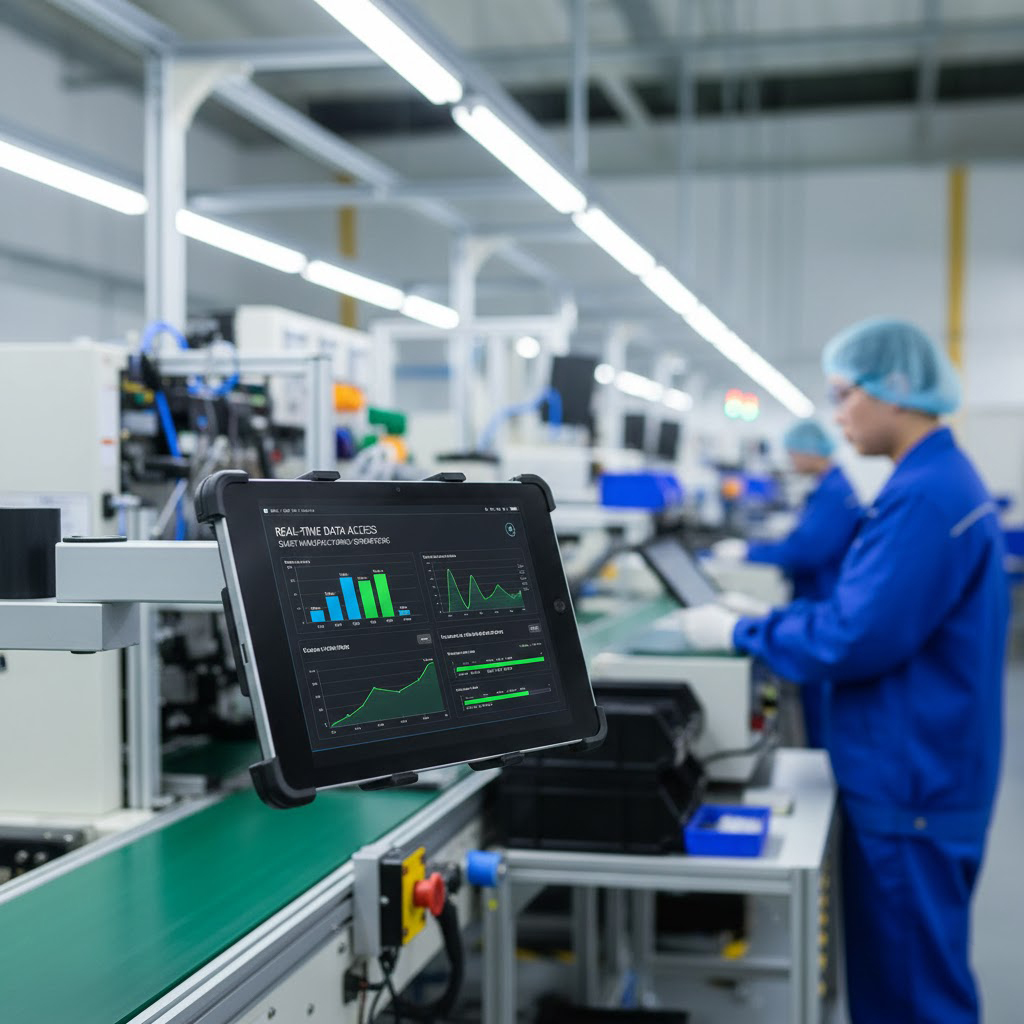
From assembly stations to quality inspection checkpoints, rugged industrial tablets have become indispensable. With durable construction, intuitive touch interfaces, and support for industrial software ecosystems, these devices allow operators to monitor processes, capture data, and coordinate tasks more efficiently than ever before.
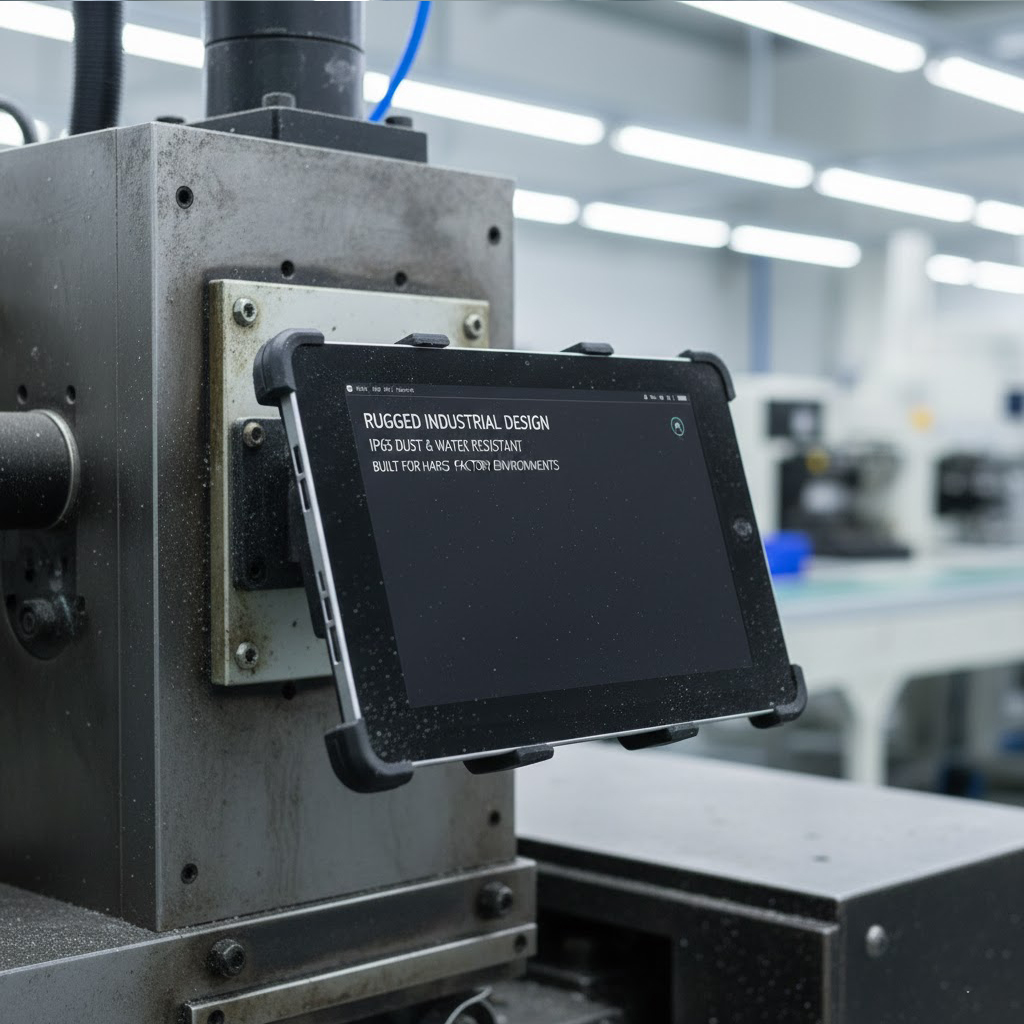
What Makes Industrial Tablets Essential for Manufacturing
The core strength of a factory automation tablet lies in its balance of durability and performance. Unlike consumer devices, industrial-grade tablets are engineered to withstand harsh industrial conditions—including extreme temperatures, dust exposure, moisture, and constant vibration. Many models feature IP65 industrial tablet protection ratings, reinforced shockproof housings, and compliance with industrial safety standards.
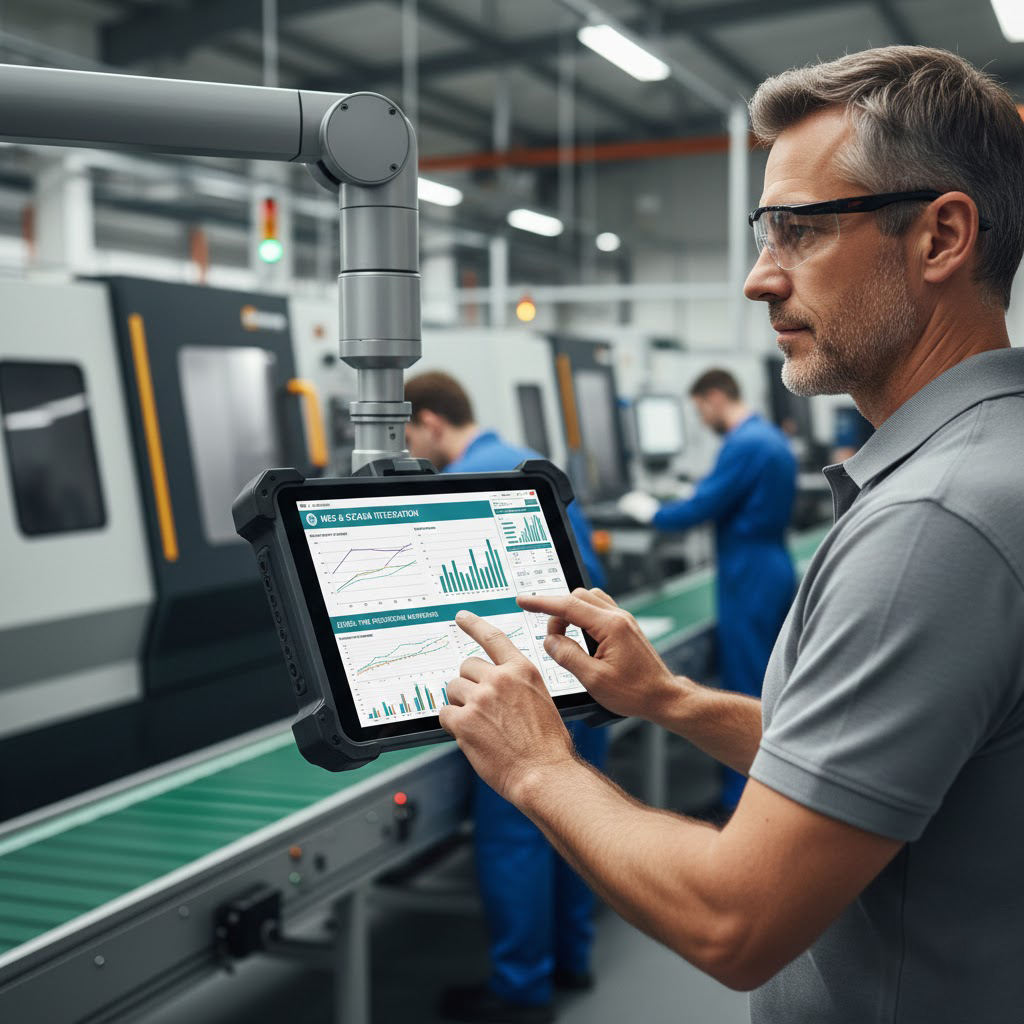
Modern industrial touch screen tablets integrate seamlessly with MES platforms, SCADA systems, and enterprise management software. This enables operators to access live production metrics, machine data, and documentation directly at the point of operation. Many industrial tablet PC units also support essential peripherals such as barcode scanners, RFID modules, and serial interfaces for equipment communication. These capabilities reduce dependency on stationary terminals while streamlining workflows across the shop floor.
Real-World Application: Optimizing the Production Line
Consider a mid-sized factory upgrading its assembly operations. Previously, supervisors relied on printed work orders and static display screens to monitor progress. This often resulted in delays and miscommunication. After deploying industrial tablets for manufacturing, teams gained live access to dashboards showing machine performance, order status, and inspection updates.
Technicians can instantly record test results using a ruggedized tablet for manufacturing, while engineers adjust machine parameters remotely. A industrial tablet with RS232 RS485 connectivity allows direct communication with legacy machinery, replacing manual adjustments and reducing unexpected downtime. This demonstrates how an industrial HMI tablet bridges operational gaps between digital systems and physical equipment.
Enhancing Maintenance and Safety Operations
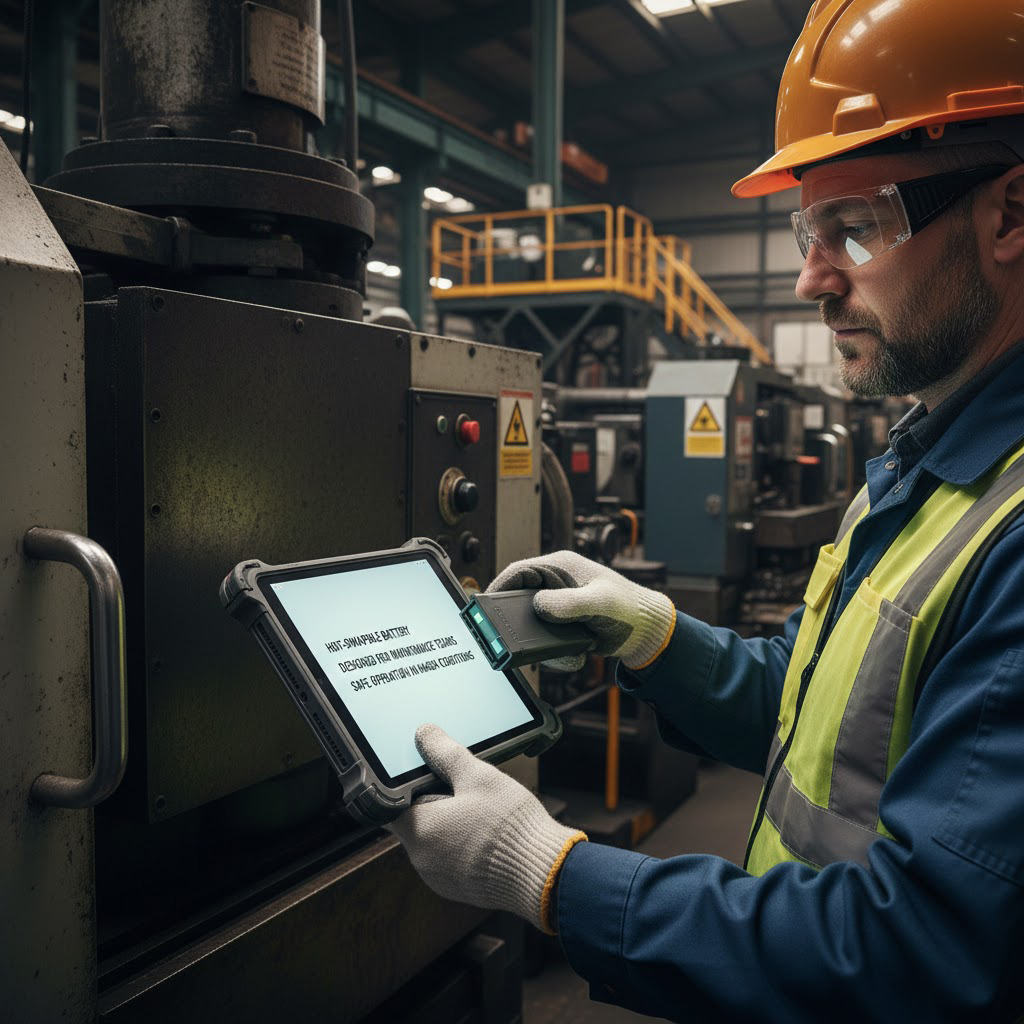
Maintenance teams benefit greatly from industrial tablets with hot-swappable batteries, allowing nonstop device use during inspections and repairs—even in areas with limited power. With vibration-proof industrial tablets, technicians can safely operate devices near heavy machinery without the risk of equipment failure.
Safety operations also become more reliable through SCADA tablets, which deliver instant alerts when sensors detect abnormalities. For hazardous zones, ATEX-compliant industrial tablets ensure safe operation without compromising performance. When used for temperature monitoring, these devices help keep sensitive processes within ideal parameters, minimizing waste and improving consistency.
Streamlining Logistics and Inventory Management
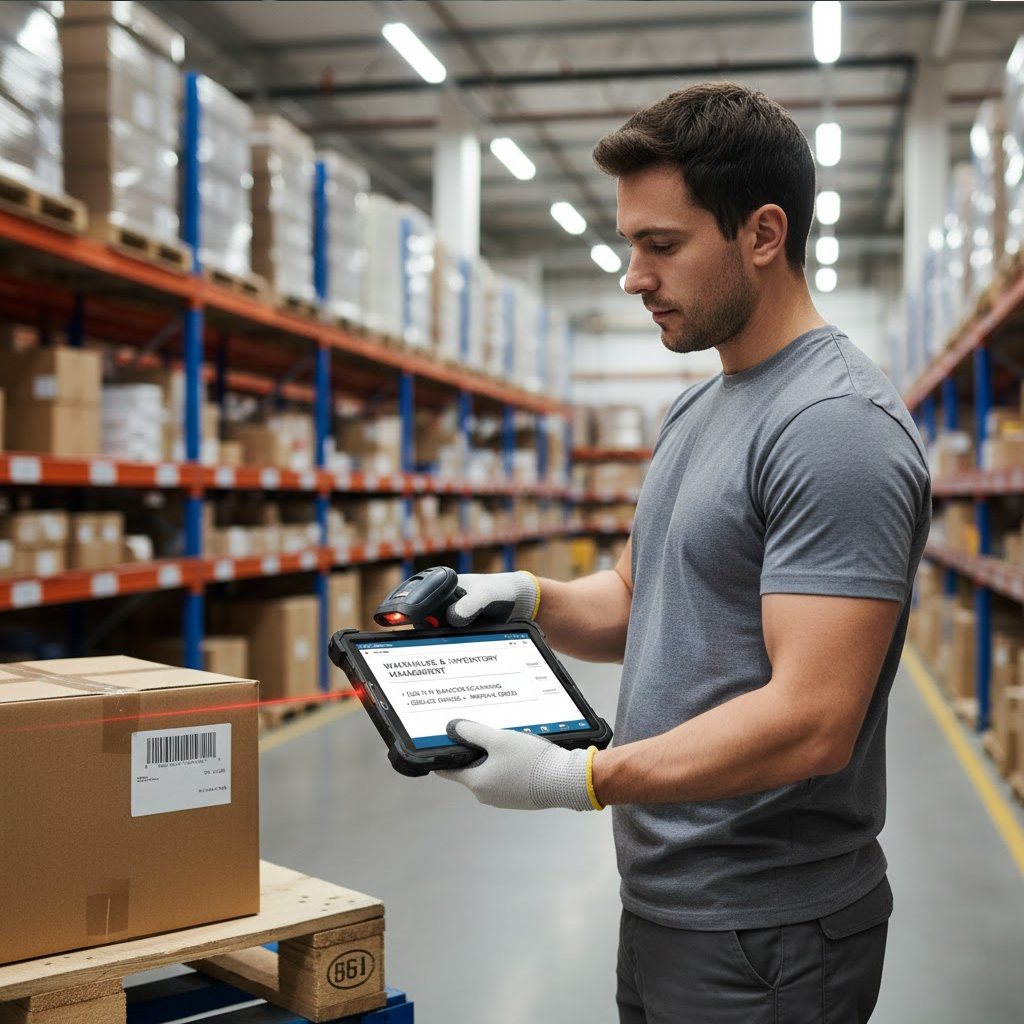
Warehousing environments increasingly rely on rugged tablets for warehouse operations to support tasks like inventory scanning, stock verification, and order tracking. With built-in industrial tablet with barcode scanner capabilities, workers can update stock data instantly, reducing errors and speeding up workflow.
In logistics, edge computing industrial tablets allow local data processing, enabling faster decision-making and smoother coordination across distribution networks. Customizable OEM industrial panel tablets also allow integration with automated warehouse systems, adapting to unique workflows across storage and shipping environments.
Comparing Industrial Tablets with Traditional Solutions
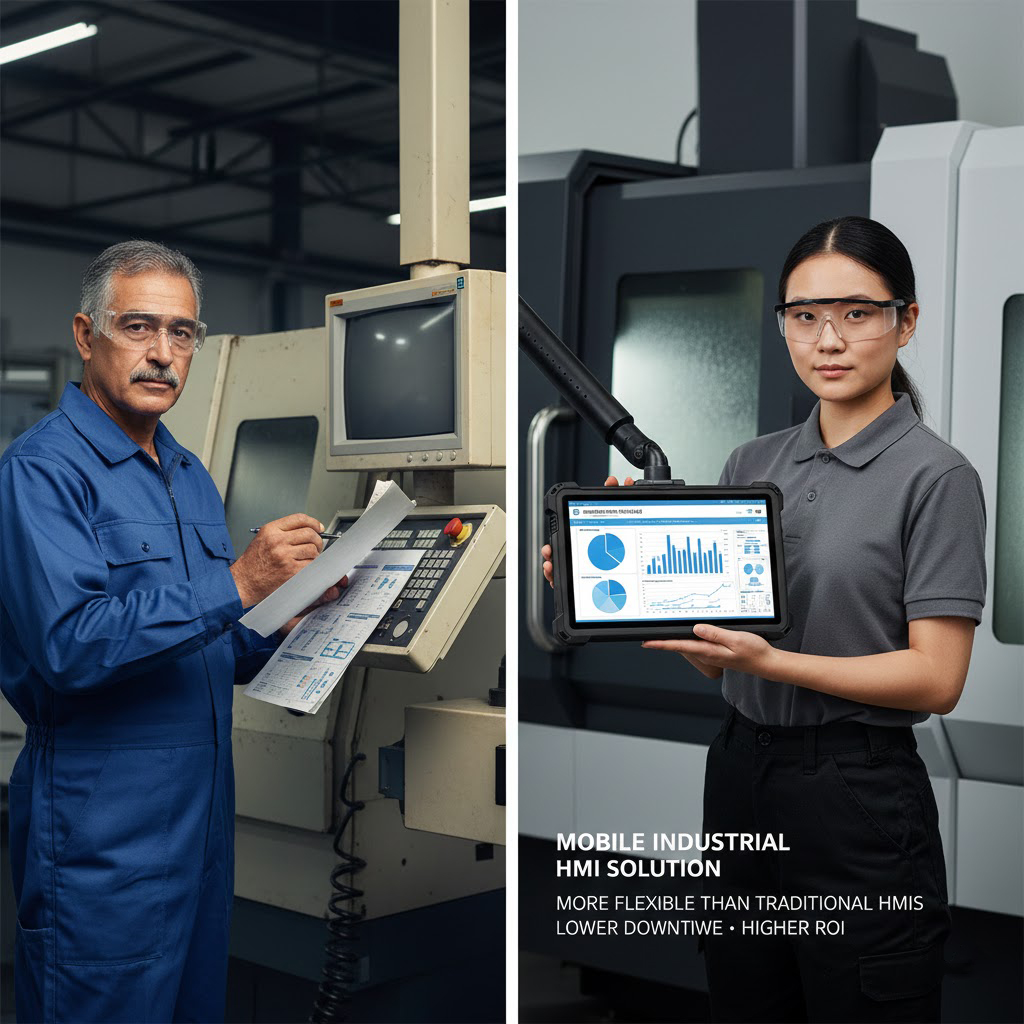
Adopting industrial Android HMI tablets provides significant advantages over fixed industrial PCs or paper-based systems. Unlike stationary computers, industrial tablets offer mobility, real-time connectivity, and rugged protection suitable for harsh environments. Compared to conventional HMI panels, industrial-grade Android tablets offer modular connectivity, flexible installation, and easier relocation as production layouts evolve.
Despite higher upfront costs, IP65-rated industrial tablets reduce long-term expenses by minimizing downtime, improving workflow visibility, and reducing manual errors. Their compatibility with existing enterprise systems also allows scalable deployment across multiple production sites.
Installation and Operational Best Practices
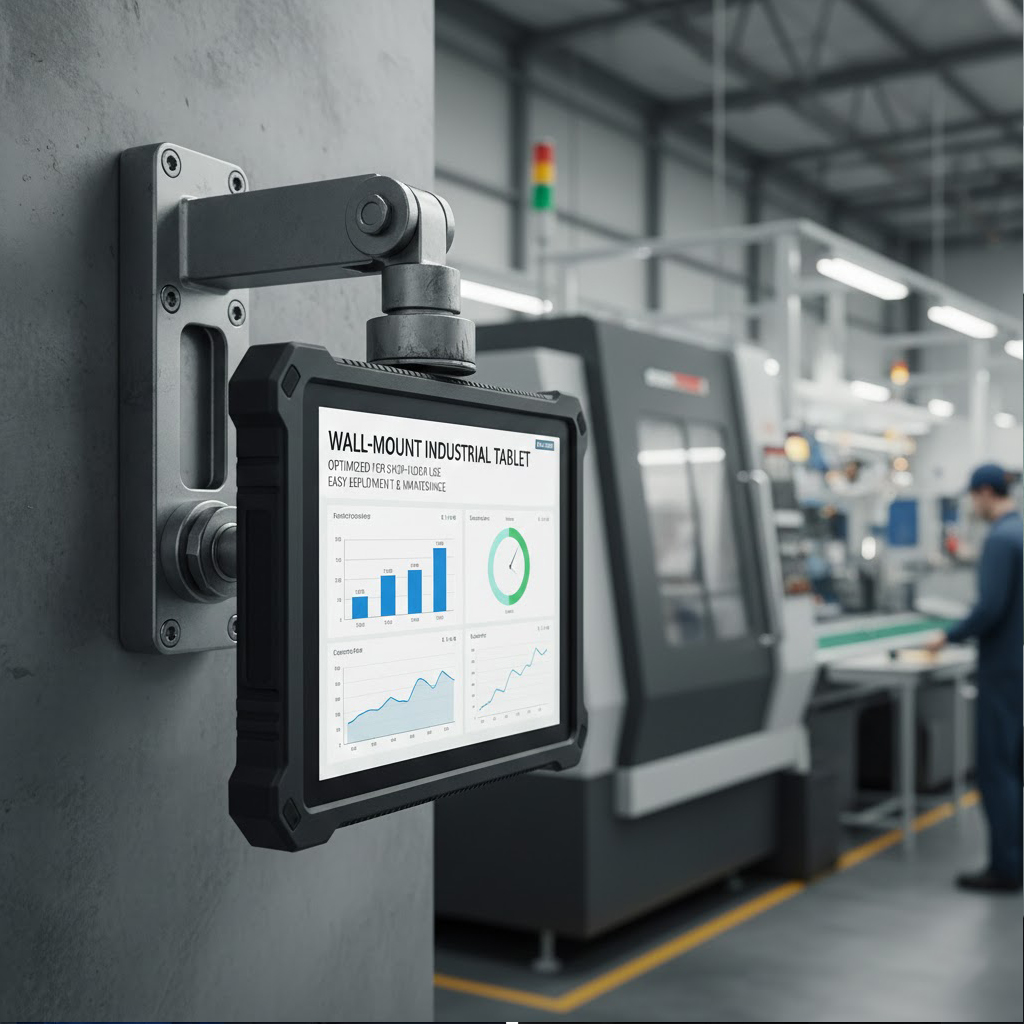
To maximize the advantages of industrial touchscreen displays for factories, proper installation and onboarding are essential. Mounting tablets with the appropriate industrial wall mount brackets ensures usability and protects devices from accidental damage. Integrating them with MES, ERP, and SCADA platforms enhances traceability and efficiency.
Routine maintenance—such as firmware updates and cleaning dust-prone areas—extends device service life. Using industrial maintenance tablets for diagnostics allows early detection of system issues, while staff training ensures consistent and effective adoption of shop-floor automation tablets across teams.
Future Outlook: Smart Manufacturing and Industry 4.0
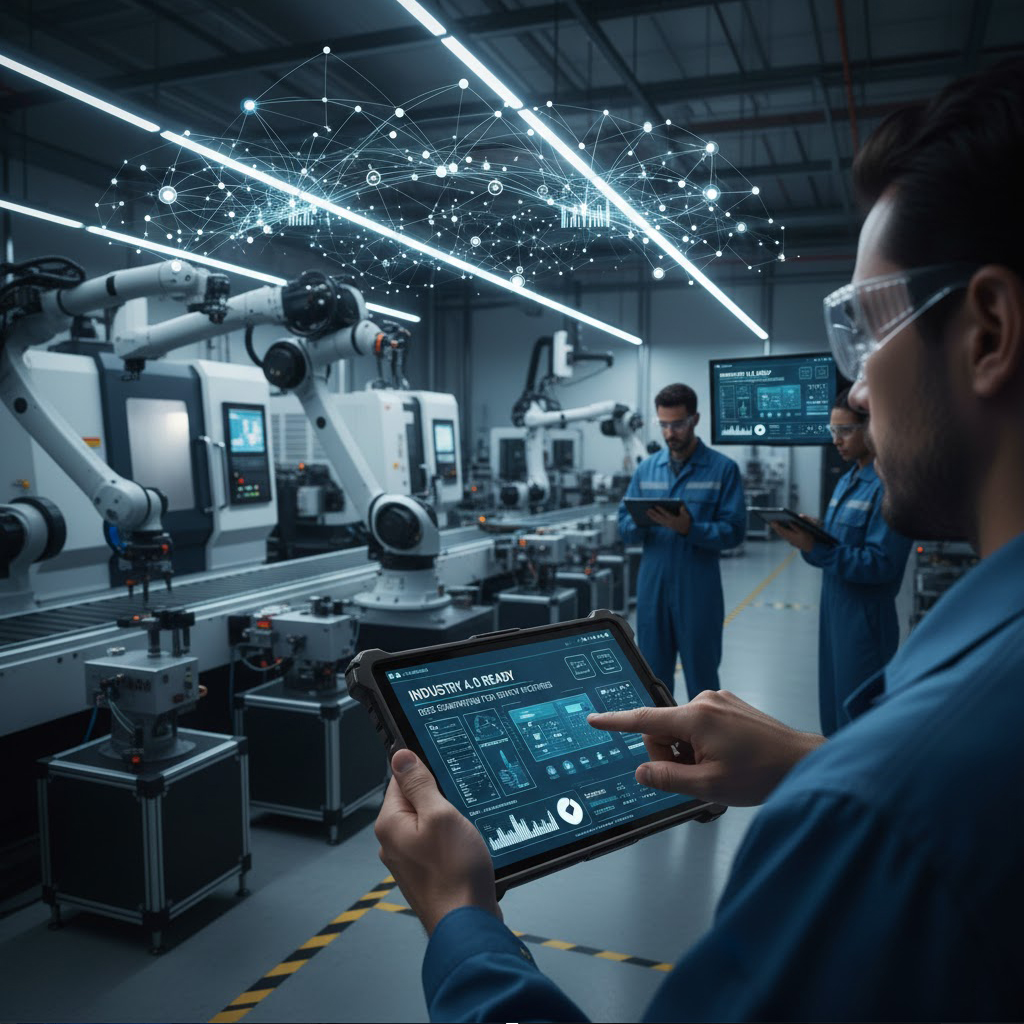
As manufacturing moves toward more intelligent and interconnected environments, demand for edge computing tablets for smart factories continues to grow. These devices facilitate predictive maintenance, real-time analytics, and adaptive process control. With technologies like AI-driven monitoring, IoT-enabled automation, and cloud-based dashboards, industrial Android tablets will further enhance operational efficiency.
Sustainability efforts also benefit from digital tools—optimized scheduling, reduced waste, and energy monitoring can all be supported with industrial tablet solutions.
Maximizing Value Across Industrial Applications
From assembly lines and quality control to warehouse operations and field maintenance, manufacturing HMI tablets offer a unified and resilient platform to tackle modern industrial challenges. Their durability, connectivity, and data capabilities empower factories to operate with greater precision, transparency, and speed.
By integrating industrial tablets for factory floors, manufacturers can establish a digital foundation that enhances productivity and lays the groundwork for Industry 4.0 transformation—ensuring long-term competitiveness in an increasingly automated world
 Why Hotels Are Switching to In-Room Smart Control Tablets