 86 13392660243
 hope17@cnhopestar.com
 whatsapp
Why Hotels Are Switching to In-Room Smart Control Tablets
 2025-12-12
 Hopestar
A New Standard for Connected Guest Experiences
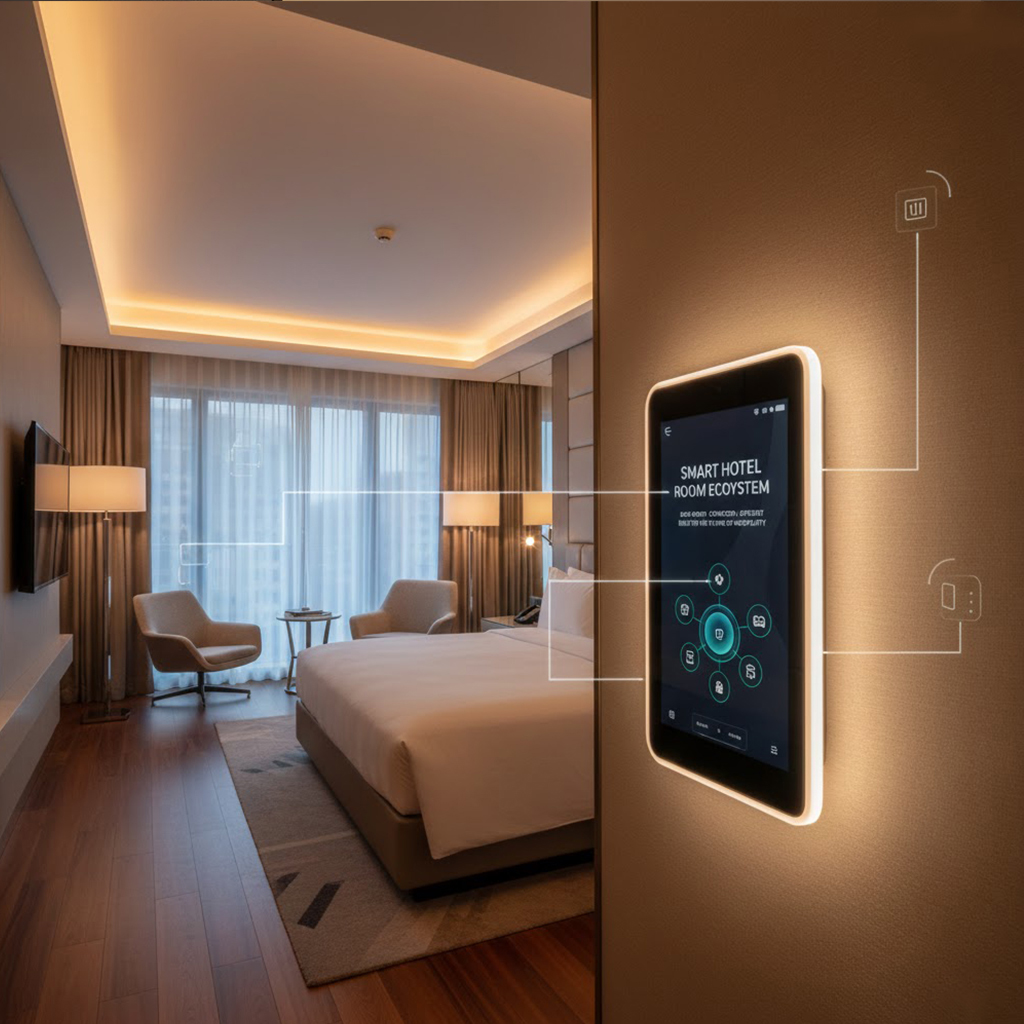
Across the global hospitality sector, travelers increasingly expect hotel rooms to match—or even exceed—the digital convenience they enjoy at home. Guests want fast access to controls, personalized comfort settings, and seamless interaction with hotel services. These expectations are driving hotels to replace traditional room controls with in-room smart control tablets, enabling more intuitive and connected environments. With an integrated hotel room control interface or smart hospitality control tablet, lighting, temperature, entertainment, and service requests can all be centralized into one modern touchscreen experience.
Why Legacy Room Controls No Longer Support Modern Guests
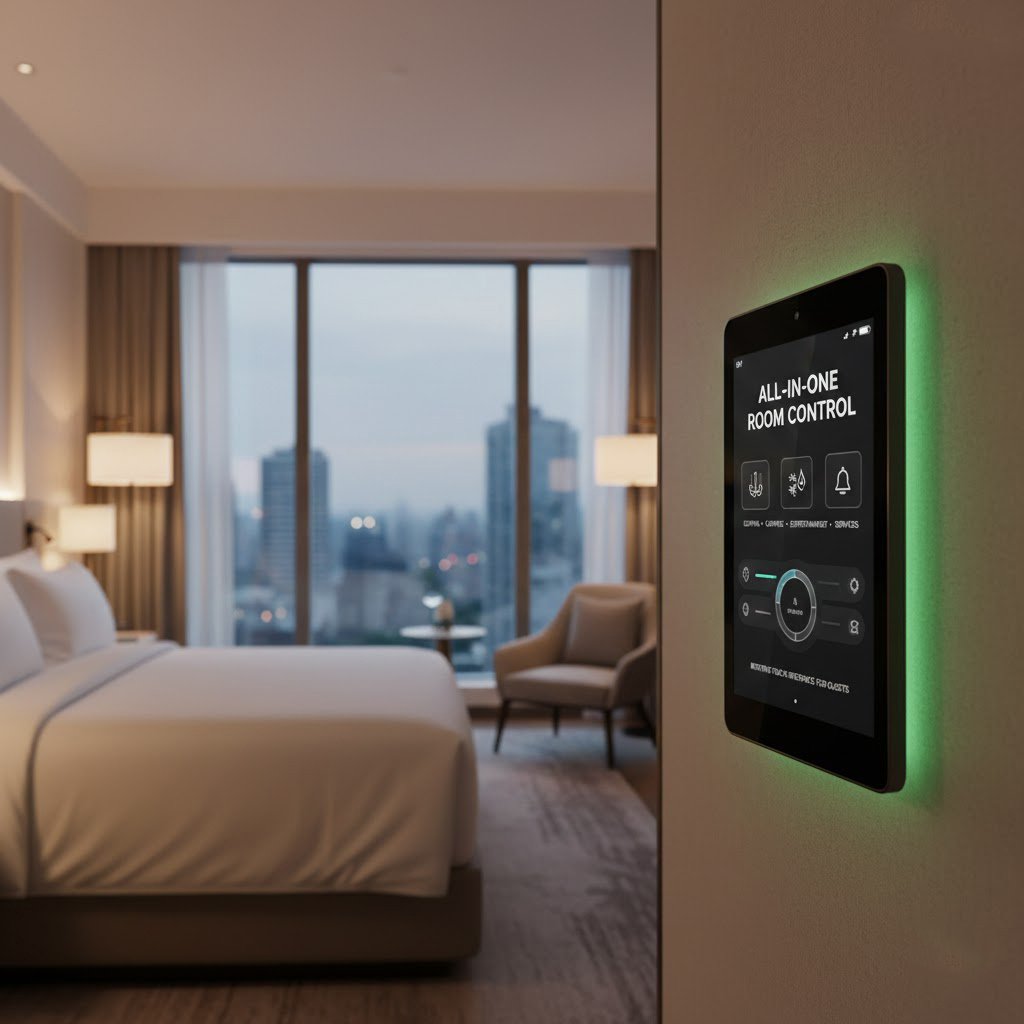
Conventional switches, scattered thermostats, and printed guest directories no longer align with the expectations of tech-savvy travelers. These outdated systems often result in confusion for guests and higher maintenance costs for hotel operators. By moving to a unified guest room automation system, hotels can streamline device management and reduce the need for physical materials. Many properties report that fragmented room controls contribute significantly to guest dissatisfaction. Installing a guest room control tablet helps eliminate these challenges by consolidating all room settings and information into one easy-to-use digital hub.
A Unified Digital Interface for Room Controls
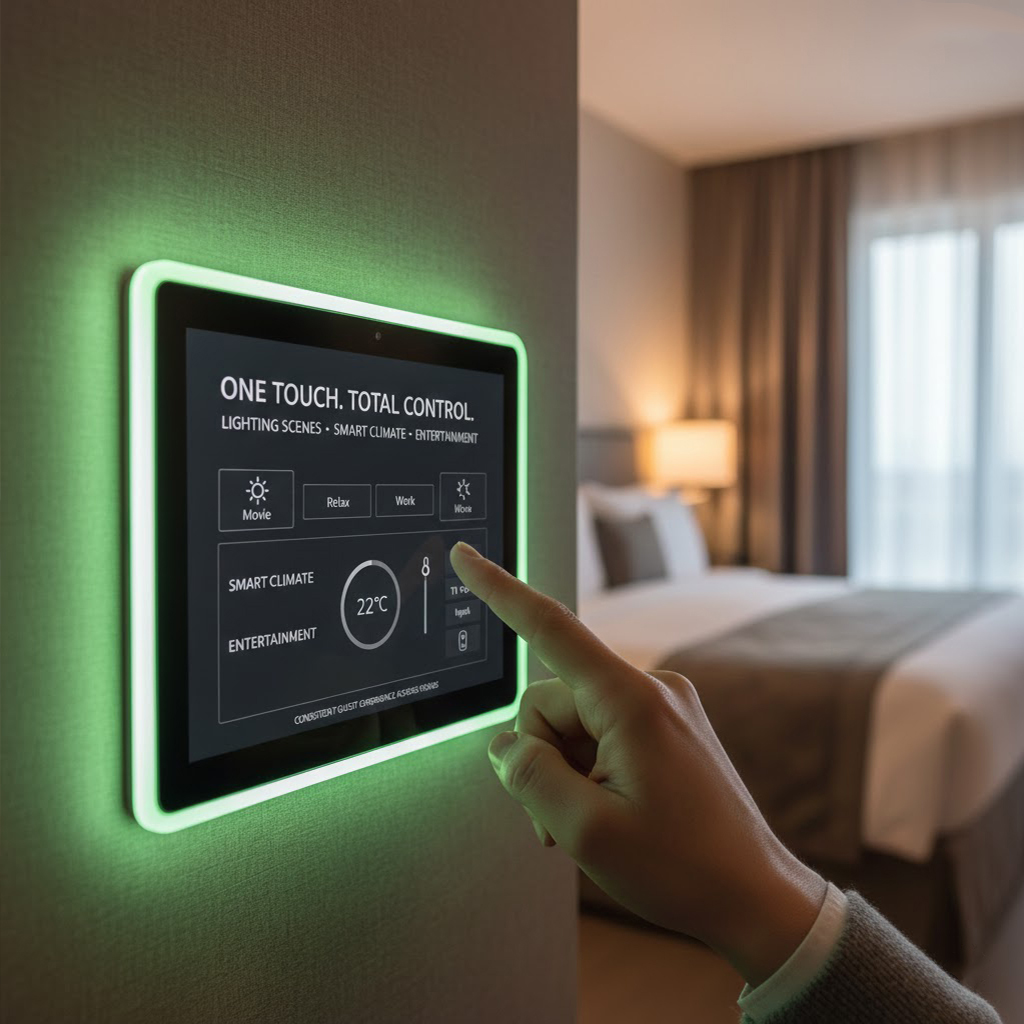
A major advantage of adopting an in-room automation device is the centralization of multiple functions within a single touchscreen. Through a hotel smart display, guests can fine-tune lighting scenes, select entertainment options, or adjust the room’s climate settings effortlessly. When connected to a hospitality IoT control system, these tablets can also synchronize with hotel management platforms, allowing staff to monitor device performance, track energy use, and ensure rooms are perfectly prepared before guest arrival. This shift toward a unified digital interface helps standardize the guest experience across all room categories.
How Tablets Simplify Guest Requests and Service Delivery
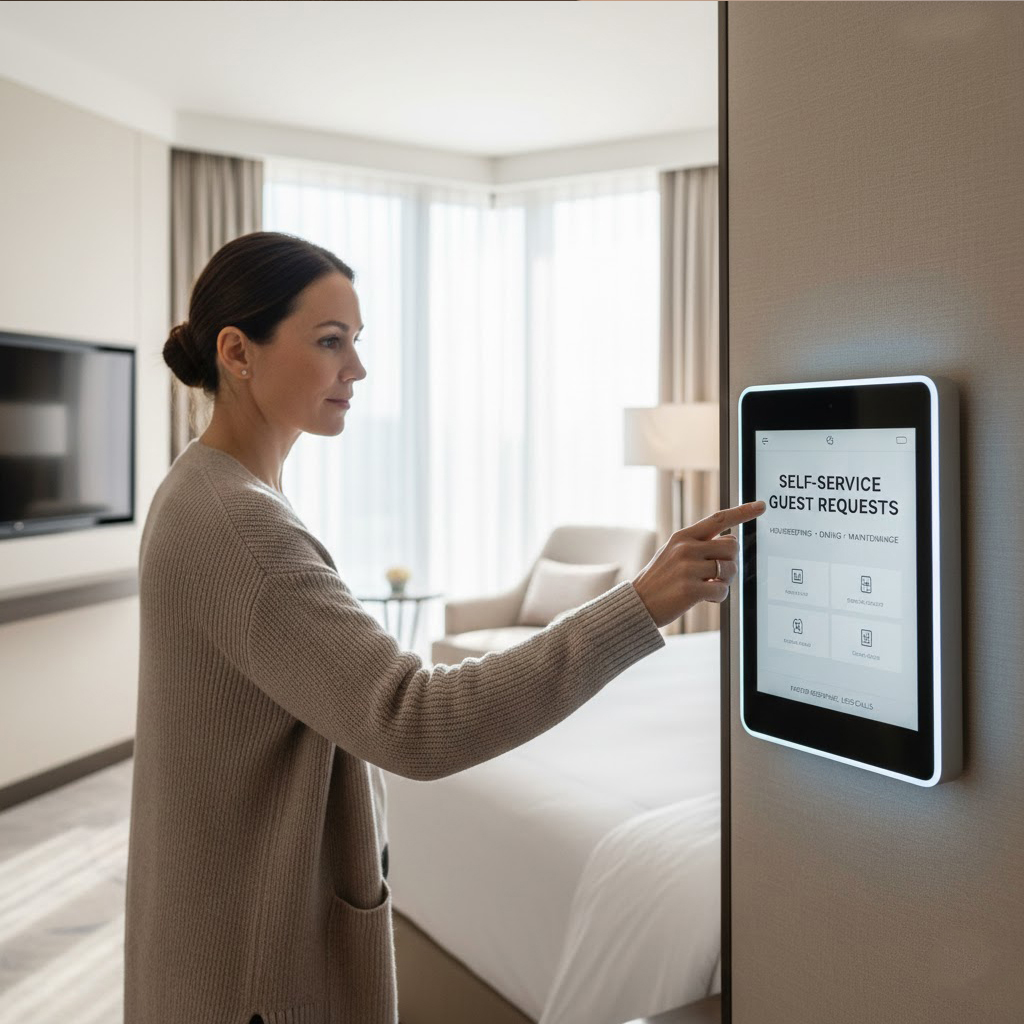
In many hotels, guest requests rely on phone calls or face-to-face communication, creating delays during busy hours. Modern properties are enhancing efficiency by incorporating hotel in-room automation solution features into tablets. A guest room smart control interface allows visitors to request amenities, housekeeping, or maintenance services instantly—without needing to call the front desk. With a hotel guest request tablet, staff can prioritize incoming tasks and automate routing to the correct department. In-room dining processes also benefit from an interactive dining order tablet, making orders more accurate and creating opportunities for upselling through visual menus.
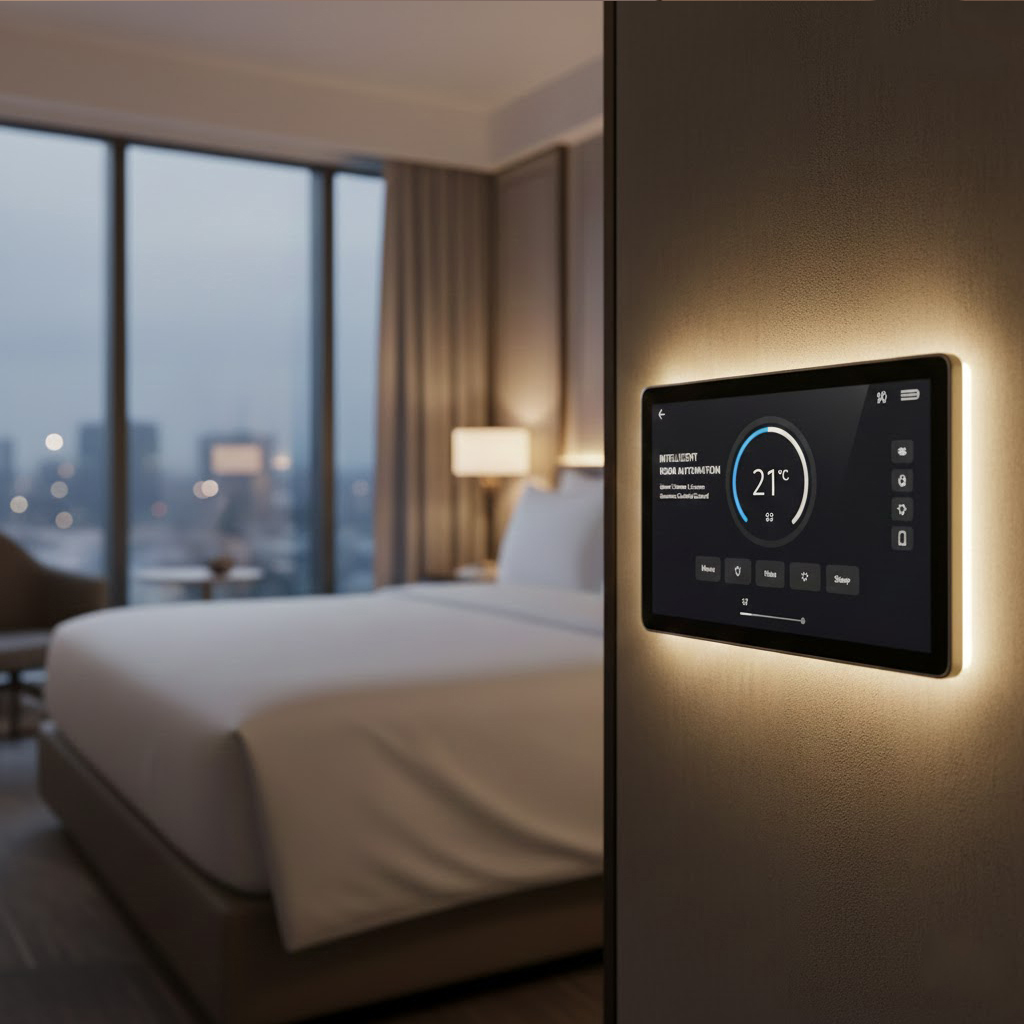
Enhancing Guest Comfort Through Intelligent Environmental Controls
Comfort is a defining factor in guest satisfaction. Hotels increasingly use tablet-based systems to provide intuitive control of room conditions. For lighting management, a tablet for lighting control in hotels enables guests to choose preset modes for reading, relaxation, or work. Climate control becomes more intuitive with a smart thermostat tablet for hotels, allowing precise temperature adjustments and automated scheduling. Many hotels pair these capabilities with sustainability initiatives using a hotel energy-saving control tablet to optimize consumption when rooms are vacant. These tools help create tailored comfort while supporting long-term energy efficiency.
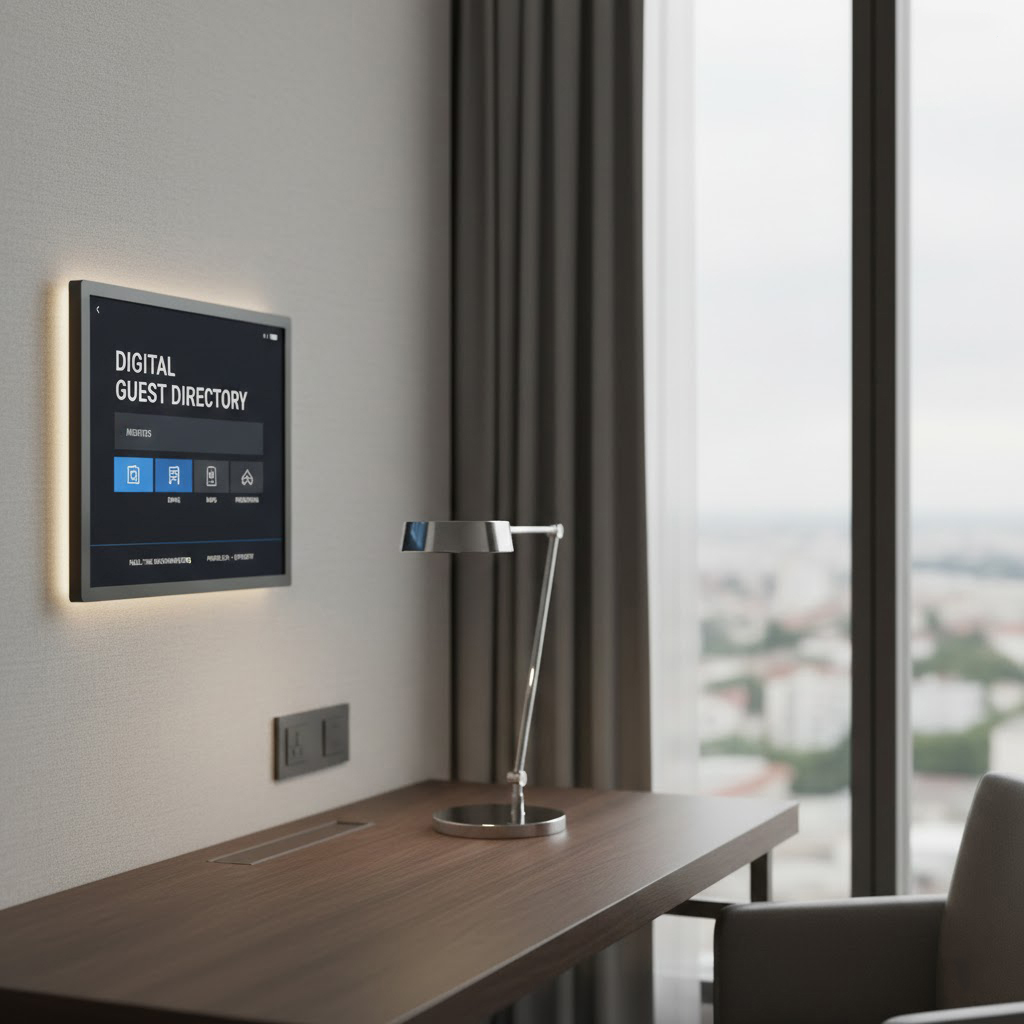
Replacing Paper Materials With a Digital Guest Information System
Printed directories and brochures quickly become outdated and require constant replacement. Hotels now rely on a digital guest directory tablet that displays real-time updates—whether for facility hours, maps, local attractions, or property announcements. With an interface similar to a tablet-based guest information system, guests can navigate the hotel more easily. Properties with extensive amenities use an interactive hotel room display to reduce reliance on front desk assistance and offer a cleaner, more modern in-room environment.
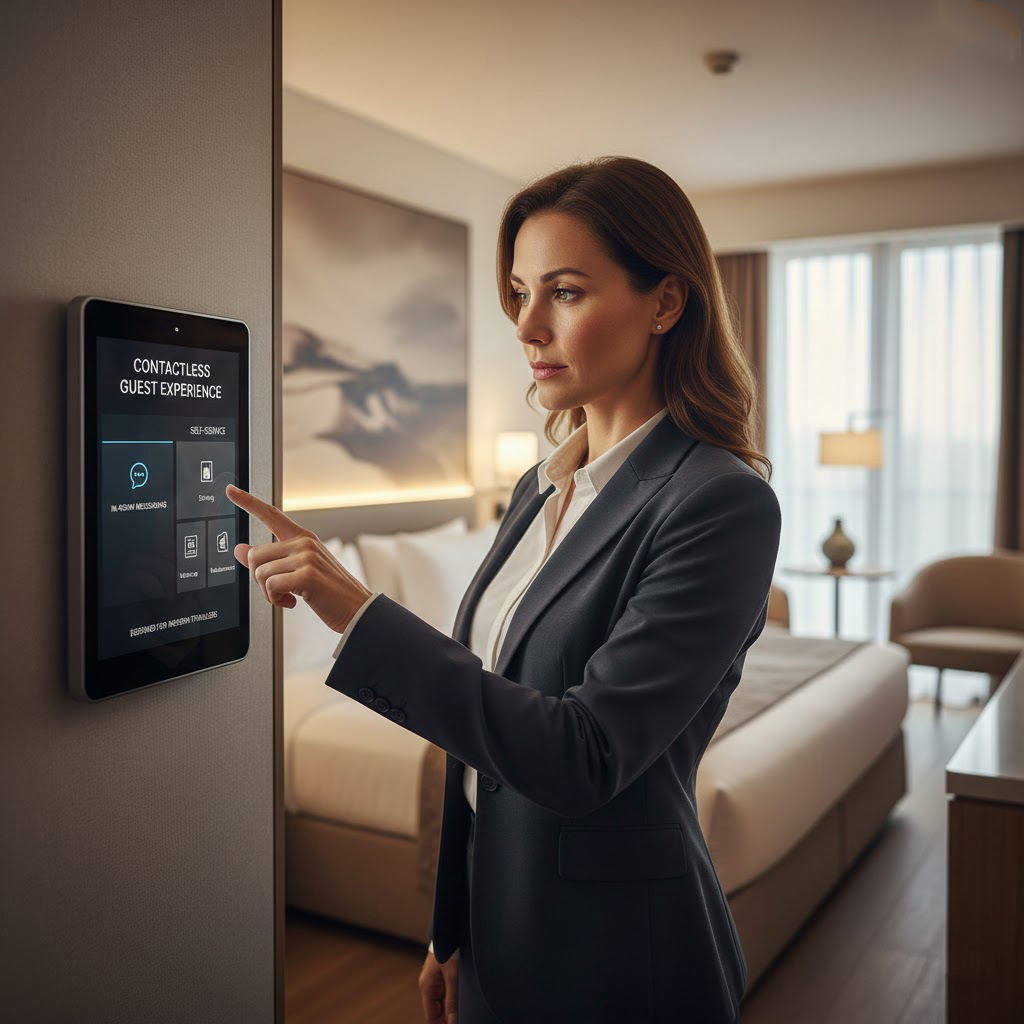
Providing Contactless, Hygienic, and Modern Guest Interactions
Today’s travelers appreciate contactless options that reduce unnecessary touchpoints. With a contactless hotel room technology interface, guests can check in, order room service, or access hotel services without direct physical contact. A hotel self-service room tablet offers independent access to common functions, particularly appealing to business travelers and long-term guests. Additionally, a hotel communication tablet supports real-time messaging between guests and staff, enhancing responsiveness while reducing congestion on phone lines.
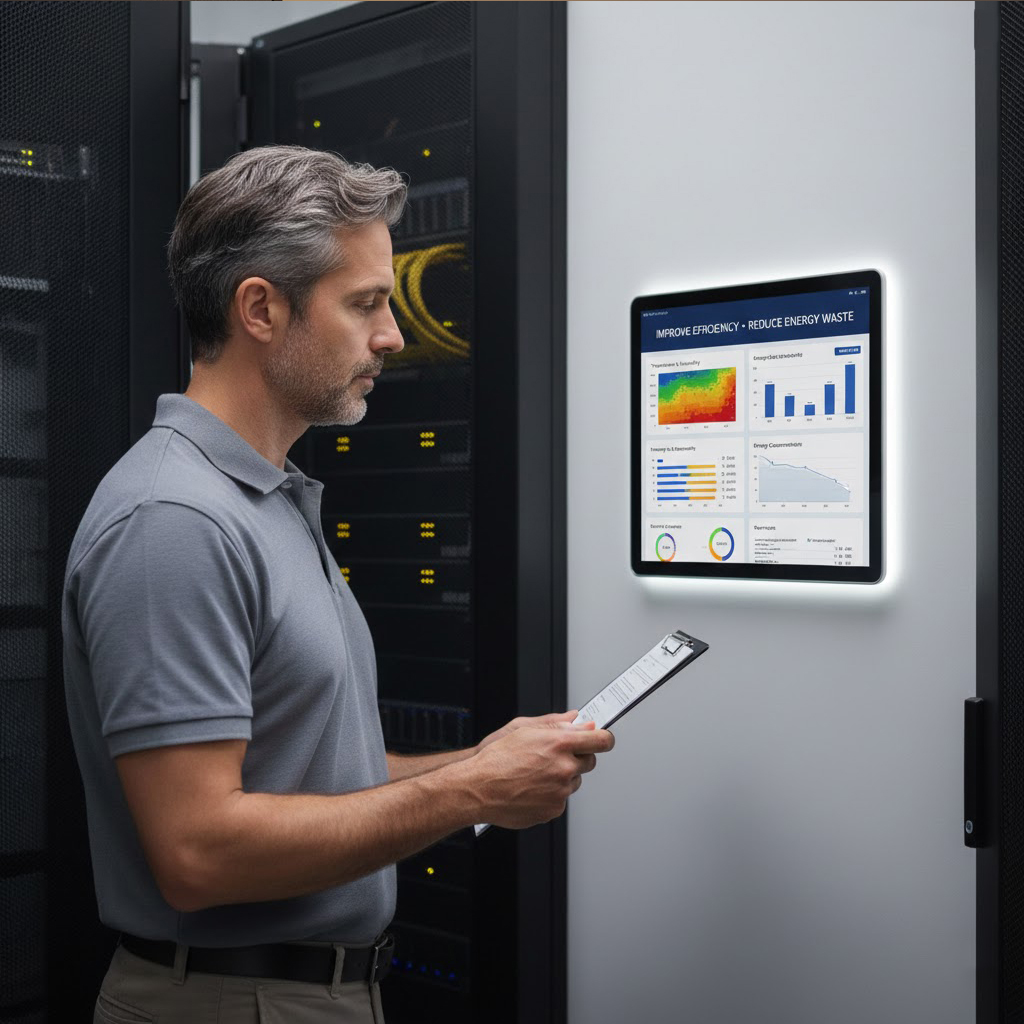
Supporting Hotel Operations With Connected IoT Management
Behind the scenes, tablets allow hotels to enhance operations through an integrated IoT-enabled hotel room device ecosystem. Housekeeping teams can track room status updates using a hotel room device management tablet, while maintenance personnel receive instant notifications when something requires repair. Integration with property management systems enables automated room preparation, optimized HVAC usage, and consistent adherence to brand standards. Tools such as a hotel room automation controller help reduce energy waste and streamline routine processes across large hotel portfolios.
Increasing Guest Engagement Through Interactive Content and Room Features
Tablets also enable hotels to strengthen guest interaction with on-site amenities. A touch control tablet for hotels allows visitors to explore entertainment libraries, review promotions, or access local insights. Families especially enjoy a hotel room entertainment tablet, which offers multimedia content without requiring personal devices. For larger properties, a tablet can function as a navigation tablet for hotel guests, guiding them to restaurants, conference areas, or recreational facilities with ease.
A Growing Role in the Future of Hospitality Technology
As digital transformation accelerates across hospitality, devices such as a smart interface for hotel amenities or hotel technology for modern travelers are becoming essential infrastructure. Hotels benefit from improved efficiency, stronger guest engagement, and lower operating costs when leveraging an integrated connected hotel room tablet system. Solutions including smart hotel room environment control support the industry’s shift toward more personalized, responsive, and data-driven guest stays.
A Natural Evolution Toward Smarter In-Room Experiences
The move toward tablet-driven room controls is no longer simply a modernization upgrade—it is swiftly becoming a standard expectation. Whether implemented as an in-room smart control tablet or part of a broader digital guest experience ecosystem, these technologies give hotels the ability to deliver clarity, convenience, and a more adaptive environment. By adopting these solutions, hotels position themselves to meet the needs of today’s travelers while preparing for a more connected future in hospitality
 Through Display Technology: CNHopeStar Shines at CES