 86 13392660243
 hope17@cnhopestar.com
 whatsapp
Transforming Bedside Care with Integrated Medical Monitoring Tablets
 2026-01-16
 cnhopestar
In modern healthcare systems, hospitals are under constant pressure to improve patient outcomes while managing limited clinical resources. Traditional bedside monitoring methods—manual vital checks, paper documentation, and disconnected systems—often slow response times and increase the risk of human error. By introducing Medical Monitoring Tablets at the bedside, hospitals can centralize patient data, vital signs, and care instructions into a single Patient Room Tablet, giving clinical teams immediate access to accurate, real-time information and enabling more responsive patient care.
Hospital Environment Requiring Real-Time Visibility
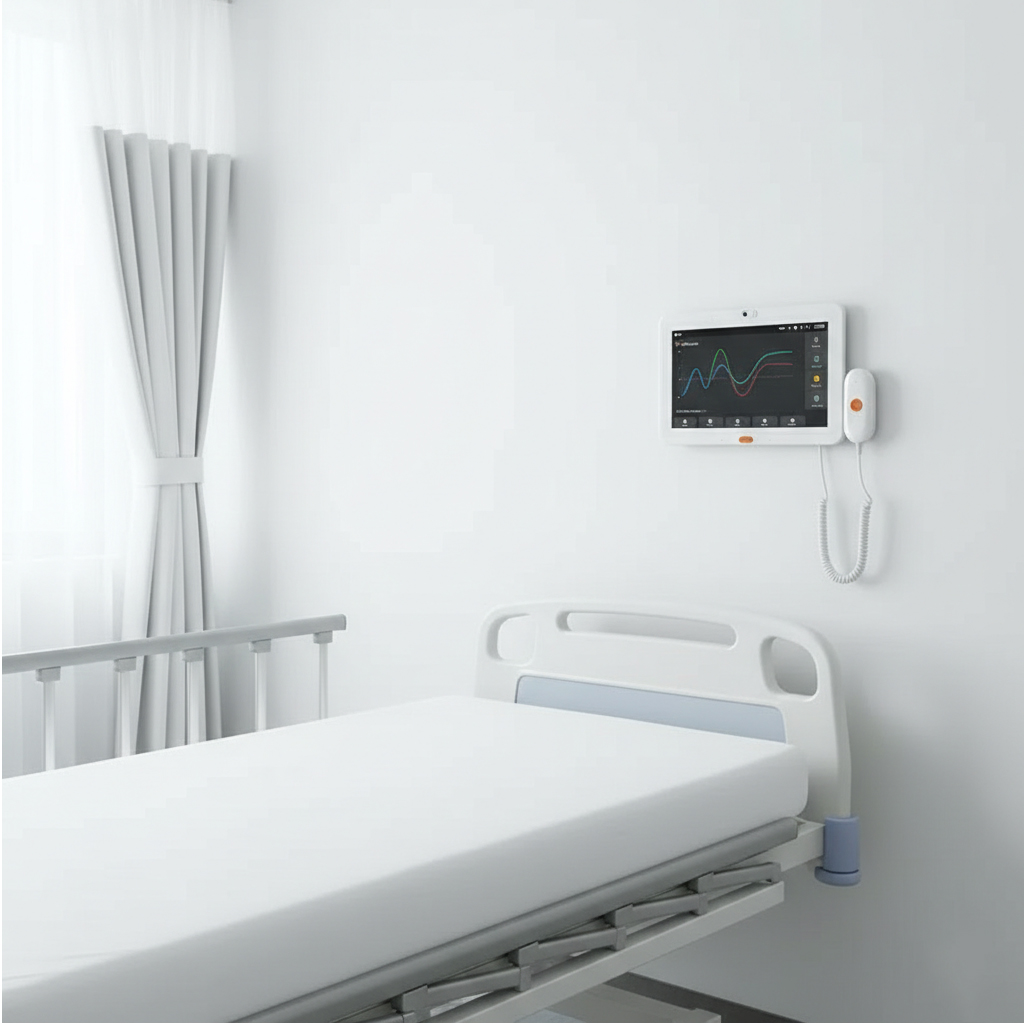
The project took place in a large metropolitan hospital in Southeast Asia, operating over 600 beds across intensive care, general wards, and post-surgical units. With a high patient turnover and complex care requirements, hospital leadership needed a reliable way to improve visibility into patient conditions while simplifying daily workflows. The objective was to deploy Hospital Room Monitoring Tablets that could support real-time observation, streamline clinical communication, and integrate seamlessly with existing electronic health record systems.
Limitations of Manual and Fragmented Monitoring Systems
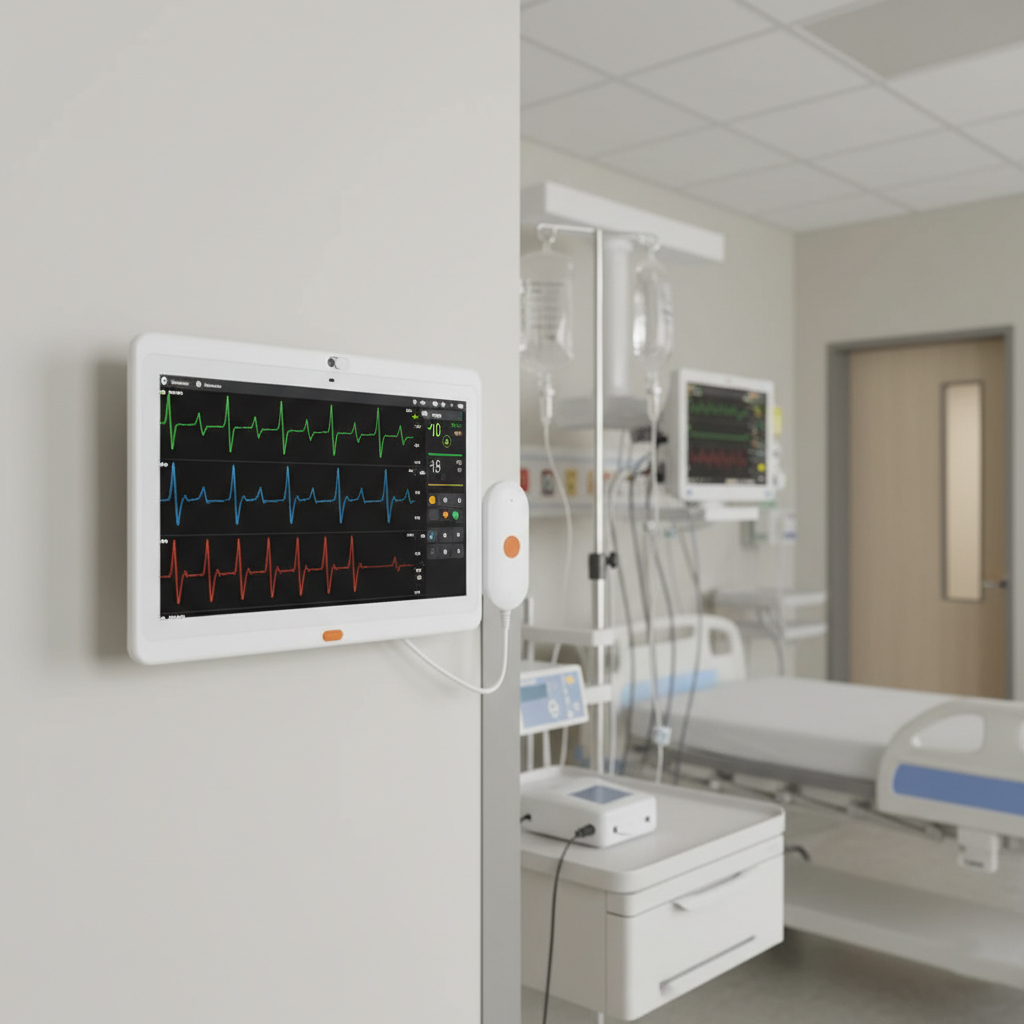
Before digital transformation, nurses recorded vital signs manually during each shift, while physicians relied on separate terminals or printed charts to assess patient status. This fragmented process delayed clinical decisions and increased the risk of transcription errors. Communication between wards and centralized monitoring teams depended heavily on phone calls or pagers, limiting situational awareness. These challenges highlighted the need for a bedside healthcare tablet solution capable of automating data capture and presenting critical information instantly at the point of care.

Implementing a Centralized Bedside Monitoring Solution
To address these challenges, the hospital deployed Patient Care Tablets at each bedside. These Health Monitoring Displays continuously presented vital signs, patient history, and care plans in real time. Fully integrated with the hospital’s EMR system and nurse call infrastructure, the tablets enabled nurses to monitor trends, set alert thresholds, and update records directly at the bedside. Physicians could remotely review patient conditions across wards, improving coordination and accelerating clinical decision-making. Role-based access controls ensured data security while supporting efficient collaboration.
Daily Clinical Use in Hospital Wards
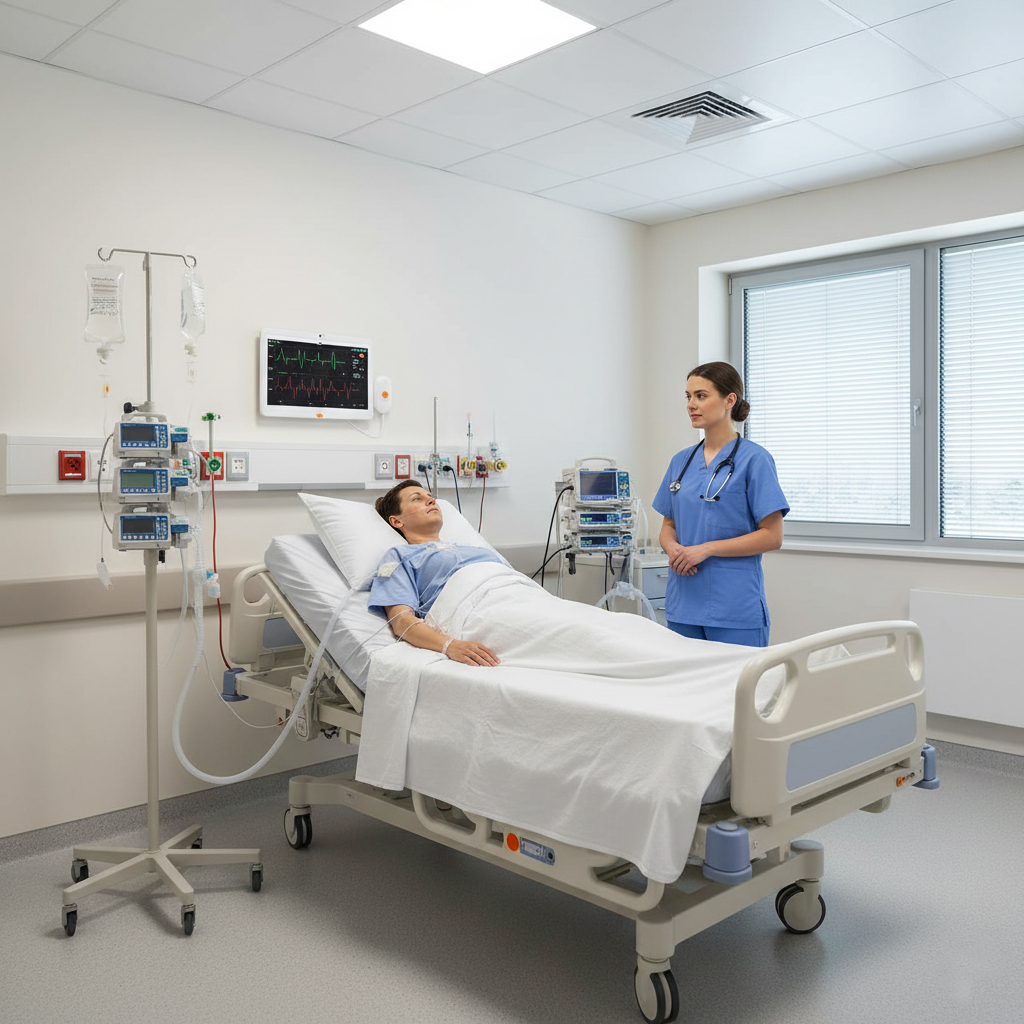
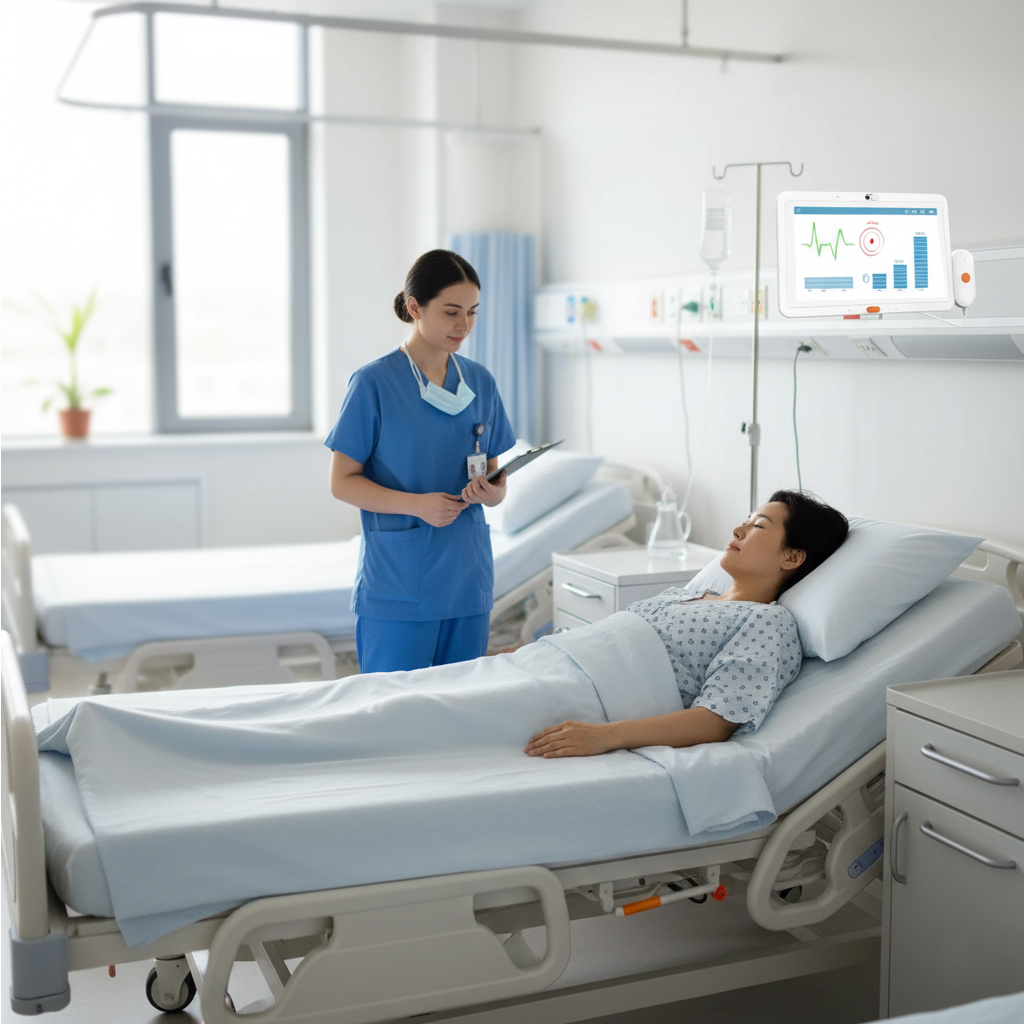
During routine operations, nurses use Clinical Observation Tablets to document vital signs, manage medication schedules, and track procedures with higher accuracy and less duplication. Automated alerts for abnormal readings—such as blood pressure or heart rate—prompt immediate action. Doctors access patient trends through Electronic Medical Record Tablets during rounds, while multidisciplinary teams collaborate using shared dashboards. As a result, the Vital Signs Monitoring Tablet becomes a core tool for improving patient safety and ward efficiency.
Measured Improvements in Workflow and Response Time
Following implementation, the hospital reported measurable performance gains. Nursing documentation time decreased by 25%, while response times to critical alerts improved by 40%. Transcription errors were significantly reduced, contributing to higher clinical accuracy. Central monitoring teams gained the ability to oversee multiple wards simultaneously through Smart Hospital Tablet dashboards, improving resource allocation and prioritization. Staff feedback also indicated reduced workload stress and smoother daily operations.
Feedback from Clinical and IT Teams
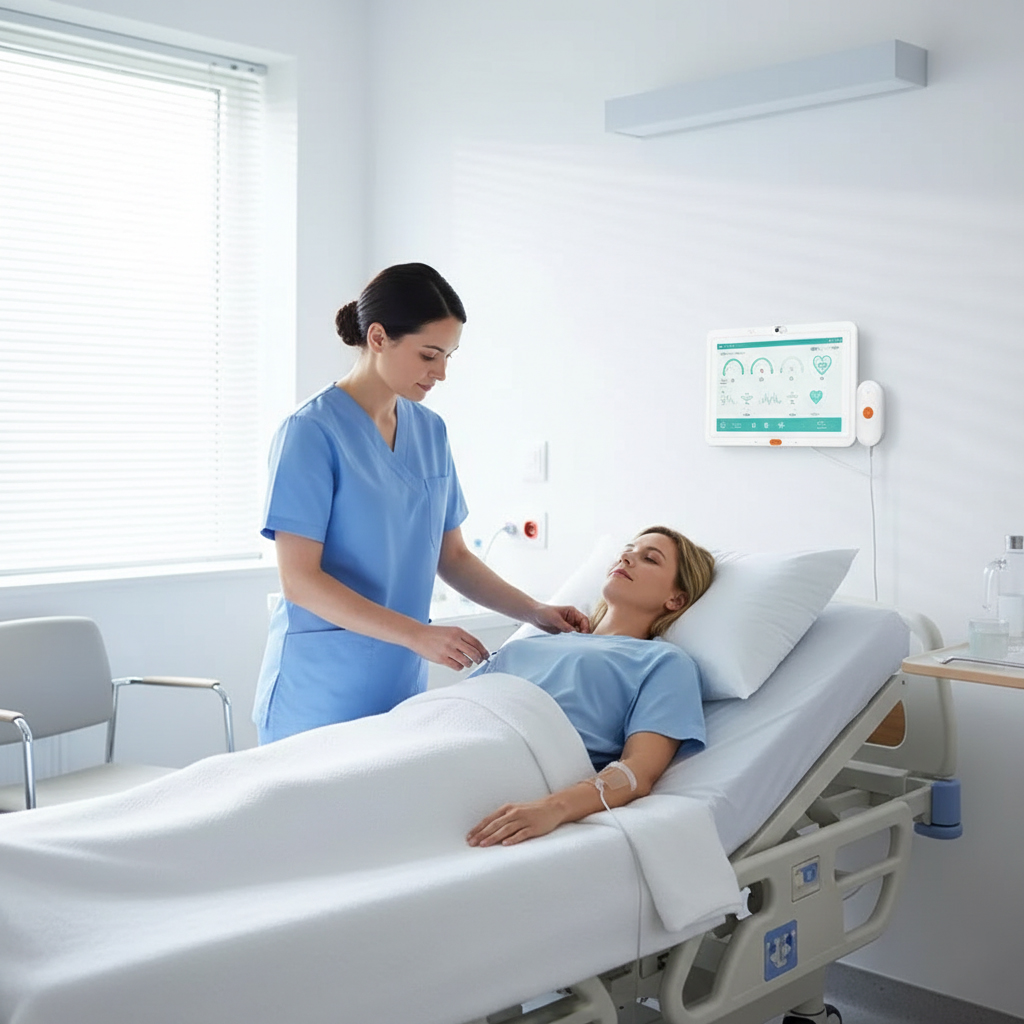
“Our bedside tablets have fundamentally changed how we manage patient care,” noted the head nurse. “We now access vital signs and update records instantly, which saves time and reduces errors.”
The hospital’s IT director added, “The integration with our EMR was seamless. Real-time access to patient data has strengthened clinical decision-making across departments and improved overall system responsiveness.”
Long-Term Value for Healthcare Facilities
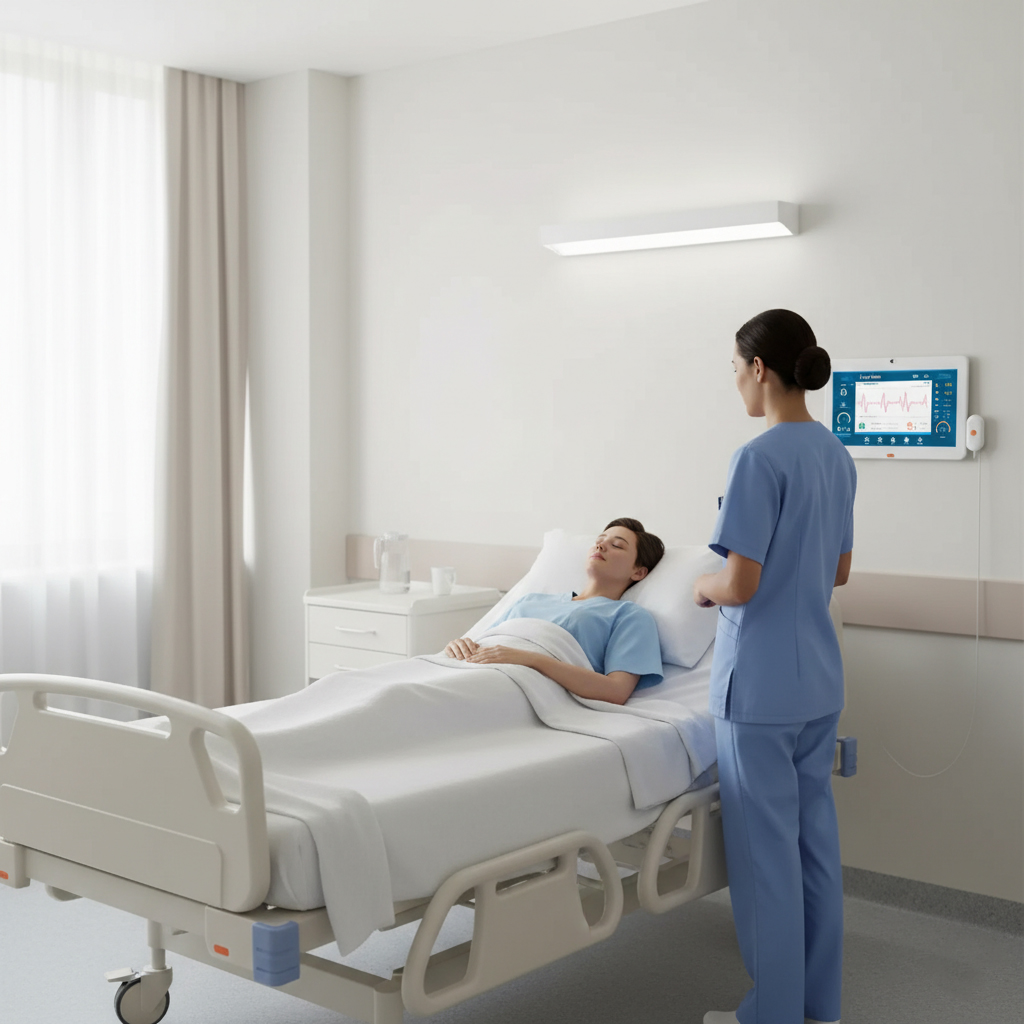
This case demonstrates how Medical Monitoring Tablets can play a critical role in modern hospital environments. By consolidating patient information, automating documentation, and enabling real-time collaboration, bedside tablets help hospitals reduce administrative burden and improve patient safety. For healthcare administrators and digital health decision-makers, investing in Patient Room Tablets and Health Monitoring Displays delivers long-term value through improved efficiency, standardized workflows, and better clinical outcomes—ensuring care teams can focus on what matters most: patient well-being.
 Redefining Luxury Hotel Rooms Through Intelligent Control Tablets