 86 13392660243
 hope17@cnhopestar.com
 whatsapp
How to Choose a Gaming Monitor for OEM: 27 inch FHD, 32 inch QHD or 4K OLED 240Hz
 2026-10-03
 cnhopestar
For a distributor moving toward its own gaming monitor brand, choosing a curved gaming monitor is rarely just a matter of finding the highest refresh rate or largest screen available. The more important question is how each model fits the product line the buyer is trying to build.
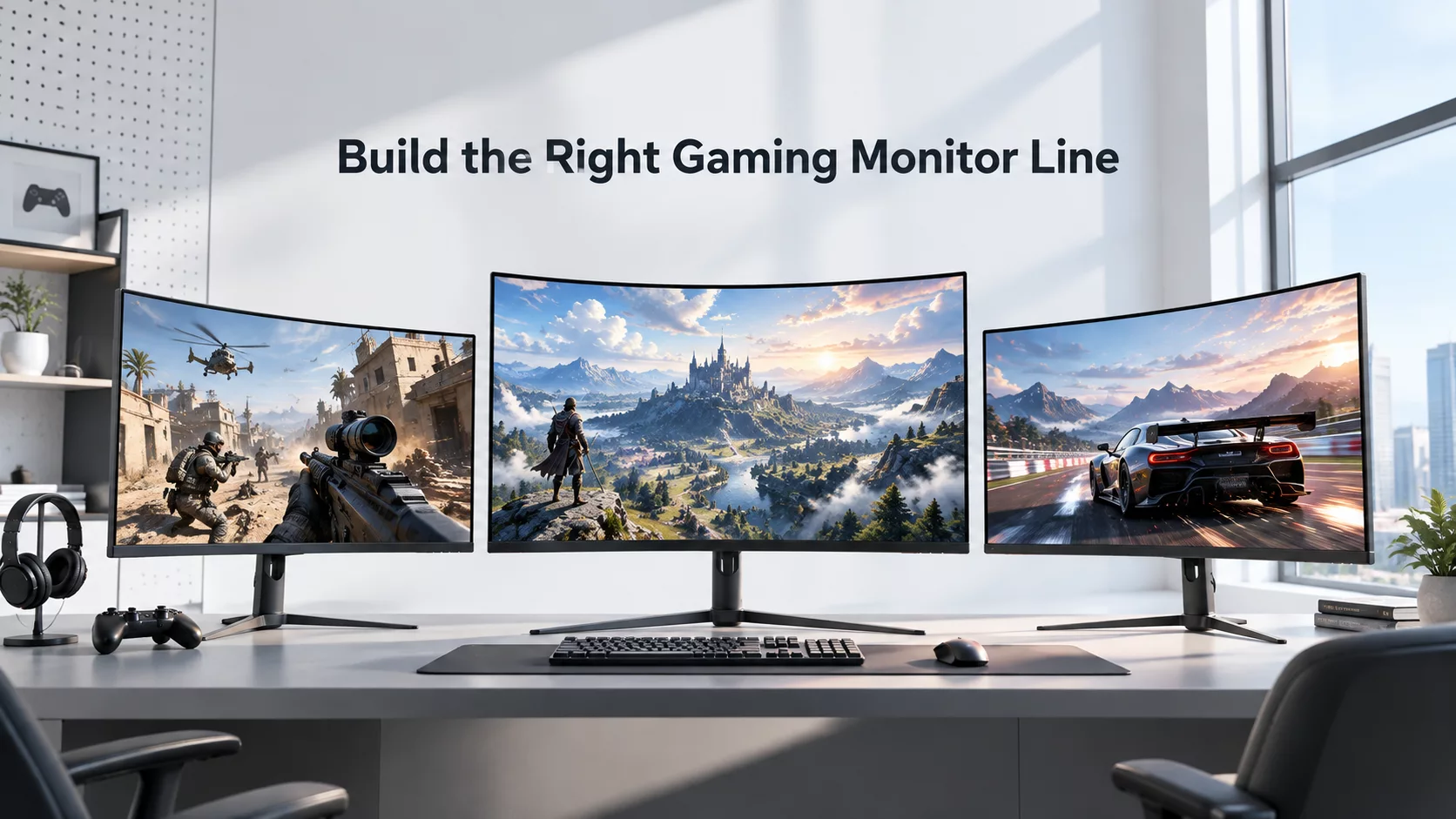
This became clear when we worked with overseas gaming display buyers with very different requirements. One U.S.-based distributor was looking for a high-performance curved gaming monitor for an OEM project but had not yet defined a specific configuration. Another premium-oriented buyer had already specified a much more demanding product direction: 4K resolution, OLED, 240Hz or higher refresh rate, G-Sync, FreeSync, and a response time below 1ms.
Rather than treating these requirements as requests for the same type of product, we approached them from a product-line perspective. We matched the less-defined requirement with suitable configurations from our current Gaming Monitor range, while treating the high-end specification as a separate development and validation direction.
The result was a clearer path from a mainstream high refresh rate gaming monitor to a more performance-oriented display, with 4K OLED 240Hz positioned as a potential premium customization direction.
From a Vague “High-Performance” Requirement to a Clear Product Line
The first buyer's requirement sounded simple: a high-performance curved gaming monitor with OEM potential. But there was not enough information to determine whether the buyer needed a premium flagship, a mainstream performance model, or a more accessible product for broader distribution.
Our first step was therefore not to push the highest specification. We looked at the buyer's likely market position and matched the requirement against the configurations available within our Gaming Monitor product range.
| Product direction | Configuration | Role in the product line | Recommendation |
| Entry / volume | 27 inch FHD 144/165Hz | Accessible high-refresh gaming model | Existing product |
| Mainstream / core | 32 inch QHD 165Hz | Performance-oriented core model | Existing product |
| Flagship / premium | 32 inch 4K OLED 240Hz | High-end differentiation | Customization / further confirmation |
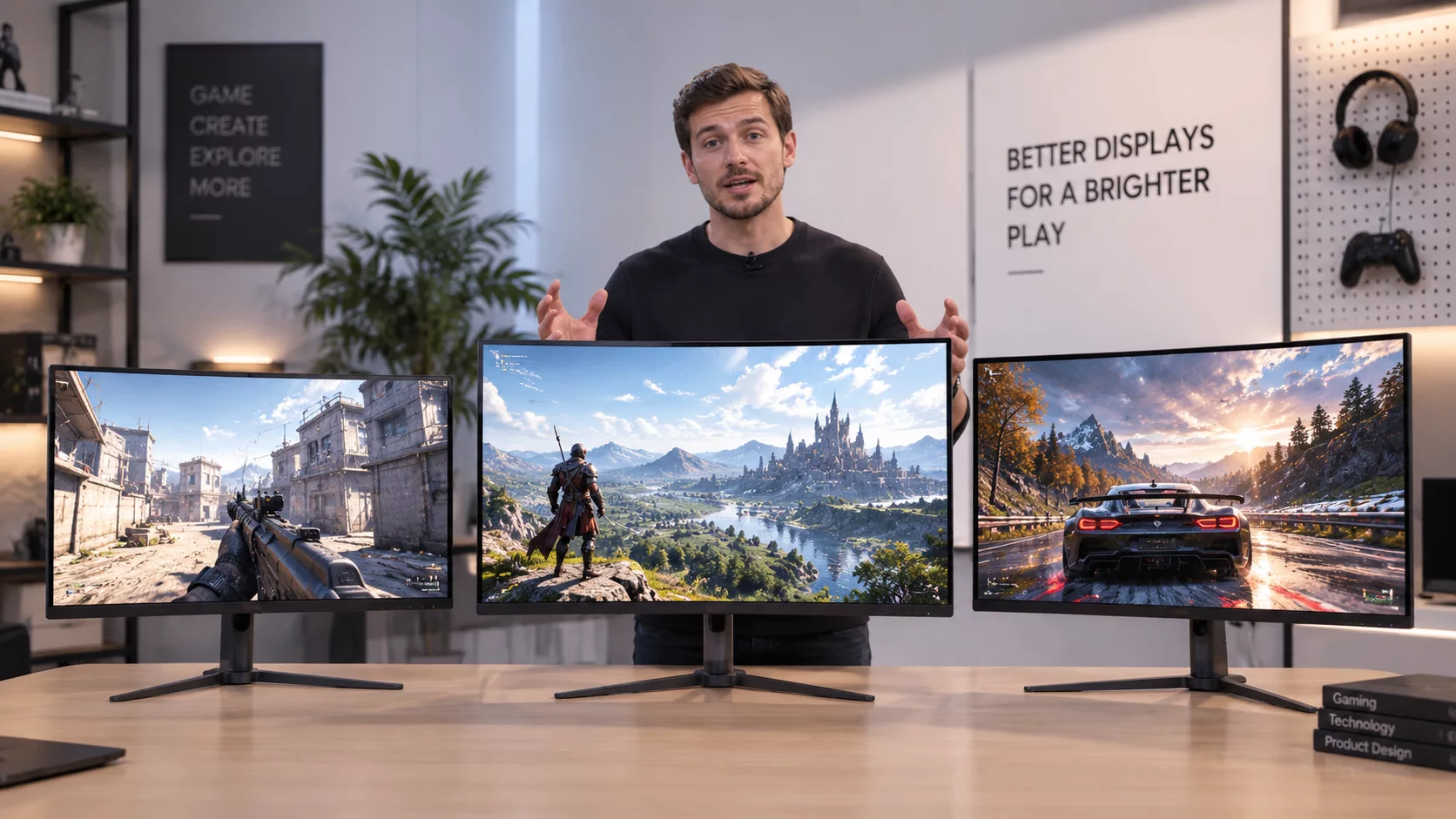
The three levels are not intended to represent a universal industry standard. They describe how we would structure the product discussion around the requirements we received and the configurations currently available to us.
That led to three practical directions.
For a distributor building a gaming monitor product line, this creates more flexibility than selecting one model in isolation. The entry model can address mainstream demand, the larger QHD configuration can serve as the core performance product, and a higher-end display can be explored when the target market and project conditions justify it.
27″ FHD 144/165Hz: A Practical Entry Model Without Overbuilding the Product
For a buyer looking for an accessible 27-inch curved gaming monitor, our 27-inch FHD gaming monitor is a practical starting point.
The current configuration combines FHD resolution with 144/165Hz refresh-rate options, 1ms response time, IPS technology, 99% sRGB coverage, and HDR300. These specifications give the product the high-refresh performance expected from a mainstream gaming display without requiring the product line to start with a premium panel technology.
That balance is commercially useful for a distributor developing its own brand. A buyer can enter the gaming monitor market with a configuration that is relatively straightforward to position, while leaving room to introduce higher-performance models later.
The product also provides a foundation for OEM/ODM development. Customer branding can be incorporated into the same product platform, allowing the buyer to move from a standard gaming display toward a custom gaming monitor designed around its own brand requirements.
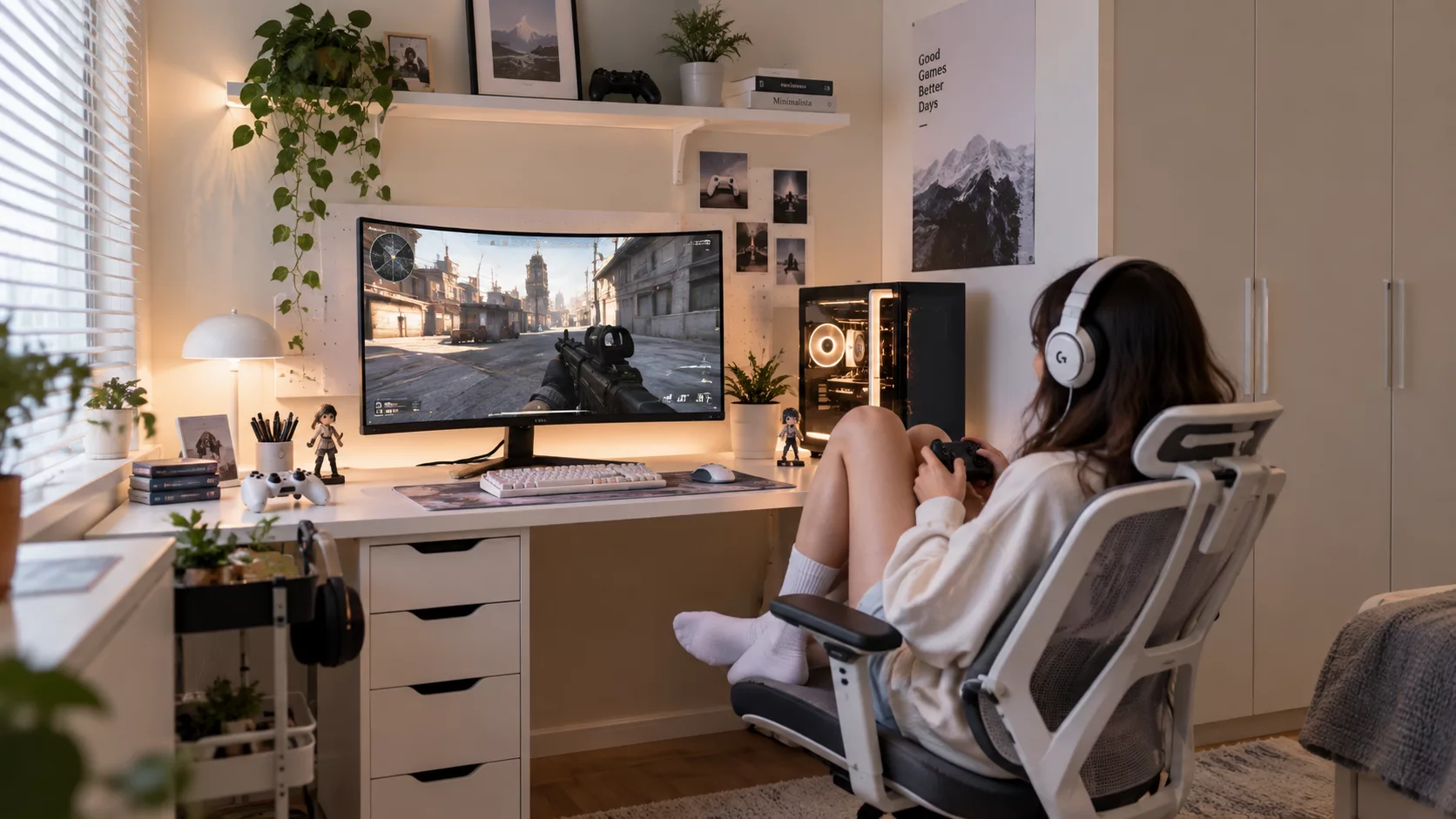
For a distributor evaluating a 27-inch curved gaming monitor as an entry product, this approach offers a practical balance between gaming performance, market accessibility, and customization potential.
32″ QHD 165Hz: A Stronger Core Model for a Performance-Oriented Line
When the buyer wants its gaming monitor product line to move beyond an entry-level configuration, we can recommend our 32-inch QHD gaming monitor as a core product direction.
The current model uses QHD resolution and a 165Hz refresh rate, together with an IPS panel and a 1ms response specification. It can also be supplied in curved or flat versions, giving the buyer flexibility when defining the appearance and positioning of the display.
The commercial role is different from the 27-inch FHD model. The larger format and higher resolution create a clear step up for buyers looking for a performance-oriented gaming display, while the product can still serve users who move between gaming, entertainment, and everyday desktop work.
For a distributor looking for a 32-inch curved gaming monitor, this configuration can therefore serve as a stronger core model rather than simply another entry-level product. It gives the brand room to build a product hierarchy around different screen sizes and performance expectations.
The key trade-off is straightforward: the configuration offers more performance and a larger viewing area, but it also occupies a higher product position than the FHD entry model. That makes its role in the product line more about differentiation and broader application coverage than simply competing on entry price.
32″ 4K OLED 240Hz: A Premium Direction Rather Than an Existing Standard Model
The requirements become different when a buyer moves toward a 4K OLED 240Hz gaming monitor.
One premium-oriented gaming buyer specified 3840×2160 resolution, OLED technology, 240Hz or higher refresh rate, G-Sync, FreeSync, and a response time below 1ms. This is not simply a higher specification of the same mainstream product. It represents a different level of product positioning and engineering requirements.
At present, we do not position a 32″ 4K OLED 240Hz model as an existing standard product in our publicly listed range. Instead, this type of requirement needs to enter a further OEM/ODM evaluation process.
That distinction is important for procurement. Panel availability, production conditions, MOQ, and the implementation or certification status of G-Sync and FreeSync all need to be confirmed for the specific project. A requested specification should not automatically be treated as an existing standard configuration.
Our current range does include higher-performance products such as a 2K 240Hz gaming monitor, which gives us a useful reference when discussing high refresh rate gaming applications. However, this product should not be presented as equivalent to the requested 32″ 4K OLED 240Hz configuration.
For a premium gaming brand, the next step is therefore to define the required specification and identify which elements can be matched through our current product platform and which require additional development or sourcing.
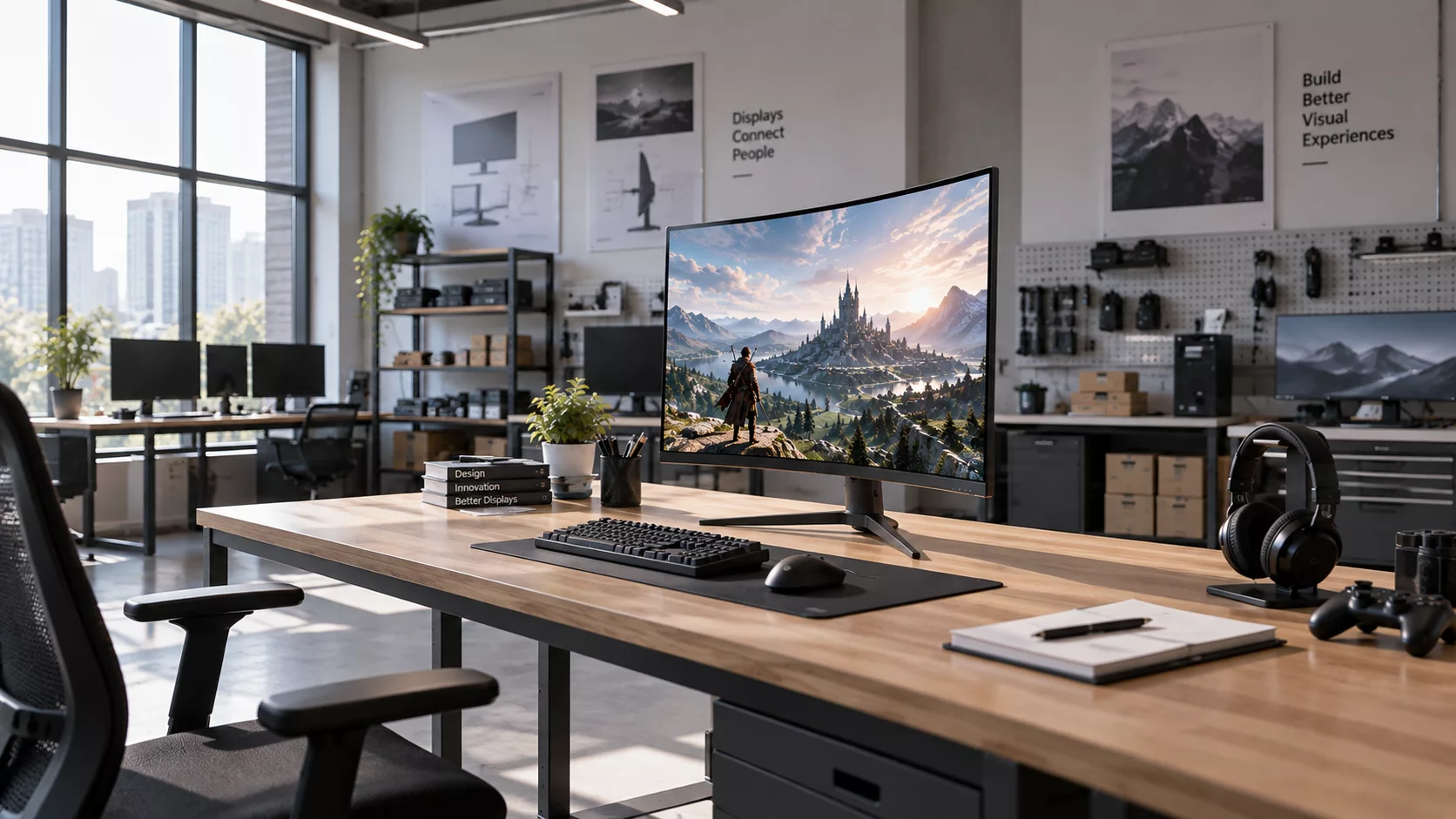
What We Can Do When the Project Moves From Product Selection to OEM
The product recommendation is only the first part of the project.
For a distributor moving toward its own gaming monitor brand, the next requirement is often to make the selected product part of its own brand identity rather than simply reselling a standard display. This is where our gaming monitor OEM capability becomes relevant.
Customer logo customization is available for our gaming monitor products. The actual cost depends on the project because order quantity, the selected customization process, and silk-screen printing color can all affect the final cost. We therefore confirm the branding cost according to the specific project rather than applying one fixed fee.
The housing can also be customized in color. However, the MOQ depends on the specific housing style and customization requirements. Once the buyer defines the desired appearance, we can further discuss the applicable production conditions.
This means a standard curved gaming display can become the starting point for a branded product rather than the final product itself. The buyer can first select a suitable configuration, then determine how much physical branding and appearance customization is required for its market.
For buyers developing their own brand, our OEM solutions can therefore extend beyond basic product supply into logo branding, exterior customization, and broader project planning.

This is particularly relevant to distributors that are transitioning from reselling products toward building their own gaming monitor portfolio. The degree of customization can be matched to the business stage instead of assuming that every project requires the same manufacturing process.
How the Two Requirements Lead to Different Recommendations
The difference between the two buyer profiles shows why we do not recommend the same gaming monitor configuration to every customer.
For a distributor that is still defining its product range, the immediate requirement is to establish a commercially workable starting point. In that situation, the 27-inch FHD gaming monitor provides an accessible high-refresh option, while the 32-inch QHD gaming monitor provides a stronger core performance product.
These two configurations can work together as a basic gaming monitor product line. The buyer can address different user and price segments without forcing every customer toward the highest available specification.
For the premium buyer with a clearly defined 4K OLED 240Hz requirement, the discussion changes. The buyer already knows the performance level it wants, so our focus moves toward whether that configuration can be developed and supplied under the required project conditions.
This is why we would not simply substitute our existing 2K 240Hz gaming monitor and claim that it satisfies a 32″ 4K OLED 240Hz requirement. The specifications serve different product positions, and the project needs to be evaluated against the buyer's actual requirements.
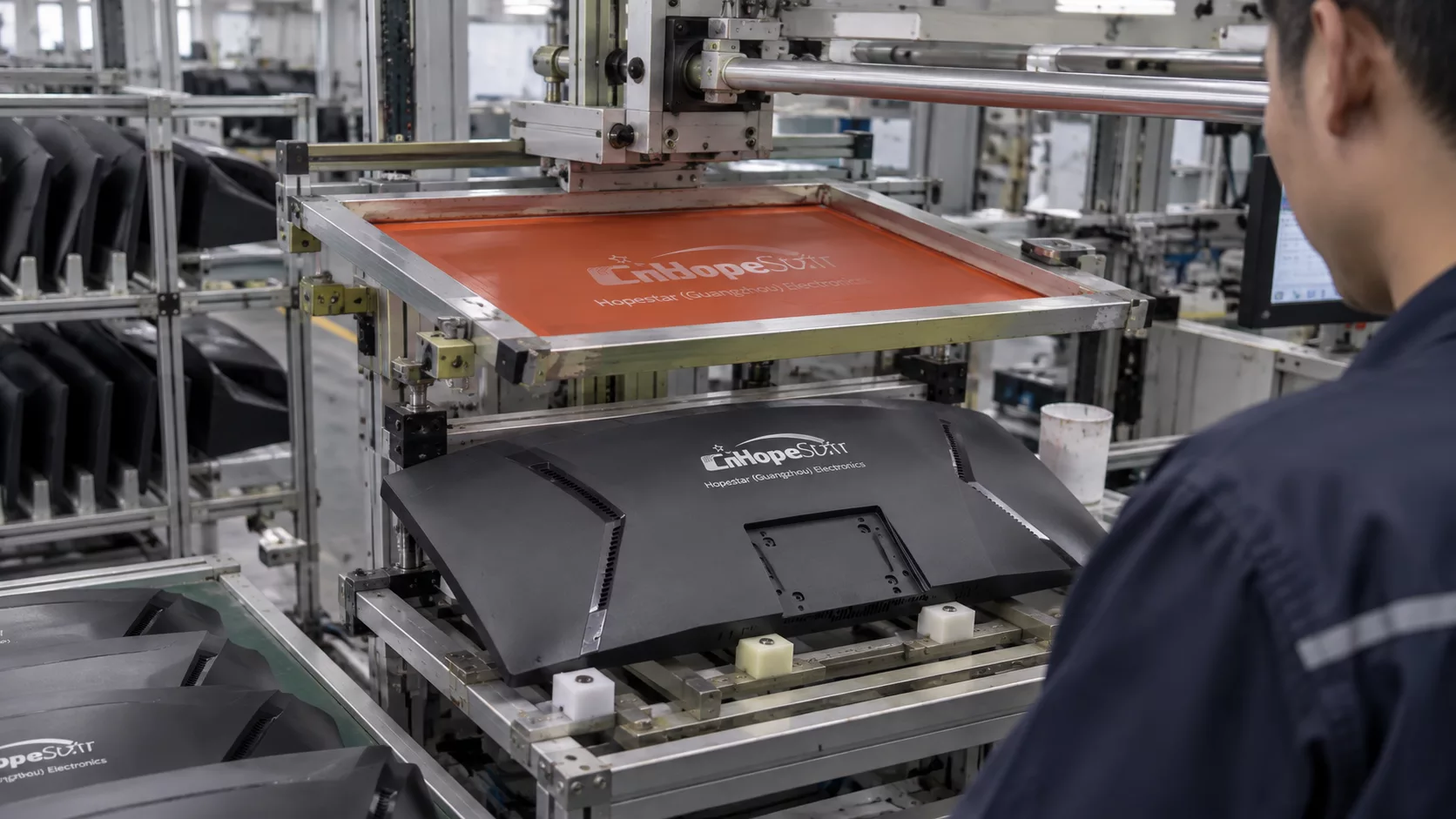
Our recommendation process therefore follows a practical progression: understand the target market, match it against our existing product platform, establish the appropriate product tier, identify specification gaps, and then evaluate customization and production requirements.
Building a Gaming Monitor Line Instead of Buying a Single Model
For a distributor transitioning toward its own brand, the value of working with an OEM supplier is not limited to obtaining one gaming monitor.
A more scalable approach is to establish a product structure in which each model has a clear role. The 27-inch FHD gaming monitor can address the accessible end of the range, while the 32-inch QHD gaming monitor can provide a stronger core offering. If the brand later needs a premium product with 4K OLED 240Hz specifications, that requirement can be evaluated as a separate OEM/ODM development direction.
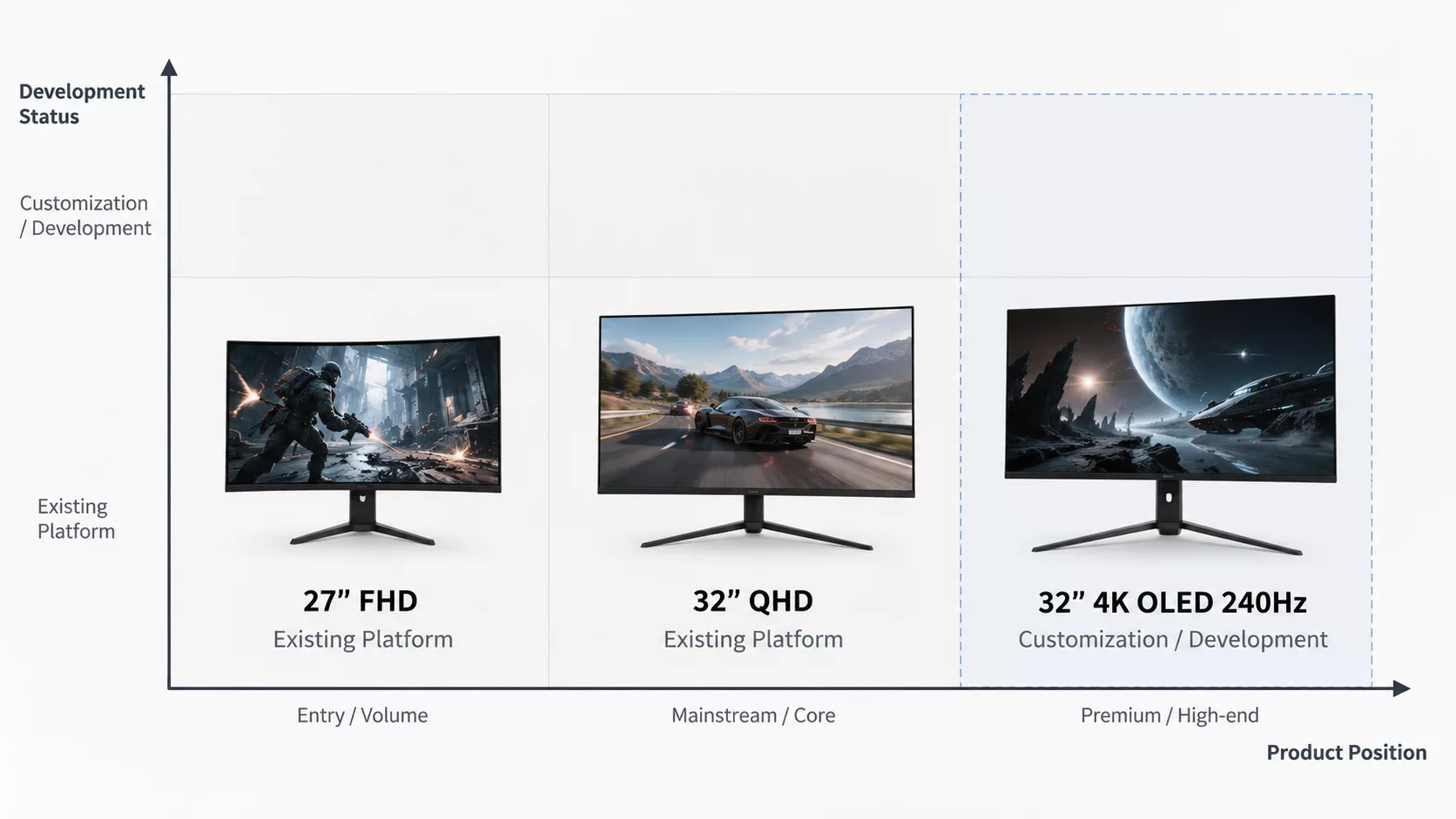
This structure also gives customization a clearer purpose. Once the product architecture is defined, brand logo, silk-screen process, printing color, and housing color can be discussed according to the intended production volume and design requirements.
For a distributor that wants to move beyond standard products, a custom gaming monitor can therefore become part of the wider brand strategy rather than a separate technical request.
The objective is to connect the buyer's market position with a product that we can actually recommend, while leaving room for customization and further development when the project requires it.
For buyers evaluating a curved gaming monitor application, this is the approach we can provide: start with your target market and performance requirements, match them against our existing Gaming Monitor range, and then determine whether a standard product, a customized configuration, or a broader product line is the most suitable direction.
If you are planning your own gaming monitor brand or product line, contact us with your target market, preferred screen size, performance requirements, and branding needs. Based on your requirements and our experience across different gaming monitor configurations, we can recommend suitable products or help you build a product line that fits your market through our OEM solutions.
 How a Spanish Distributor Planned Its Own-Brand Gaming Monitor Line with OEM Support