 86 13392660243
 hope17@cnhopestar.com
 whatsapp
How RK3588 Strengthens Android Commercial Tablets Across Real-World Applications
 2026-01-12
 Hopestar
How RK3588 Strengthens Android Commercial Tablets Across Real-World Applications
In commercial Android tablets and intelligent terminals, performance alone is never the deciding factor. What matters more is how reliably the device performs in real deployment environments, where long operating hours, multiple workloads, and fixed installations are the norm.
RK3588 is selected in certain Android product designs because it supports a balanced system architecture that aligns well with commercial requirements. When combined with appropriate hardware design and Android system optimization, it enables stable, scalable, and flexible platforms for a wide range of industry applications.
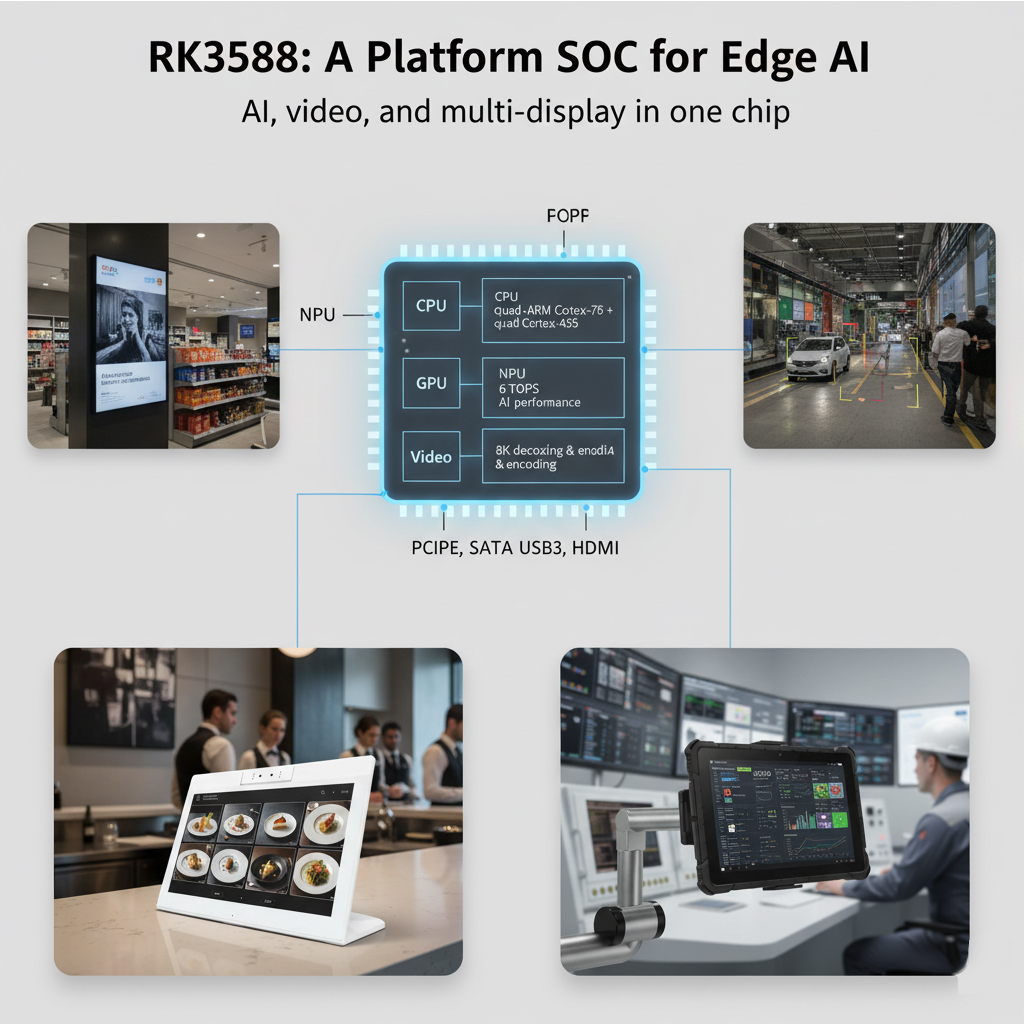
System-Level Thinking Beyond Chip Performance
From a technical perspective, commercial Android devices operate under very different conditions compared to consumer tablets. They often need to:
Run continuously without rebooting
Handle video, UI interaction, and background services simultaneously
Drive one or more external displays
Remain thermally stable in enclosed or wall-mounted installations
RK3588 supports these requirements not through extreme compute performance, but through efficient task distribution, multi-display capability, and strong multimedia processing within an Android-friendly architecture. This makes it suitable for systems where stability and predictability are more important than peak benchmarks.
Commercial Advertising & Digital Signage Applications
In commercial advertising environments, wall-mounted Android display panels are commonly used for digital signage, information broadcasting, and promotional content.
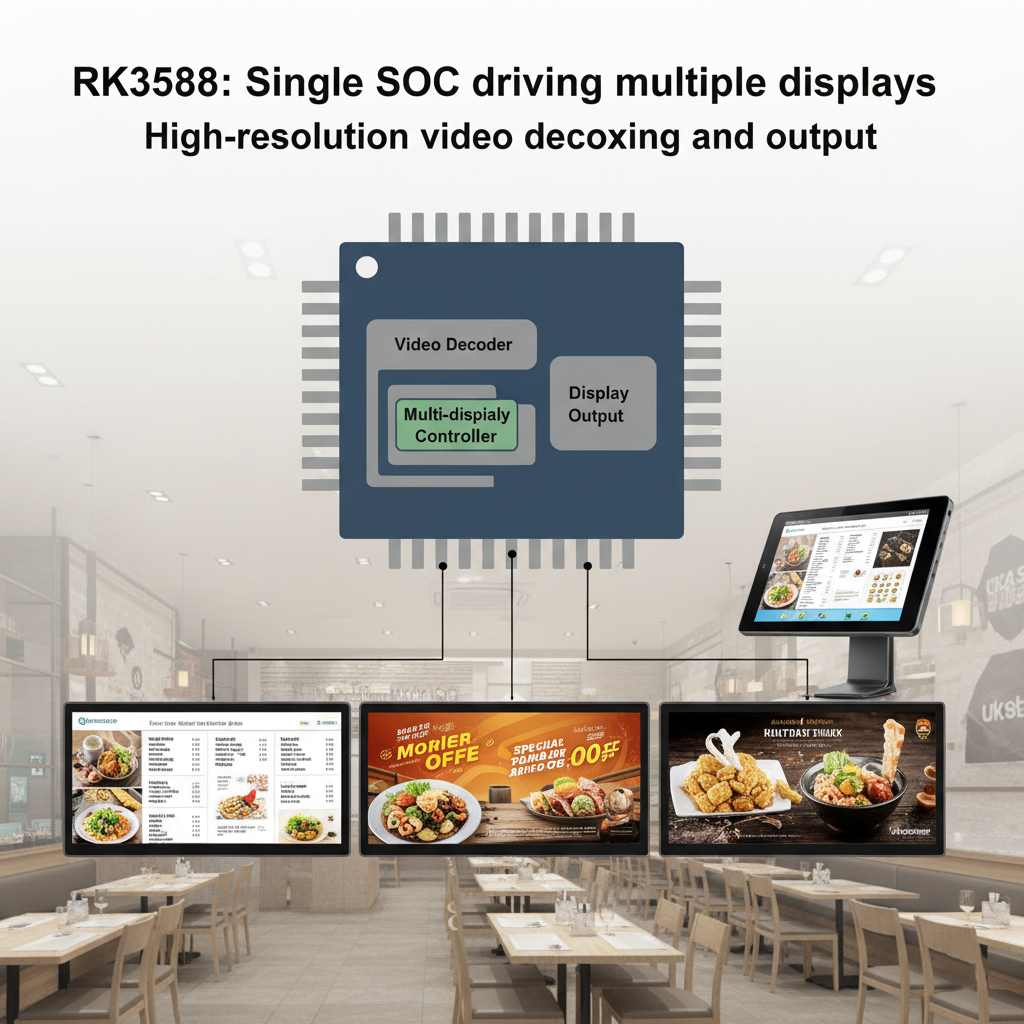
These installations typically require continuous video playback, high-resolution output, and the ability to manage multiple displays or zones. Android tablets built on RK3588 can support multi-display output and synchronized content control, allowing a single device to manage multiple screens or extend content across displays.
From a system standpoint, hardware video decoding and optimized graphics pipelines reduce CPU load, helping the device maintain smooth playback and consistent performance during long operating hours. This is particularly important in advertising environments where reliability directly impacts brand presentation.
Restaurant Ordering and Self-Service Systems
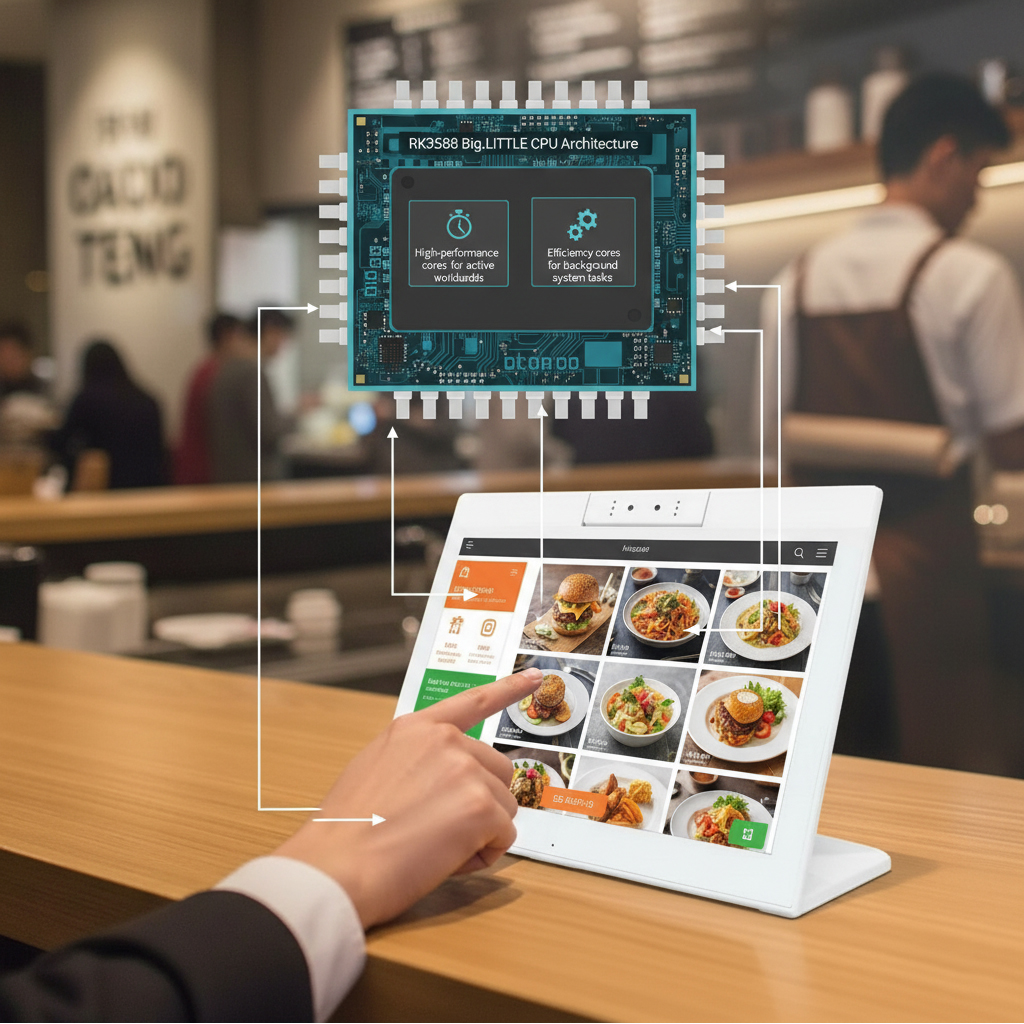
Restaurant ordering tablets and self-service terminals operate under high interaction frequency, especially during peak hours. These systems must process user input, communicate with backend services, and update on-screen information in real time.
RK3588-based Android tablets provide sufficient processing headroom to manage foreground UI interaction and background service execution simultaneously. This allows ordering interfaces to remain responsive even when multiple tasks are running, such as order synchronization, receipt printing, or display updates.
From an engineering perspective, this reduces system bottlenecks and improves overall user experience without requiring excessive hardware complexity.
Medical Check-In and Information Terminals
Healthcare environments place a strong emphasis on system stability and predictable behavior. Android terminals used for patient check-in, queue management, or information display are often deployed as fixed installations and expected to operate reliably throughout the day.
In these scenarios, Android tablets built on RK3588 benefit from stable system integration and controlled power behavior. Optimized Android configurations help ensure smooth UI response, consistent data handling, and reduced risk of system instability over long operating cycles.
This makes such platforms suitable for medical environments where reliability and clarity take priority over performance headroom.
Industrial Control and Monitoring Panels
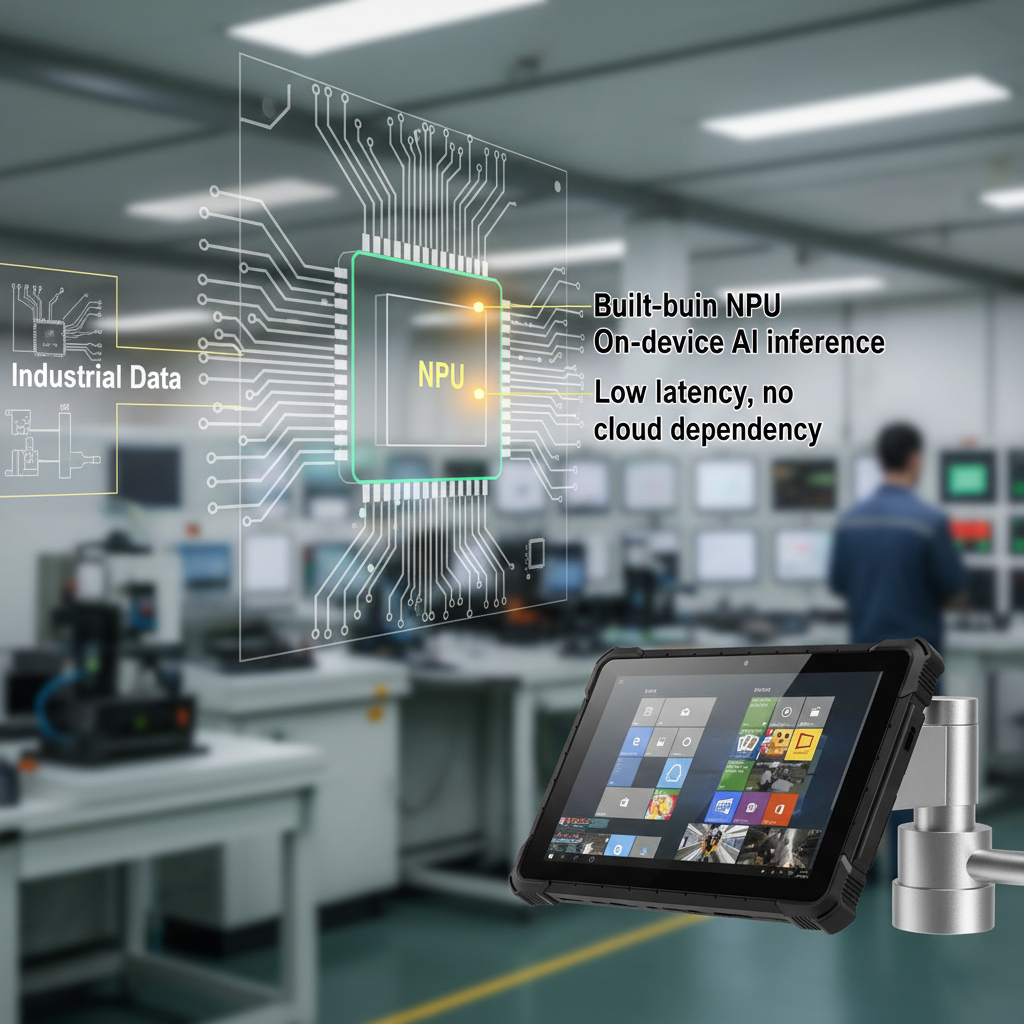
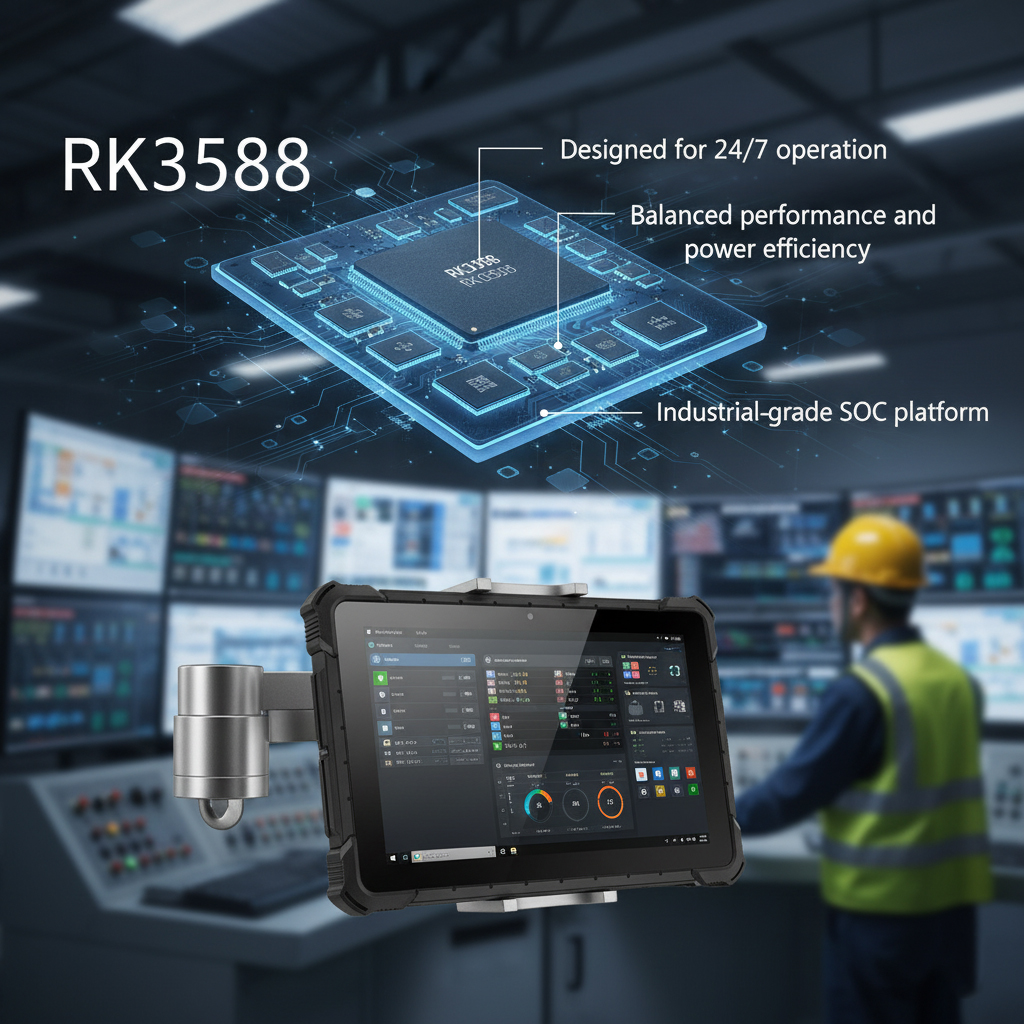
Industrial Android panels are commonly used for equipment monitoring, data visualization, and system control interfaces. These applications often require support for external peripherals, multiple interfaces, and, in some cases, additional display outputs.
RK3588-based platforms support rich I/O expansion and multi-display configurations, enabling Android control panels to integrate more easily into industrial systems. When paired with appropriate enclosure design and thermal management, these devices can operate stably in industrial environments where temperature and usage conditions are less predictable.
From a system design perspective, this flexibility simplifies integration and reduces the need for additional hardware layers.
RK3588 as Part of a Reliable Android Platform Design
It is important to view RK3588 not as a standalone feature, but as one component within a broader Android product design strategy.
In commercial Android tablets and intelligent terminals, overall reliability is achieved through the combination of:
Hardware architecture matched to application needs
Android system tuning and workload optimization
Thermal and power management for fixed installations
Long-term component availability and support planning
When these elements are aligned, RK3588 enables Android platforms that are technically sound, deployment-ready, and suitable for long-term commercial use.
Building Android Commercial Devices for Real Deployment
For system integrators and technical decision-makers, the value of an Android commercial device lies in its ability to perform consistently under real-world conditions.
RK3588-based Android tablets and terminals, when properly integrated, offer a balanced foundation for applications ranging from digital signage and self-service systems to healthcare and industrial control. This approach prioritizes system stability, scalability, and integration efficiency, ensuring that technology supports the application rather than complicating it.
 The Role of Advertising Display Tablets in Omnichannel Marketing Redefining Retail Engagement with Digital Innovation