

 86 13392660243
 hope17@cnhopestar.com


 86 13392660243
 hope17@cnhopestar.com

 whatsapp
10.1-Inch L-Shaped Android Smart Terminal for OEM/ODM Projects
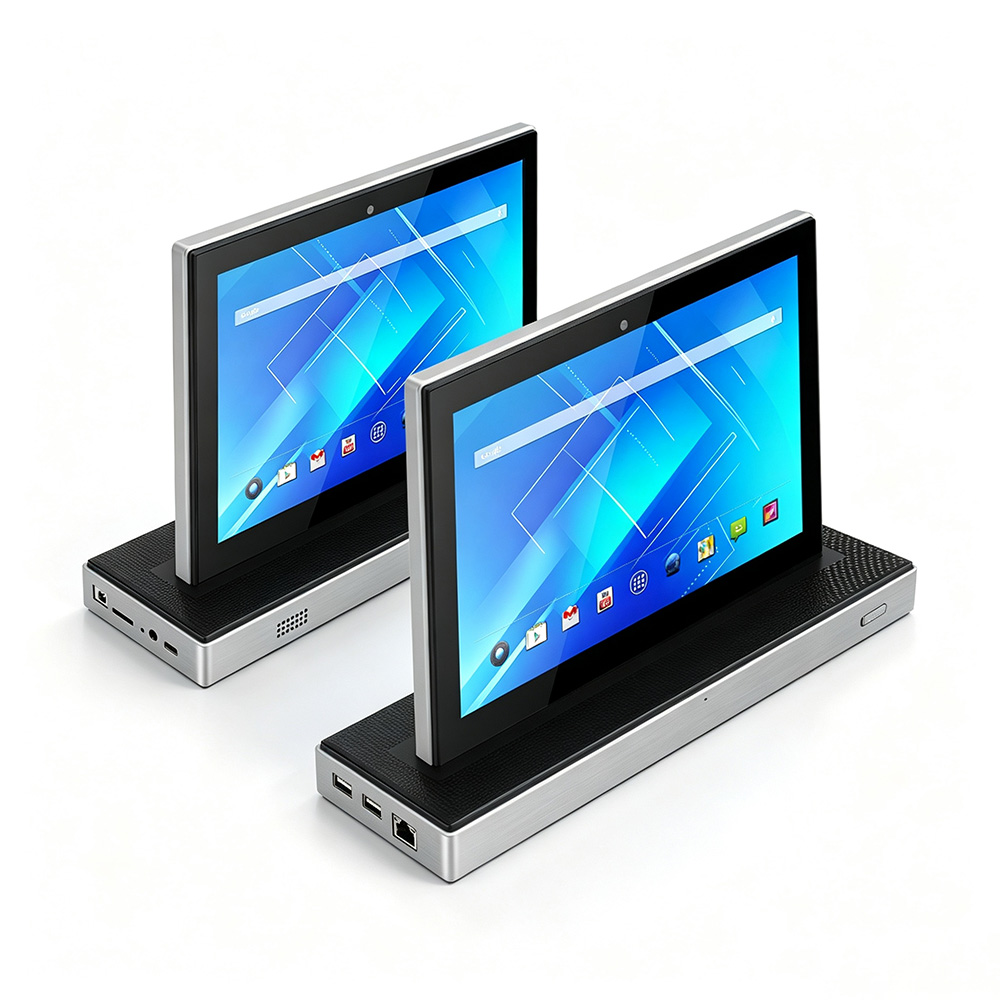
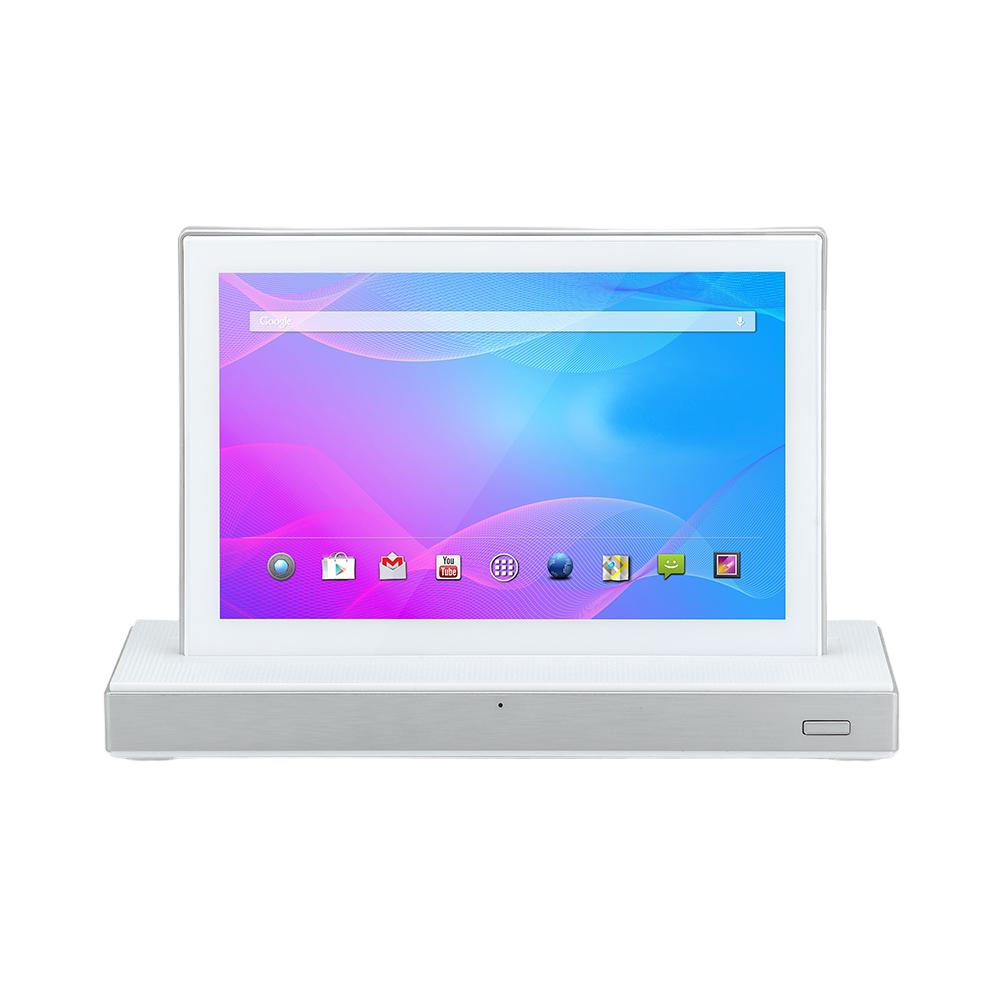
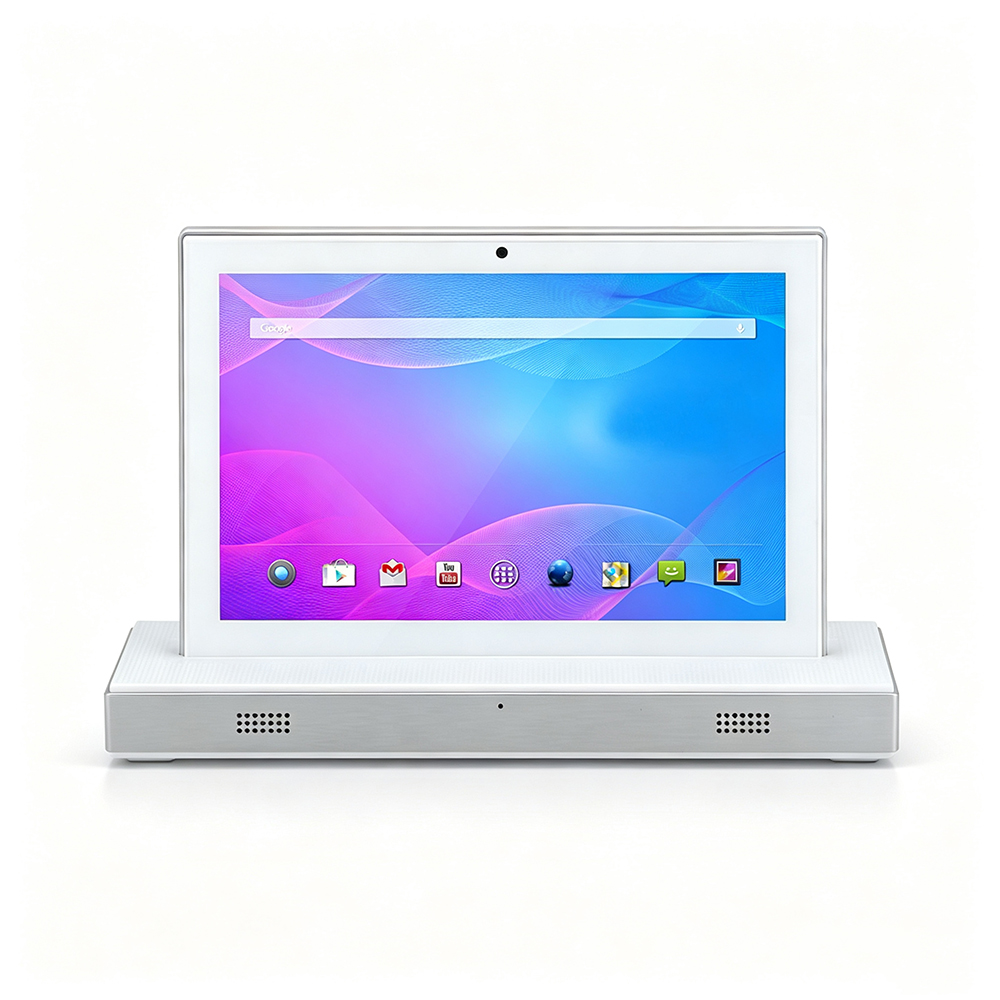
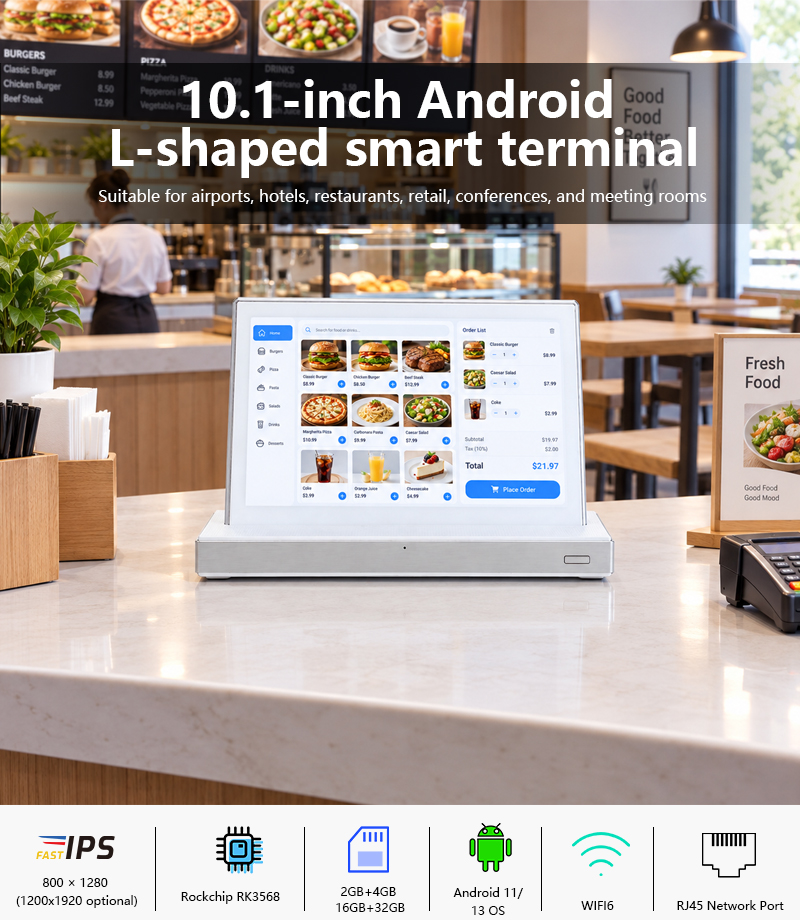
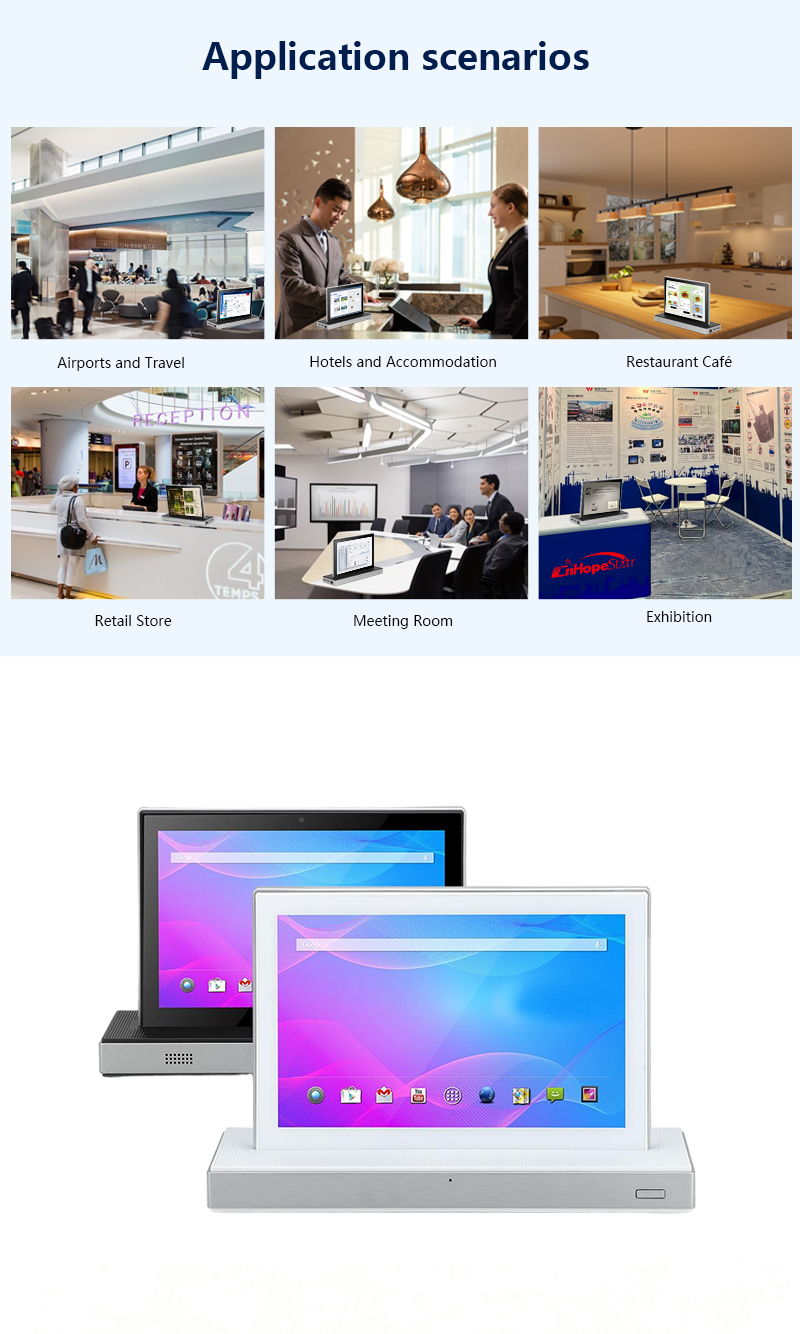
Designed for commercial equipment manufacturers, brand owners, and system integrators, this 10.1-inch L-shaped Android smart terminal combines an interactive touchscreen with an integrated base for space-efficient countertop deployment. Its compact design makes it suitable for customer-facing applications in restaurants, hotels, retail stores, airports, reception areas, and other commercial environments.
As a commercial Android hardware platform, the terminal can be evaluated for OEM/ODM projects, private-label product development, and bulk procurement. Its hardware configuration, connectivity, operating system, and peripheral requirements can be reviewed according to the intended application and project specifications.
Responsive 10-Point Touch for Interactive Business Workflows
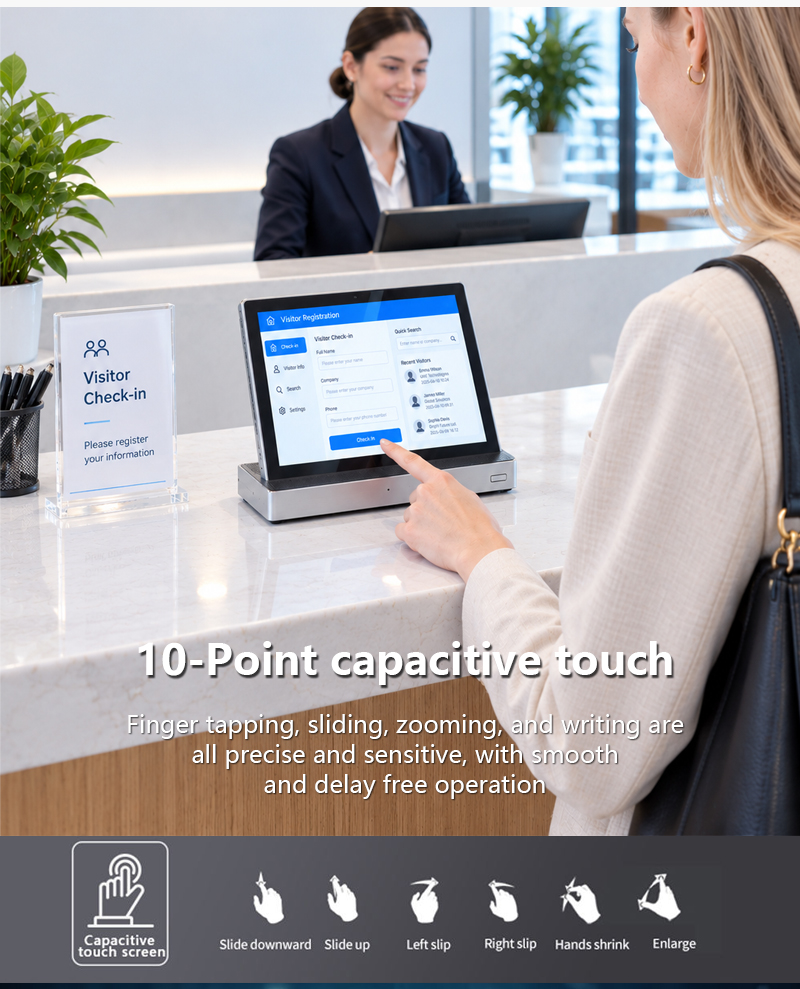
The 10-point capacitive touchscreen supports responsive multi-touch input, allowing users to navigate menus, select options, enter information, and interact with compatible applications. This interface is suitable for self-service terminals, visitor registration systems, product information displays, and other customer interaction workflows.
For system integrators and commercial solution providers, the touchscreen provides an interaction platform that can be assessed alongside the intended application software and user interface requirements. Touch performance and software compatibility should be verified against the requirements of the final deployment.
RK3568 Processing for Everyday Android Applications
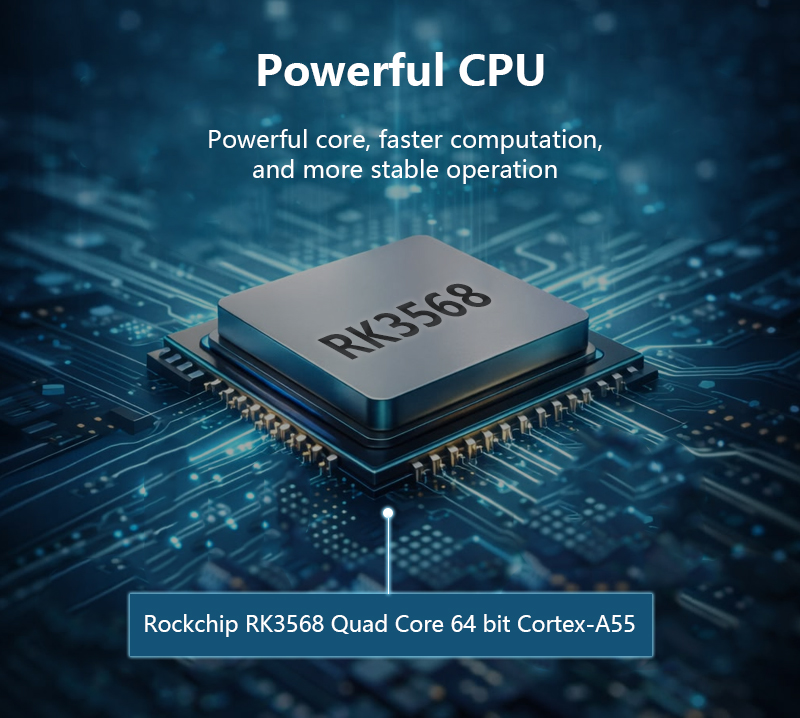
Powered by the Rockchip RK3568 quad-core 64-bit processor with Cortex-A55 cores, the terminal provides a computing platform for compatible Android applications and routine commercial operations.
The processor supports application-based workflows such as information access, interactive menus, and service interfaces, subject to software requirements and the selected memory configuration. For OEM/ODM projects, evaluating processor performance alongside application workloads helps buyers determine whether the hardware platform is appropriate for their intended product or deployment.
Android Platform for Flexible Software Integration
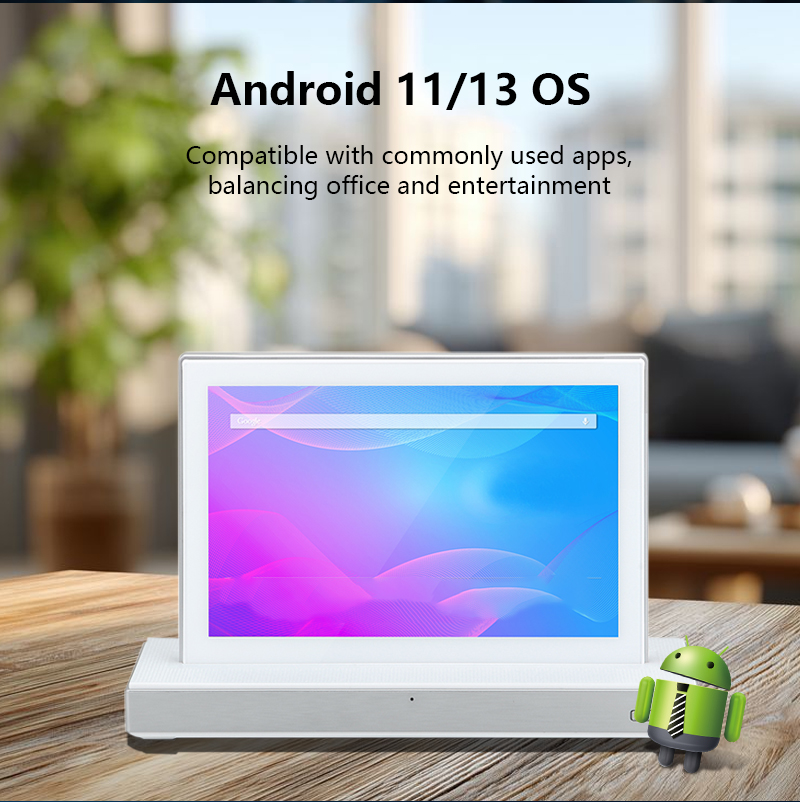
The Android operating system provides a familiar environment for deploying compatible business applications and developing application-based commercial solutions. Depending on the project, the terminal can be evaluated for self-service interfaces, visitor management, customer interaction, and other commercial software workflows.
For OEM/ODM buyers and system integrators, operating system version, application compatibility, device permissions, and software integration requirements are important factors during product selection. These requirements should be confirmed with the supplier before finalizing the hardware configuration for a commercial deployment.
Flexible Connectivity for Different Commercial Installations
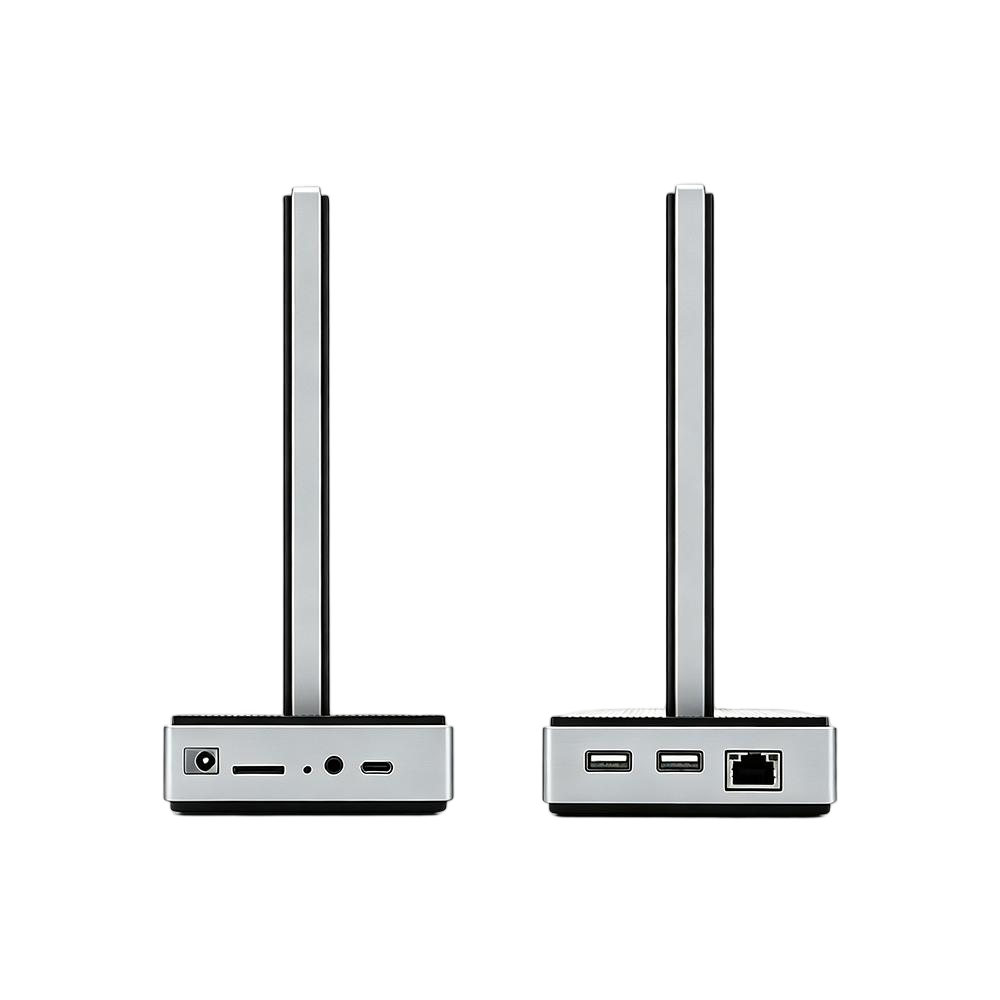
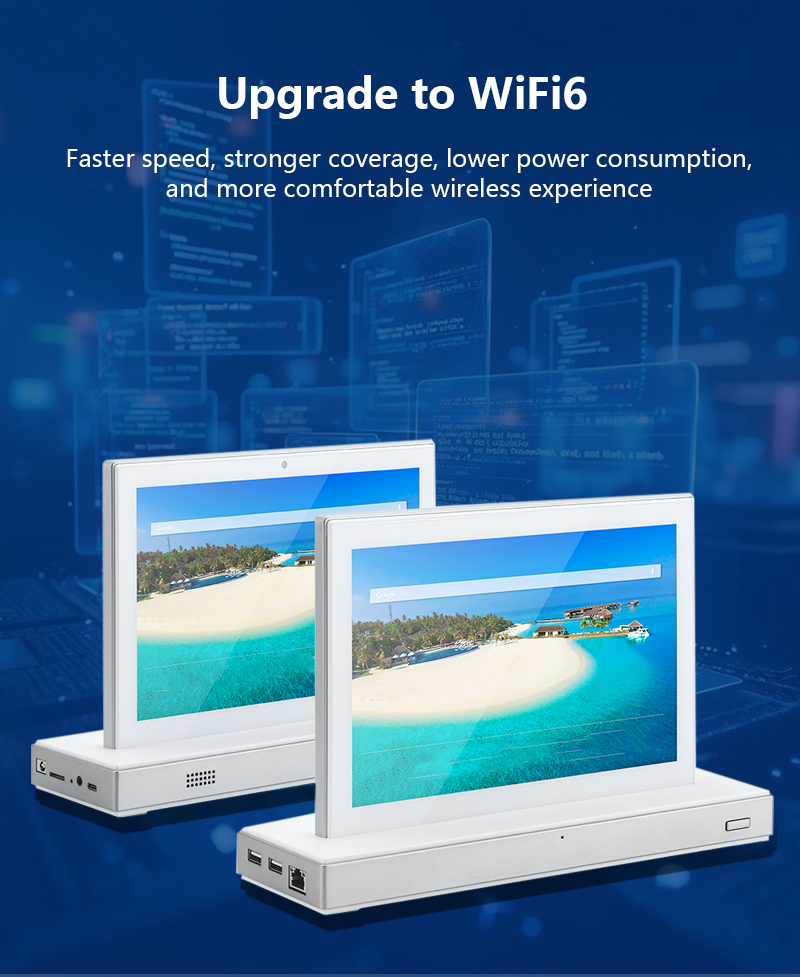
Wireless and wired networking options help accommodate different installation environments. When included in the selected configuration, Wi-Fi 6 supports compatible wireless network connections, while the available Ethernet interface provides an option for wired network integration.
These connectivity options can be evaluated for retail counters, hotel reception areas, service stations, and other environments where terminals need to communicate with compatible applications or network services. Interface availability, wireless specifications, and network compatibility should be verified against the requirements of each OEM/ODM project.
Optional 2MP Camera for Camera-Based Applications
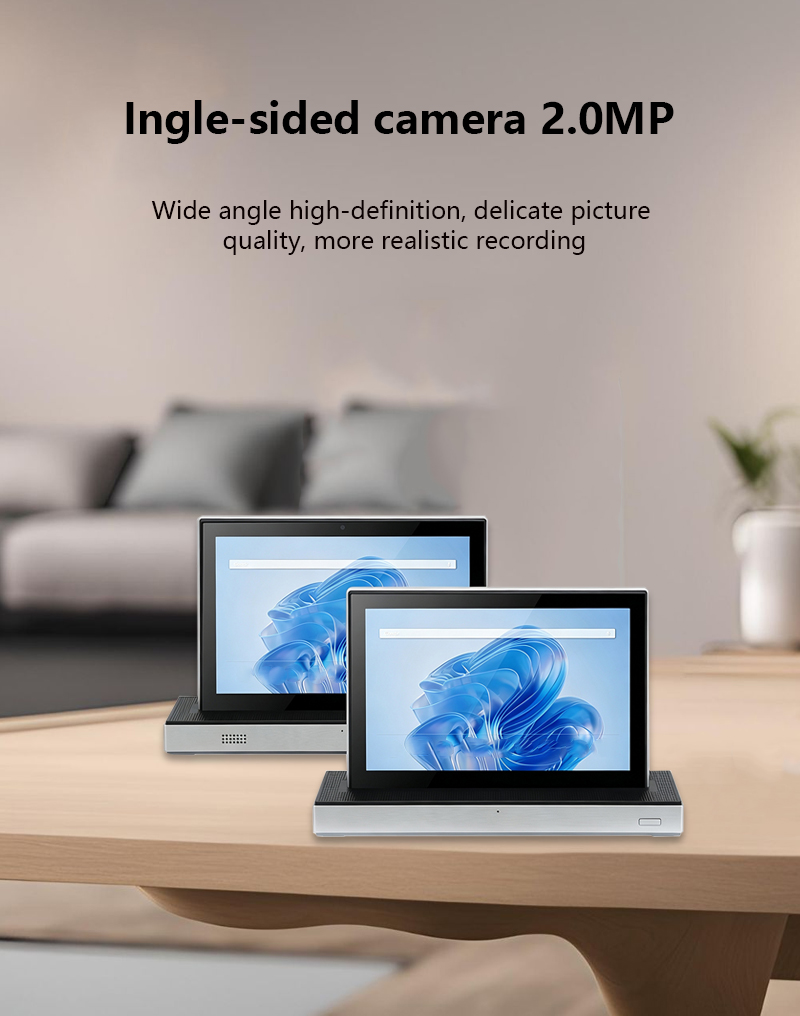
A 2MP camera, where included in the selected configuration, adds image-capture capability for compatible commercial applications. Potential use cases include visual communication, image capture, and other workflows that require camera input.
For product developers and equipment manufacturers, camera availability and application compatibility should be assessed during hardware configuration planning. The required camera specifications and software integration depend on the intended application and selected model.
Integrated Base with Options for Peripheral Integration
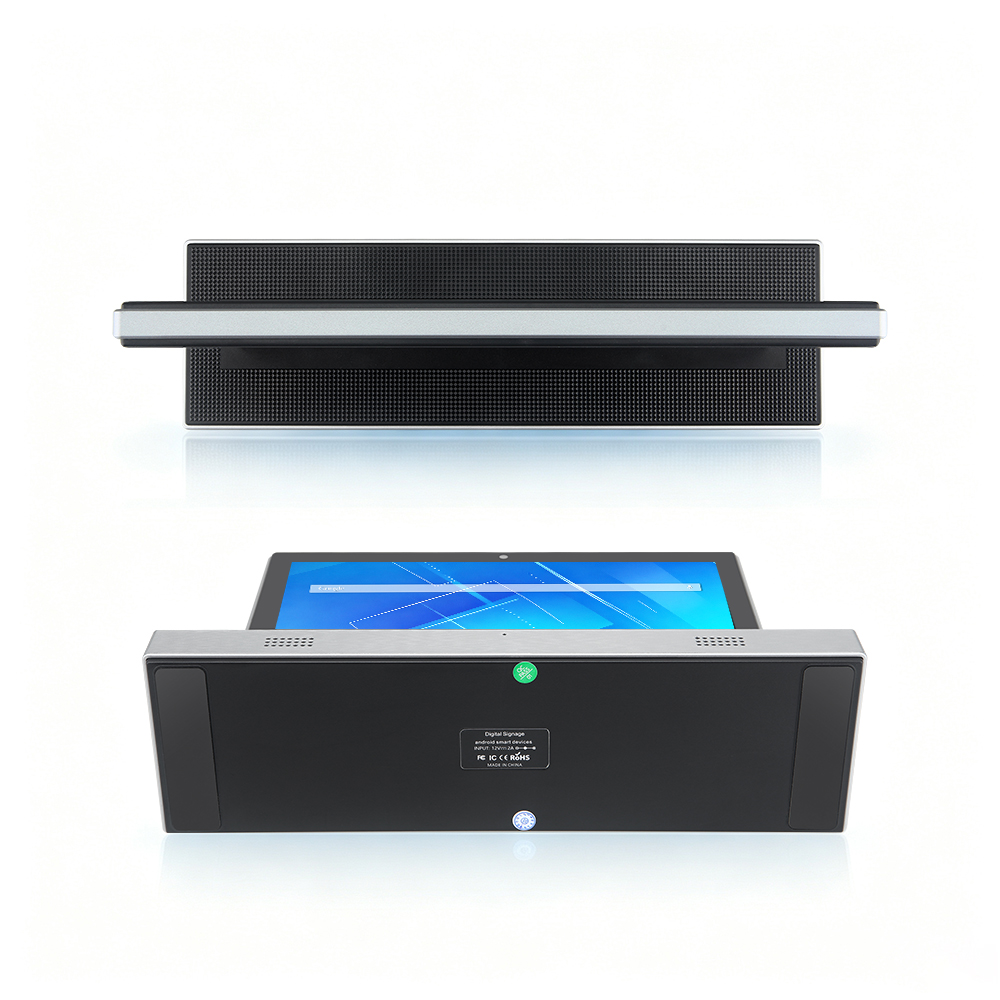
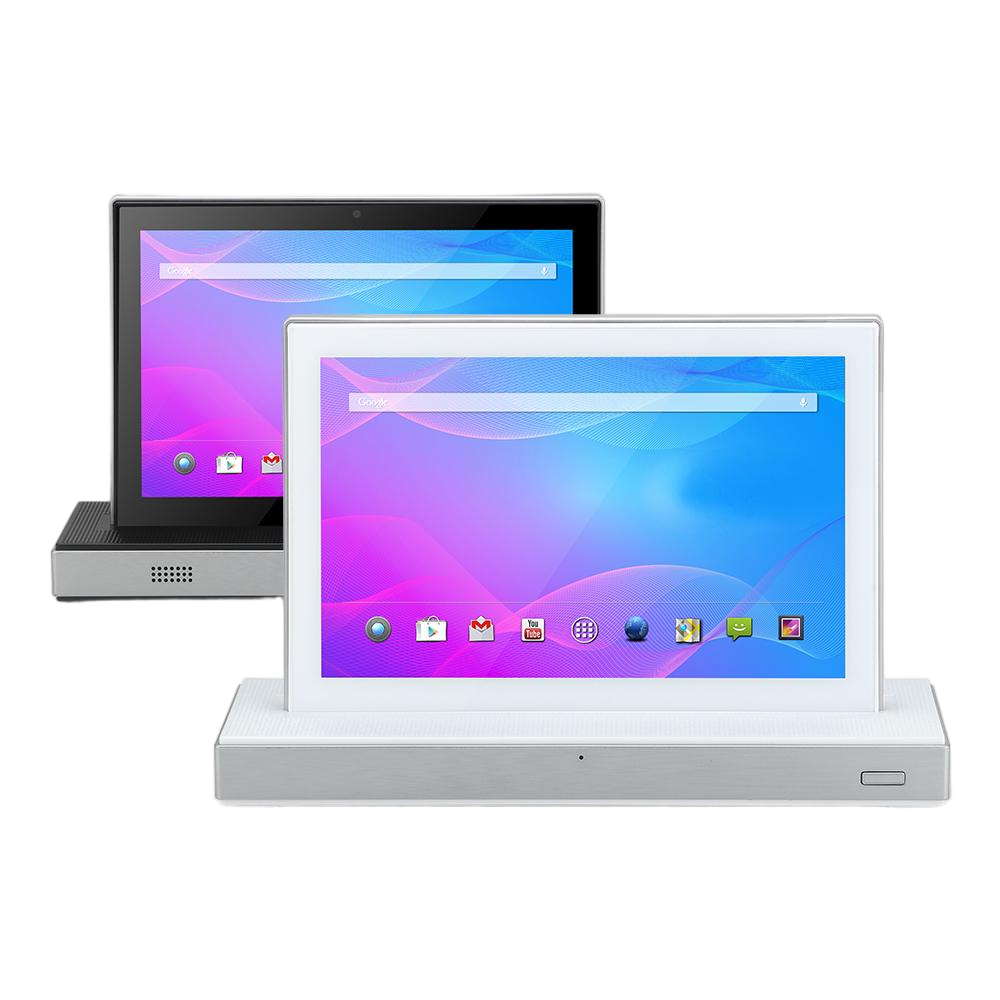
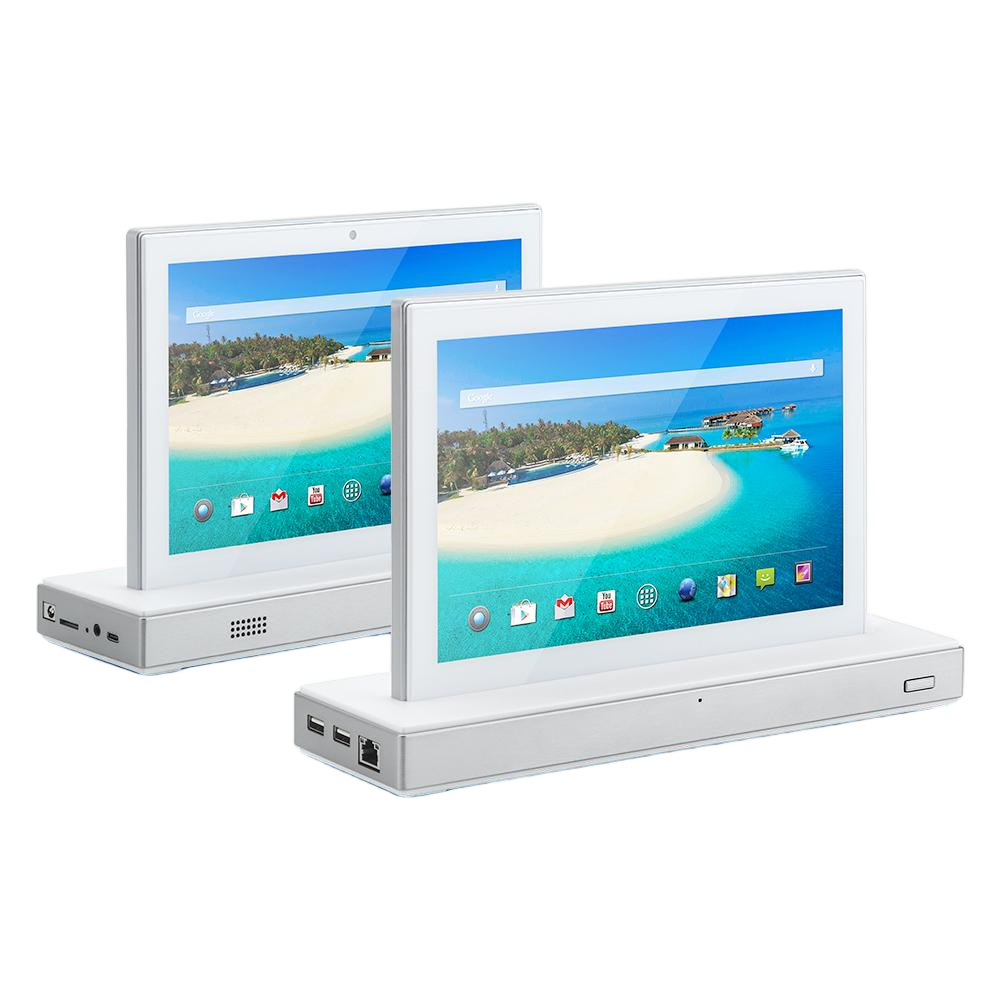
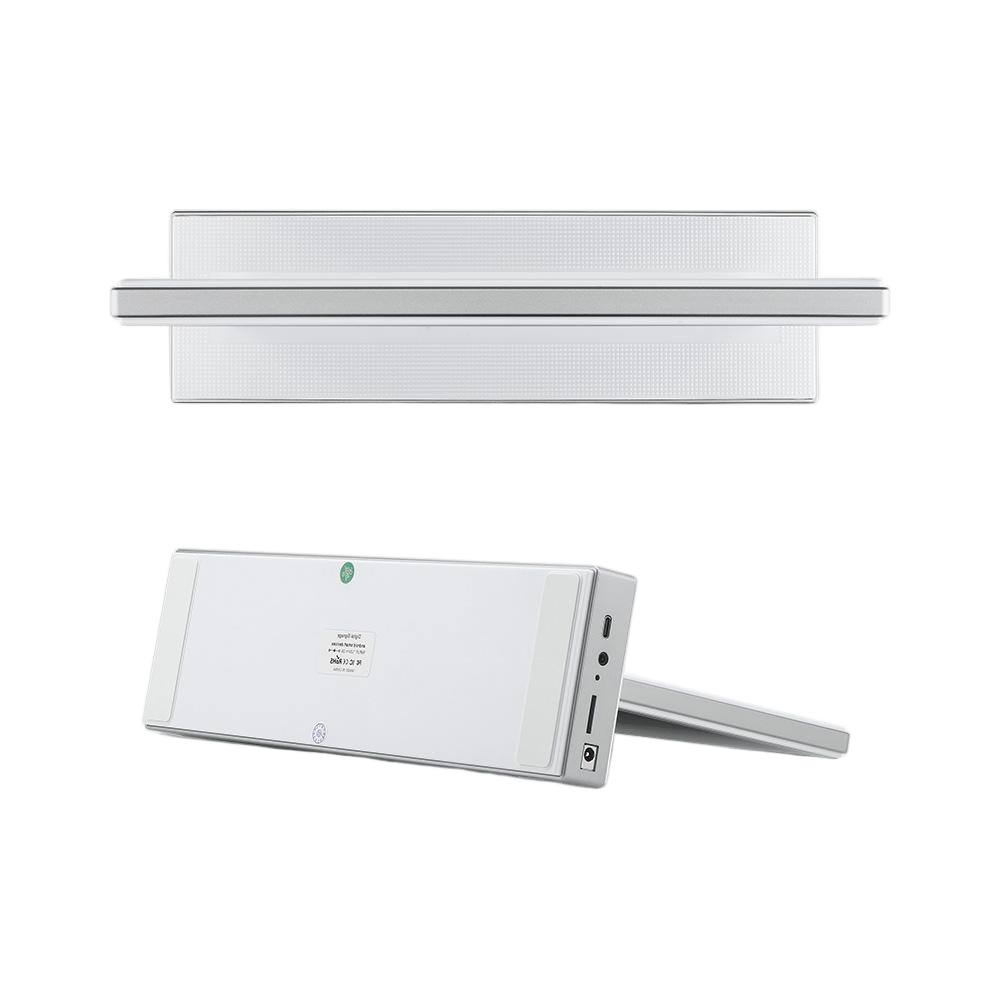
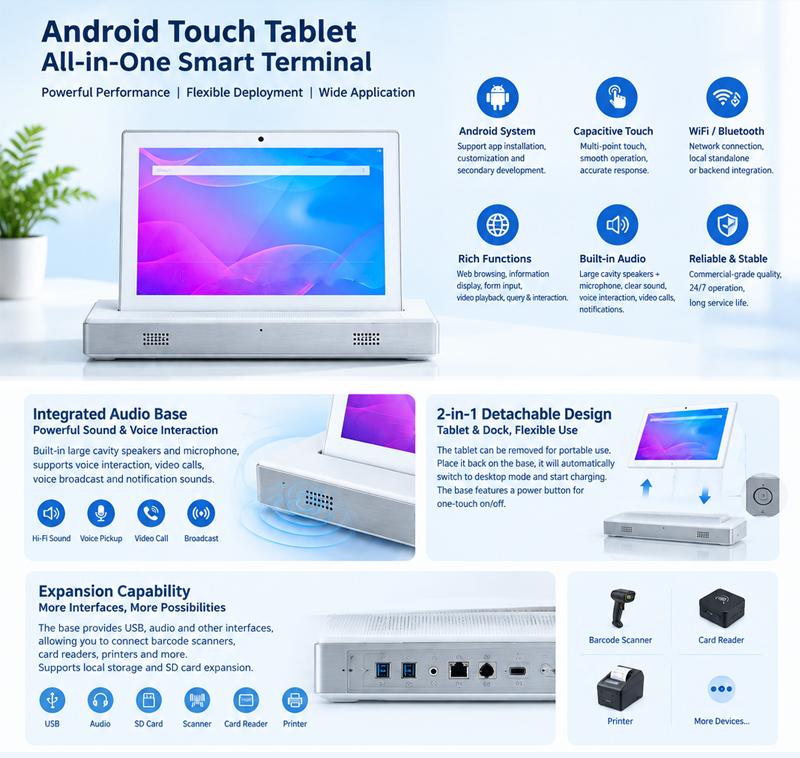
The integrated base creates a unified countertop terminal, helping organize the display and supporting hardware within a compact footprint. The detachable tablet-and-dock design shown in the product materials offers an additional deployment arrangement where supported by the selected model.
The base is designed to accommodate connectivity and audio functions, providing additional considerations for commercial equipment integration. For OEM/ODM buyers, the available interfaces, peripheral compatibility, docking arrangement, and installation requirements should be confirmed against the final product specification.
A Space-Saving Countertop Design for Commercial Applications
The integrated L-shaped structure combines the display and supporting base in a compact desktop form, helping commercial equipment manufacturers develop customer-facing terminals without requiring a separate display stand. Its countertop design is suitable for service counters, reception desks, retail checkout areas, and interactive information points.
For OEM/ODM buyers and equipment distributors, this form factor provides a practical starting point for evaluating terminal designs for specific commercial applications. The final suitability depends on the installation environment, mounting requirements, and selected hardware configuration.
FAQ
Q1. Can both screens of a dual-screen Android terminal run different applications simultaneously?
The terminal features a dual-LCD configuration with optional dual-touch functionality, making it suitable for applications that require interaction from two sides. However, whether each screen can run a separate application, display independent content, or share data between interfaces depends on the Android system configuration, display architecture, and application development. Buyers should confirm these requirements before integrating the terminal into a customer-facing service or retail system.
Q2. How can a dual-screen Android terminal be integrated with existing POS, kiosk, or business management systems?
Integration depends on the software architecture and the interfaces required by the target system. The terminal runs Android 11 or 13 and provides USB 2.0, Gigabit Ethernet, Wi-Fi 6, Bluetooth 5.2, and optional 4G/5G connectivity. Before deployment, system integrators should validate application compatibility, peripheral drivers, data exchange requirements, and any required APIs or middleware. Compatibility with a specific POS, ERP, or kiosk platform should be confirmed through technical evaluation.
Q3. What should OEM buyers consider when developing a customized dual-screen Android terminal?
OEM/ODM evaluation should cover the screen configuration, touch functionality, processor performance, memory capacity, Android version, connectivity, and external interface requirements. This model uses a Rockchip RK3568 quad-core processor, with 2GB or optional 4GB RAM and 16GB or optional 32GB storage. Buyers should also define application requirements, branding needs, operating environment, and expected production volume so the supplier can assess configuration feasibility, development scope, MOQ, and lead time.
Q4. Is a dual-screen Android terminal suitable for customer-facing retail and self-service applications?
It can be considered for retail service counters, assisted checkout, information kiosks, and other applications requiring customer-facing and operator-facing interaction. Suitability depends on how the two displays need to operate, the application workflow, peripheral integration, and installation design. For barcode scanners, payment devices, printers, or other specialized equipment, buyers should verify interface and software compatibility before confirming the deployment configuration.
Q5. How should buyers choose the RAM, storage, and connectivity configuration for a commercial Android terminal?
Configuration should be based on application workload, the number of concurrent processes, local data storage, and network requirements. The standard configuration includes 2GB RAM and 16GB storage, with 4GB RAM and 32GB storage options. Wi-Fi 6, Gigabit Ethernet, and Bluetooth 5.2 are supported, while cellular connectivity and PoE are optional. Buyers should validate application resource requirements and network architecture before selecting a configuration for multi-device deployment.
Q6. What information is required to obtain a quotation for a bulk or OEM dual-screen Android terminal order?
To assess a project accurately, buyers should provide the target application, required screen and touch configuration, preferred Android version, memory and storage requirements, network options, peripheral interfaces, branding requirements, and estimated order quantity. The supplier can then evaluate the proposed configuration and confirm MOQ, sample availability, production lead time, customization feasibility, warranty terms, and technical support arrangements. Certification documents and validation requirements should also be agreed upon for projects serving regulated or specialized markets.