

 86 13392660243
 hope17@cnhopestar.com


 86 13392660243
 hope17@cnhopestar.com
 whatsapp
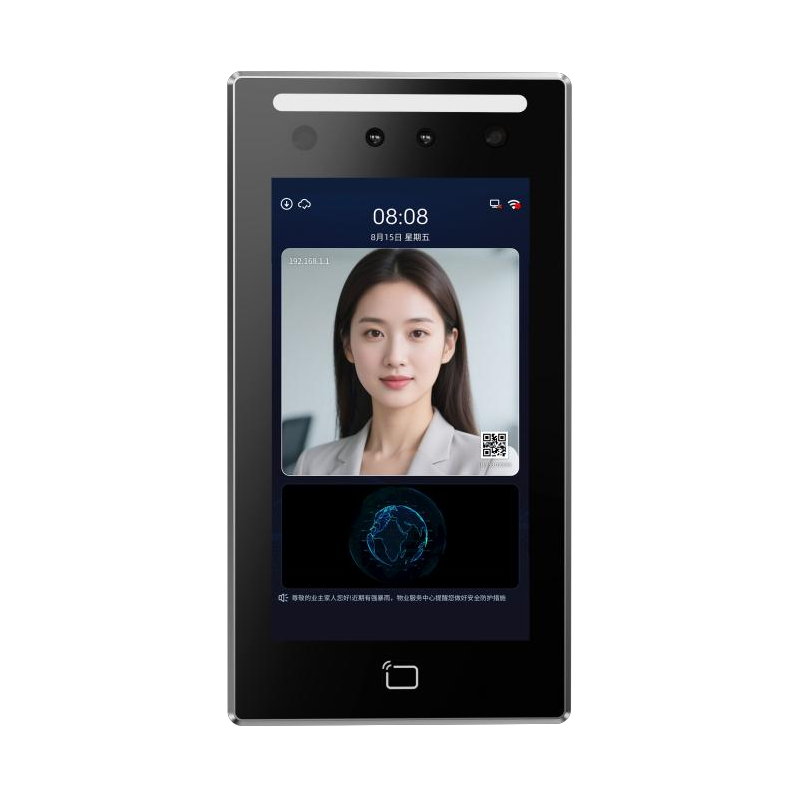
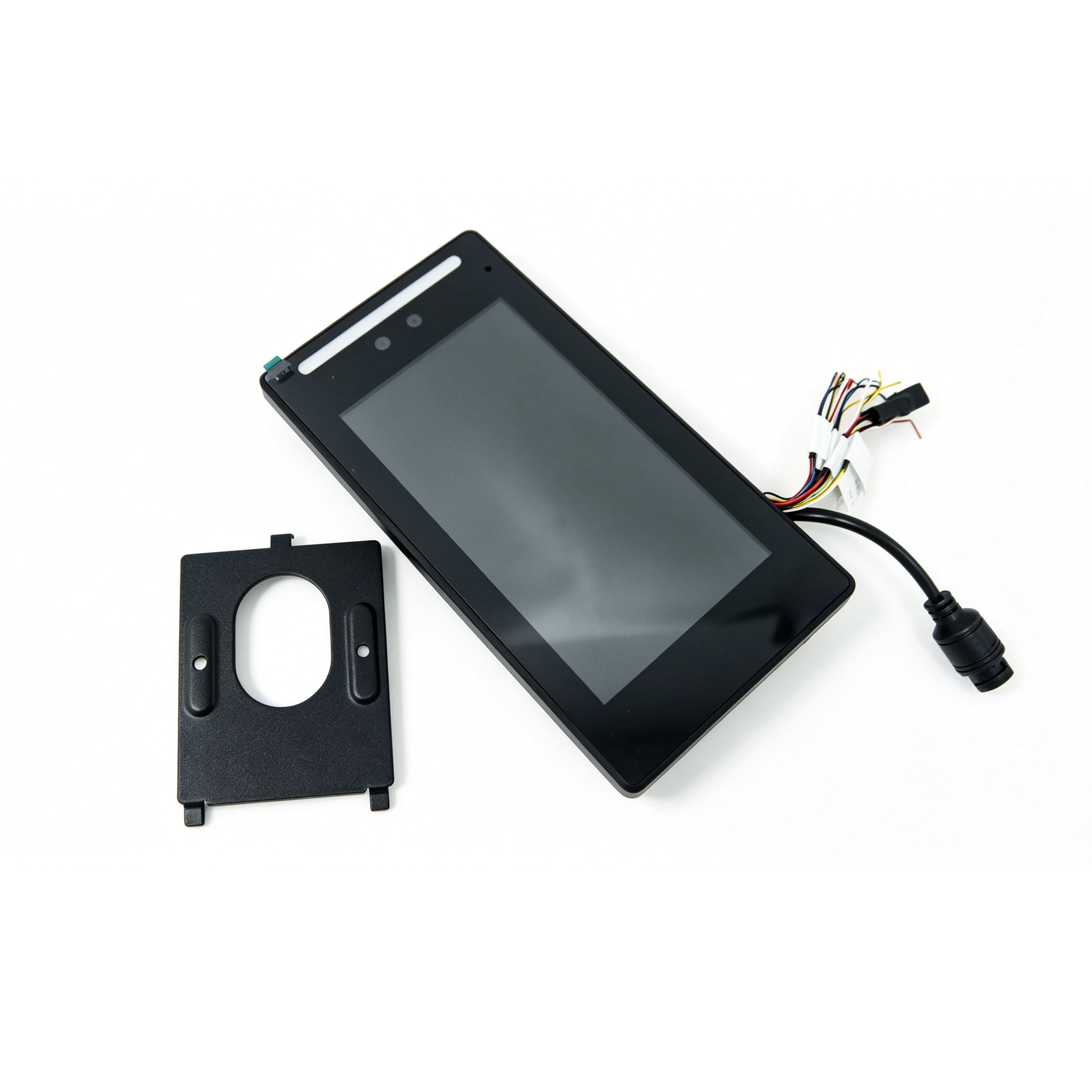
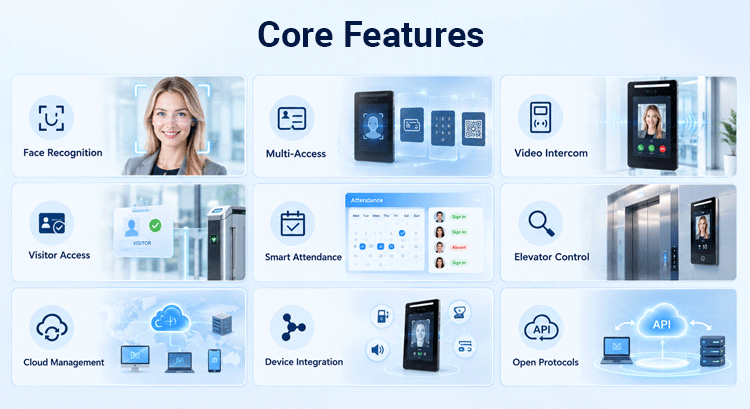
The NY-M7007A8 is a 7-inch Android face recognition access control terminal designed for residential communities, office buildings, commercial properties, hospitals, hotels, enterprise campuses, and other controlled-entry environments. It combines facial recognition, card and QR code access, video intercom, visitor management, attendance, elevator control, and system connectivity in one terminal. With a 100,000-face database, 100,000-card database, IP65 protection, and support for open communication protocols, the terminal provides a practical hardware platform for access control projects where reliable identification, flexible authentication, and integration with existing equipment are important.
100,000-Face & 100,000-Card Recognition Capacity
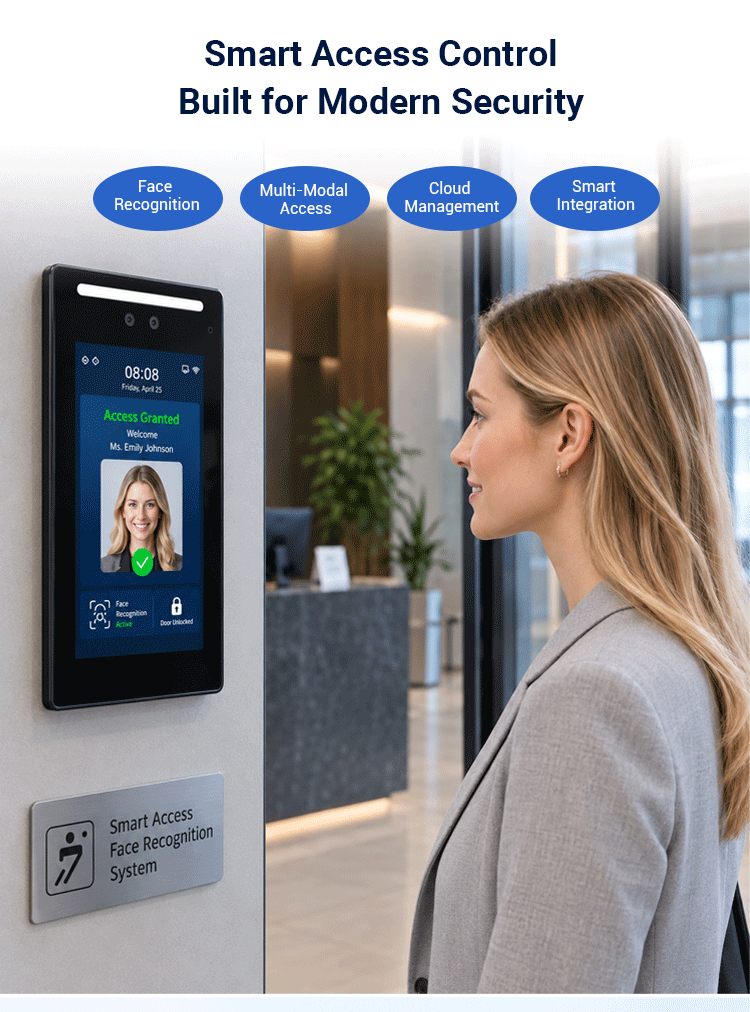
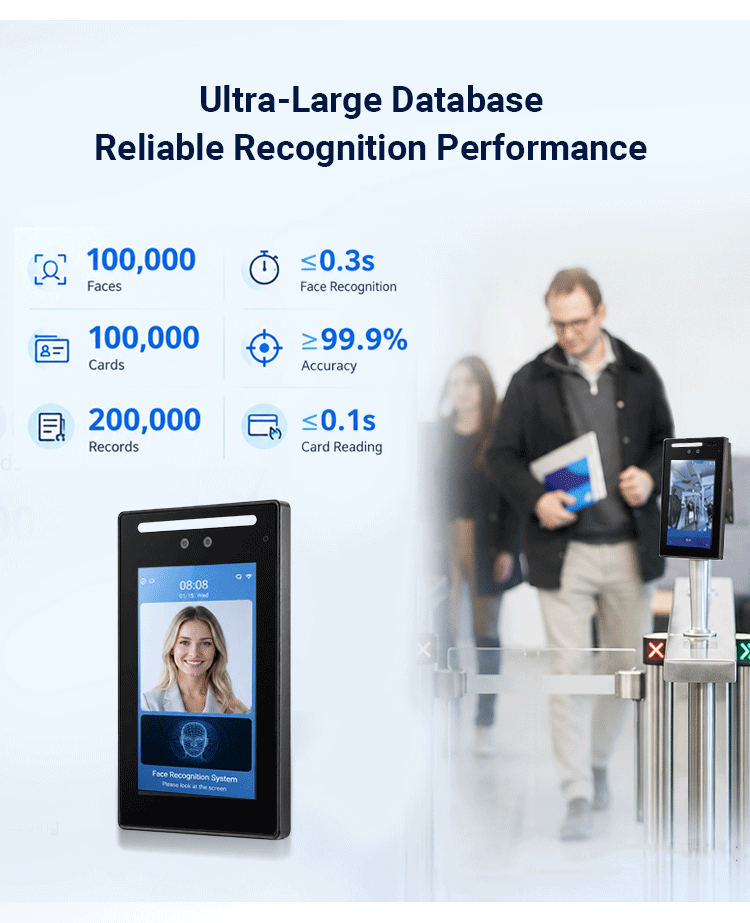
The NY-M7007A8 is designed for access environments where a small user database is not enough. It supports up to 100,000 face records, 100,000 card records, and 200,000 local access records, making it suitable for larger residential, commercial, and enterprise deployments. Face recognition speed is specified at ≤0.3 seconds per recognition, with a stated accuracy of ≥99.9%, while card reading response is ≤0.1 seconds. The terminal uses a 2MP binocular camera with visible-light and near-infrared lenses, providing the imaging hardware required for facial authentication. The combination of local data capacity and fast recognition helps reduce waiting at frequently used entrances while keeping access records available locally.
Multi-Modal Access Authentication
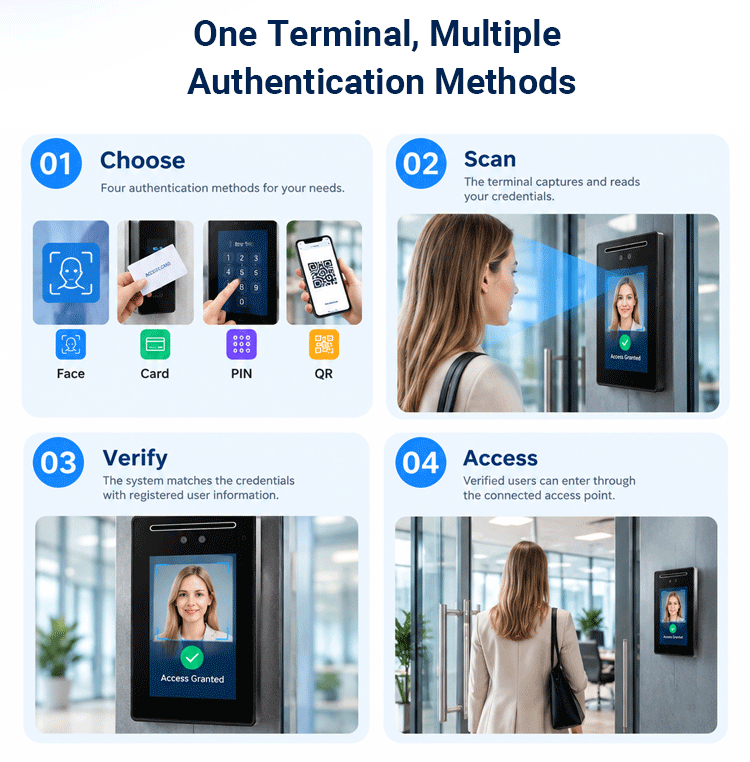
Access requirements can vary between employees, residents, visitors, and restricted areas. The terminal supports facial recognition, M1/CPU cards, passwords, online and offline QR codes, WeChat Mini Programs, mobile apps, and optional Bluetooth access, allowing different authentication methods to be used within the same device. It also supports combined verification including face + card, face + password, card + password, and face + card + password. This makes the terminal adaptable to different access policies without requiring separate hardware for every authentication method. Temporary visitor permissions can also be configured according to access scope and validity period, which is useful for property management, office reception areas, and other environments where temporary access needs to be controlled.
Dynamic Liveness Detection with Binocular Imaging
Facial recognition in an access control environment needs to distinguish between a live person and an attempted presentation attack. The NY-M7007A8 uses a binocular camera system with visible-light and near-infrared lenses, combined with dynamic liveness detection and anti-backlight processing. The system is designed to help prevent unauthorized access attempts using photos, videos, or similar presentation methods. The camera module also supports automatic exposure, strong-light suppression, and backlight compensation, which are relevant when the terminal is installed near entrances where lighting conditions can change throughout the day. These imaging and recognition features provide the technical foundation for more consistent identity verification in everyday access scenarios.
Integrated Video Intercom & Door Access
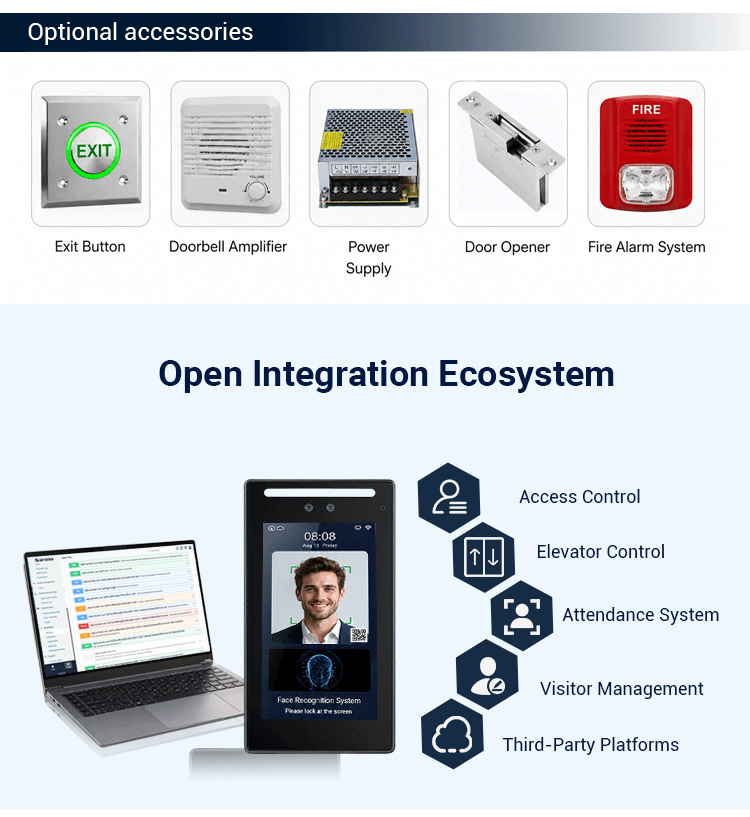
Access control and visitor communication are often handled at the same entrance. The NY-M7007A8 integrates video intercom, microphone, speaker, doorbell, and door-opening interfaces, allowing visitor communication and access authorization to be handled through the same terminal. The audio module supports an external microphone interface and 8Ω 1W speaker output, while the device also supports external doorbells, amplifiers, exit buttons, and dry-contact signals. This makes the terminal suitable for entrances where visitors need to communicate with residents, reception staff, or property management before access is granted. By combining these functions in one device, installation teams can simplify the entrance hardware arrangement while maintaining the required access and communication connections.
Elevator Access Control Integration
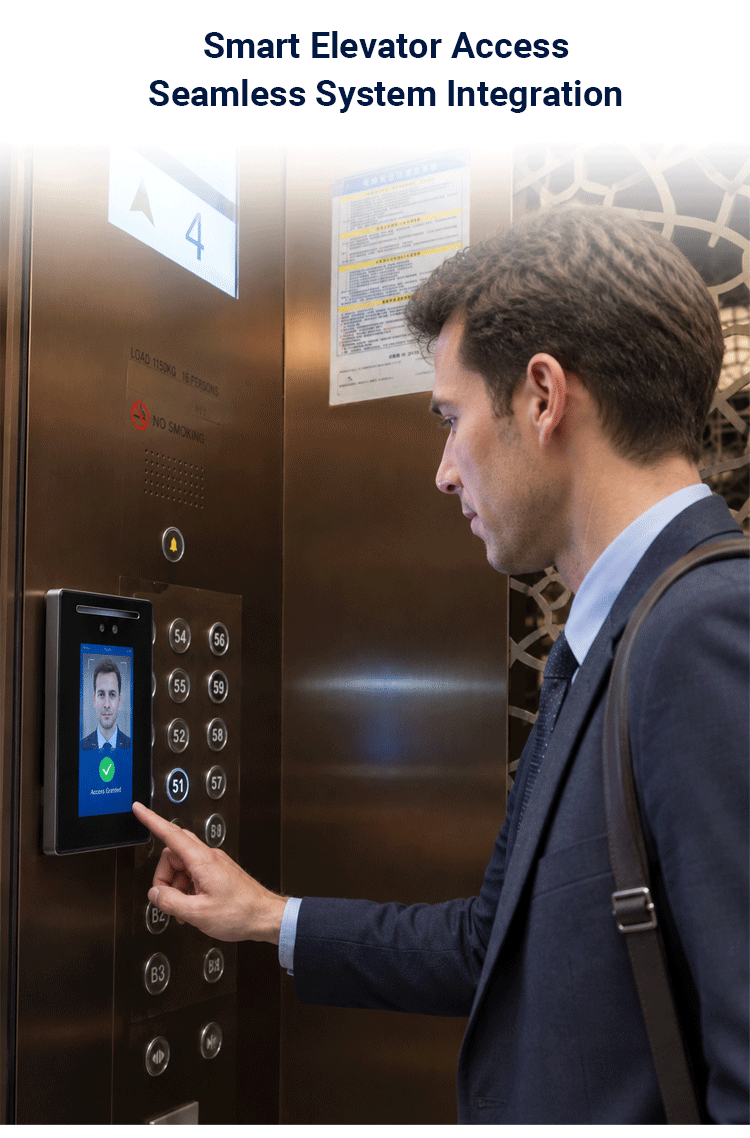
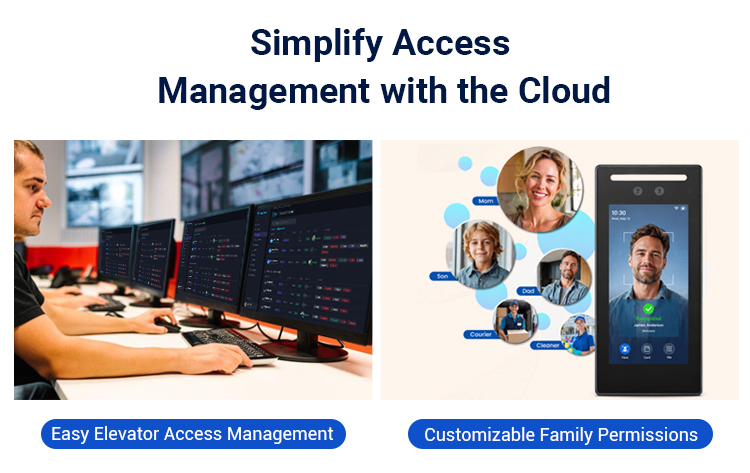
For multi-story buildings, access control may need to continue beyond the main entrance. The NY-M7007A8 supports inside- and outside-elevator installation and can synchronize elevator access permissions with intercom-triggered operations within ≤500 ms. Authorized users can be assigned access to designated floors, while automatic return to the starting floor is also supported. This allows the access terminal to participate in a broader building access workflow rather than controlling only the entrance door. The function is particularly relevant to residential buildings, office properties, hotels, and other projects where user permissions need to cover both entry points and elevator access. For project planners, this reduces the need to treat elevator authorization as a completely separate access control layer.
Open Connectivity for Existing Access Control Systems
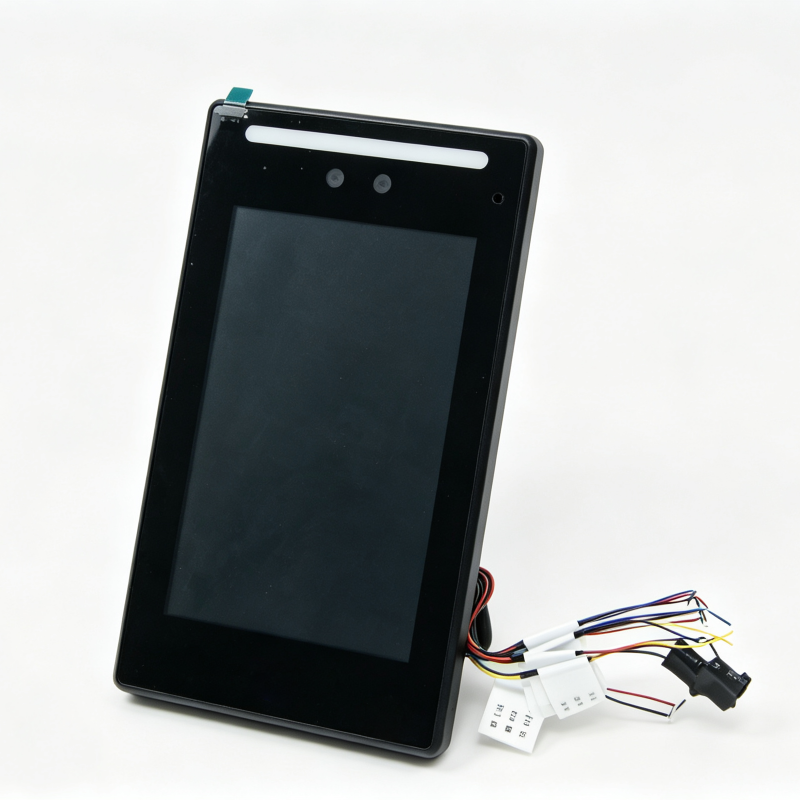
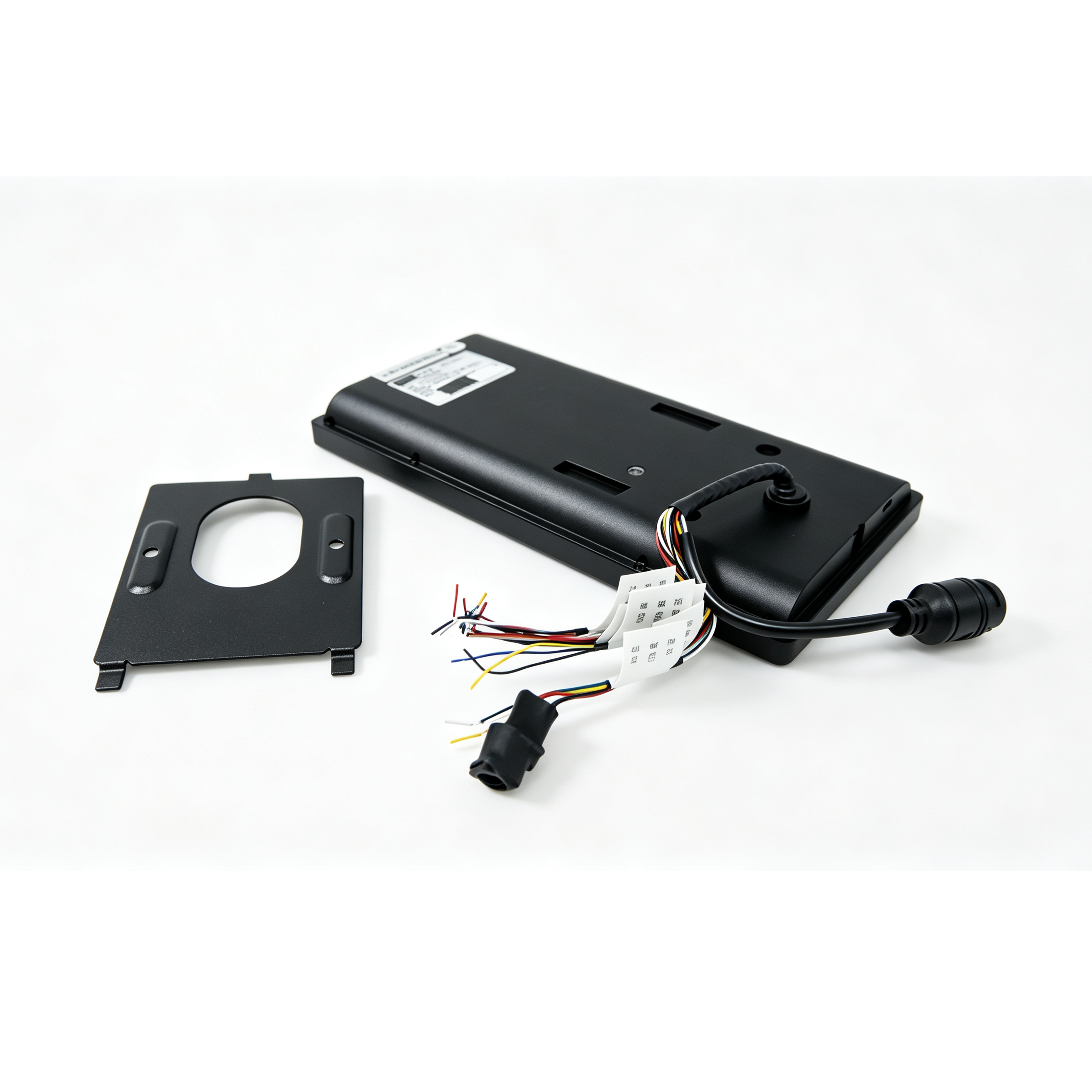
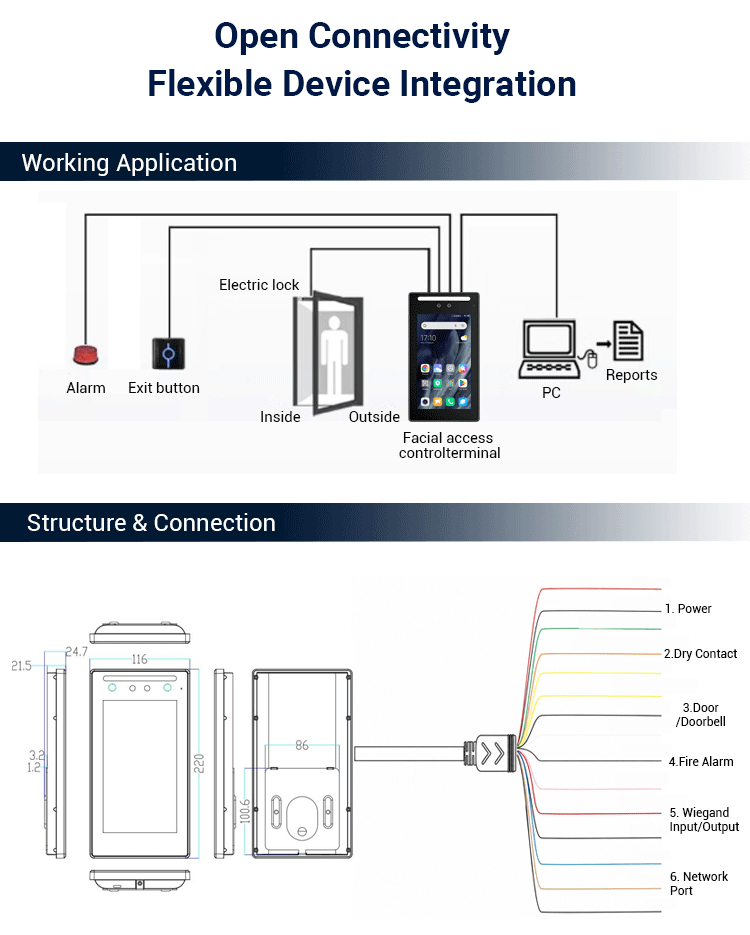
Access control projects often include existing controllers, locks, alarm equipment, doorbells, or other third-party devices. The NY-M7007A8 provides MQTT and TCP communication, Wiegand input/output, dry-contact switching, doorbell connections, exit-button interfaces, and controller communication through supported protocols. An expandable wireless communication module can also be used for wireless connection with third-party door operators. These interfaces give integrators more flexibility when incorporating the terminal into an existing system architecture. Instead of requiring every project to follow the same hardware configuration, the available communication and I/O interfaces allow the device to be evaluated according to the actual equipment already installed at the site.
SDK and Cloud-Based Permission Management
The NY-M7007A8 provides a full-featured SDK, development documentation, protocol white paper, and testing tools for projects that require software-level integration or customized functions. The product specification defines an integration cycle of ≤7 days and technical support response within ≤4 hours. On the management side, the terminal supports integration with smart property management systems and provides cloud-based electronic map visualization, encrypted transmission, multi-format parsing, precise mapping, and offline caching. Independent device management spaces and hierarchical permissions can also be configured for property owners and family members. Together, these capabilities provide both a hardware interface layer and a management layer for projects that need access devices to connect with broader property or building management workflows.
Commercial-Grade Hardware for Entrance Deployment
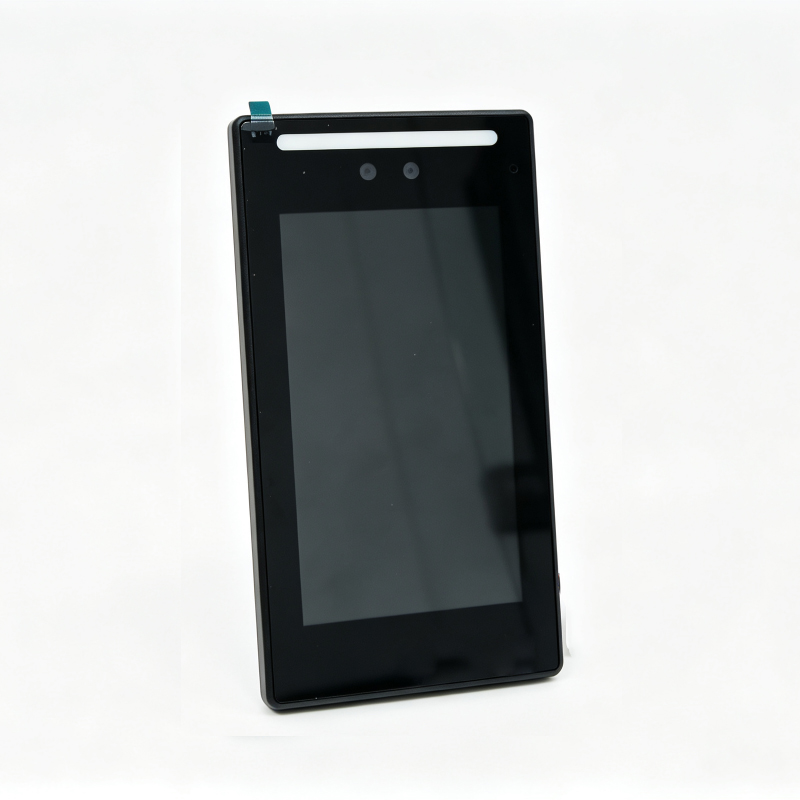
The terminal combines a 7-inch 600 × 1024 capacitive touchscreen, Android 11.0, a quad-core processor up to 2.0 GHz, 4GB RAM, and 32GB internal storage. Its 2MP binocular camera system supports visible-light and near-infrared imaging, while automatic exposure, strong-light suppression, and backlight compensation help address changing entrance lighting conditions. The device measures 220 × 116 × 22.5 mm and uses DC 12V/3A power, with maximum power consumption of 6W. An IP65 protection rating and an operating temperature range of -20°C to +60°C provide clear hardware specifications for project evaluation. Optional Wi-Fi and 4G configurations are available for applicable model variants.
OEM/ODM Support for Project-Specific Requirements
For projects requiring customized hardware or private-label deployment, CNHOPESTAR can provide OEM/ODM support around the existing terminal platform. Depending on project requirements, customization can be evaluated across areas such as product branding, software functions, system integration, communication requirements, and deployment configuration. The Android platform, SDK, development documentation, and open communication interfaces provide a technical foundation for adapting the terminal to specific project environments. This approach allows buyers to start from an established access control hardware platform rather than developing the complete terminal architecture from the beginning, while the final customization scope can be defined according to application requirements, project volume, and integration needs.
FAQ
Does the device support OEM/ODM customization?
Yes. OEM and ODM customization services are available for bulk projects and industry-specific applications. Customers can request customization options such as product appearance and logo branding, user interface design, software feature modifications, additional functional modules, and third-party platform integration. The manufacturer can provide tailored solutions based on specific requirements from smart communities, enterprise campuses, commercial buildings, and other vertical markets.
Does the device support secondary development and system integration?
Yes. The device supports secondary development through SDK access, technical documentation, and communication protocols. System integrators can customize applications and integrate the terminal with existing platforms, including property management systems, attendance management platforms, access control software, and other industry-specific solutions.
What network connectivity options are available?
The standard model supports wired network connectivity through an RJ45 Ethernet interface. Optional Wi-Fi and 4G modules are available for projects that require flexible deployment in different network environments. These connectivity options allow the terminal to adapt to various installation scenarios, including residential communities, commercial buildings, and remote sites.
Can the device be used for enterprise attendance management?
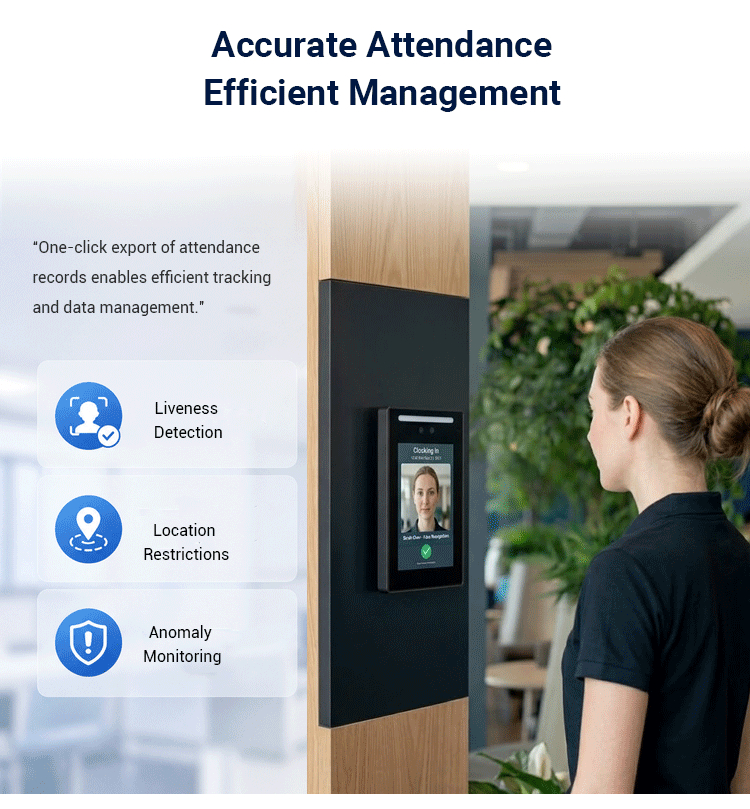
Yes. The device supports smart attendance applications through contactless face recognition. With features such as live face detection, location-based restrictions, and abnormal attendance monitoring, it helps reduce unauthorized check-ins and improves workforce management efficiency. Attendance data can also be exported for further analysis and reporting.
What purchasing support is available for bulk orders?
For enterprise customers, system integrators, and channel partners, the manufacturer provides support throughout the procurement process, including product configuration confirmation, technical documentation, customization services, project assistance, and after-sales support. MOQ, lead time, and customization requirements can be discussed based on project volume and application needs.
What technical support does the manufacturer provide?
The manufacturer provides technical support throughout product selection, system integration, and deployment stages. Support includes product specification consultation, SDK and protocol assistance, integration guidance, project commissioning support, and customized development services. This helps customers accelerate deployment and ensure reliable operation in different application environments.