 86 13392660243
 hope17@cnhopestar.com
 whatsapp
CnHopestar Curved Gaming Monitor Lineup: 27 inch, 32 inch and 34 inch OEM Configuration Guide
 2026-09-03
 cnhopestar
For gaming monitor distributors and private-label brands, choosing an OEM monitor is not simply a matter of selecting a 27-inch, 32-inch or 34-inch screen. The more important decision is how different configurations should work together as a product portfolio.
Panel technology, resolution, refresh rate and screen format all influence where a monitor sits in the market. For OEM buyers, this also determines whether a model works better as a core product, a larger-screen upgrade or a differentiated premium SKU.
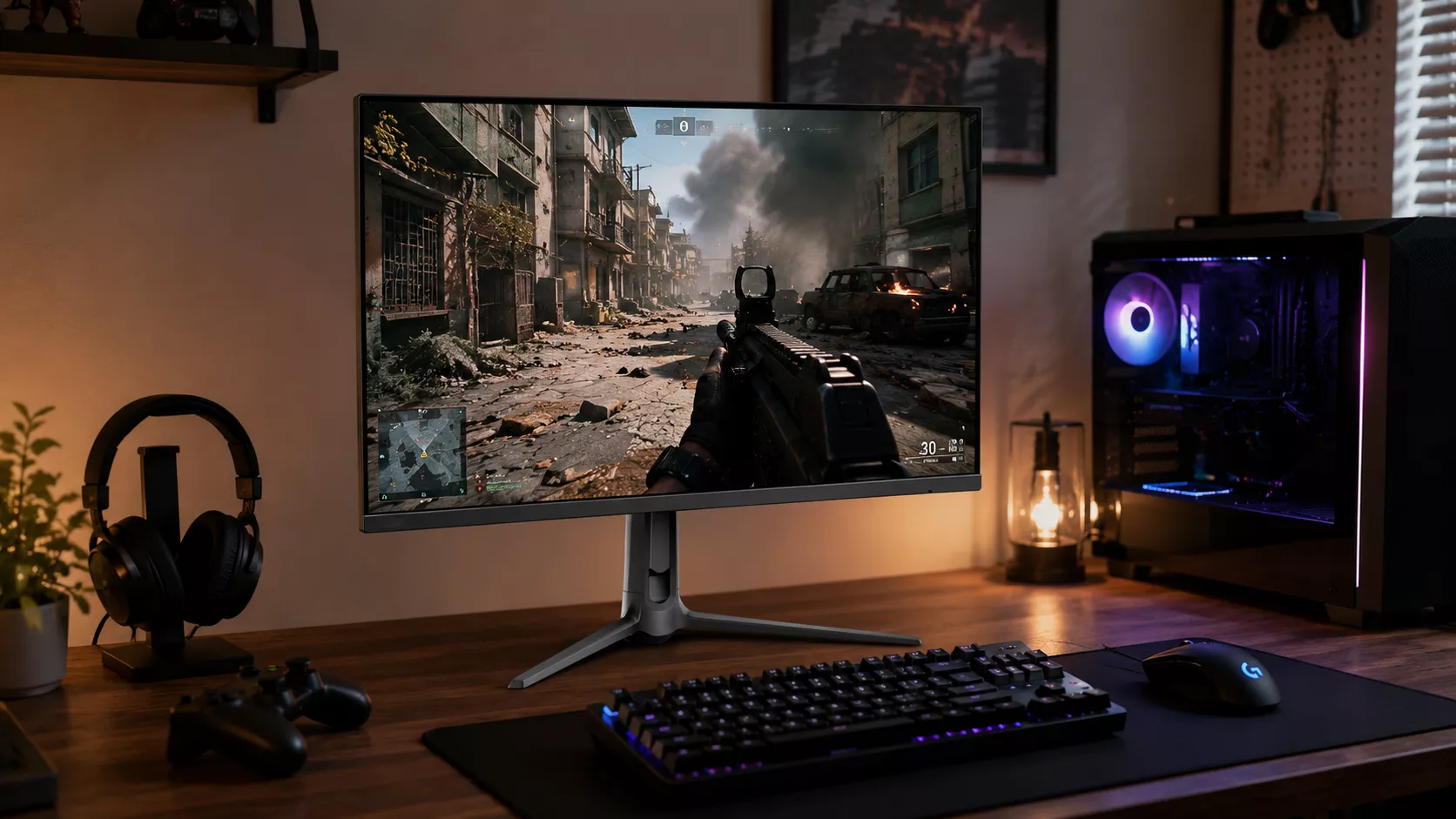
The gaming monitor market provides a strong reason to look at this question now. Omdia estimates global gaming monitor shipments at around 41 million units in 2025 and forecasts approximately 43 million in 2026. Gaming monitors represented 31.1% of global desktop monitor shipments in 2025.
The opportunity is therefore not simply to offer more screen sizes. It is to understand which configurations give each size a clear role in the lineup.
Why 27-inch QHD Works Well as the Core Gaming Monitor
If a gaming monitor lineup needs one configuration to serve as its starting point, 27-inch QHD with IPS and around 165–180Hz is a particularly balanced choice.
The reason is less about any single specification and more about how these specifications work together. A 27-inch screen is large enough to provide a noticeable step up from smaller displays without becoming difficult to accommodate on a typical gaming desk. QHD gives the display more image detail than FHD, while IPS fits a broad range of gaming and general desktop use. A refresh rate around 165–180Hz adds the responsiveness expected from a modern gaming monitor without pushing the product entirely into the enthusiast segment.
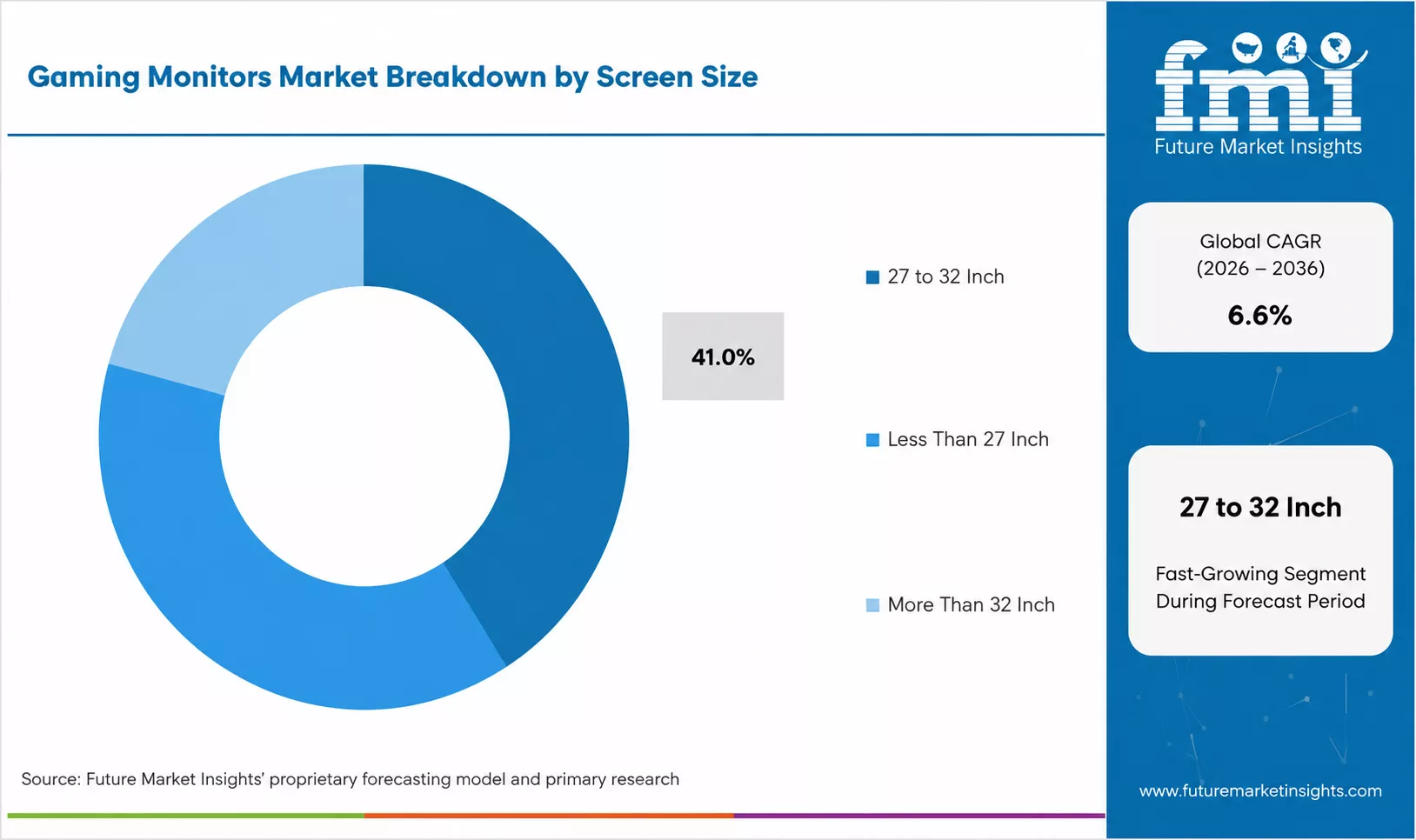
This balance is also reflected in the broader market structure. Future Market Insights places the combined 27–32-inch range at about 41% of the gaming monitor market in 2026, with IPS accounting for approximately 46% by panel technology.
For OEM product planning, the important point is what this combination allows a brand to do. 27-inch QHD is flexible enough to sit at the center of a product range. It can be positioned as a mainstream high-refresh gaming monitor, while the same size and resolution can also extend upward into 240Hz or OLED configurations for a higher-end tier. Omdia's research specifically identifies 27-inch QHD 240Hz OLED as gaining traction, illustrating how the format can span different performance levels.
That makes 27-inch QHD particularly useful as a portfolio anchor rather than simply a popular screen size.
Within the current CnHopestar lineup, HP-MX277GQ is a representative model aligned with this general direction.
Why 32-inch QHD Curved Serves a Different Gaming Need
Moving from 27 inches to 32 inches changes more than the physical dimensions of the monitor. The larger screen creates a different viewing experience, particularly when the display is curved.
A 32-inch QHD VA curved monitor around 165–180Hz is well suited to buyers who want gaming to feel more immersive rather than simply more responsive. The additional screen area makes games with large environments, detailed scenes or long viewing distances more engaging, while the curved format helps keep a large display visually cohesive from a typical desktop viewing position.
This is particularly relevant for RPG, open-world, racing and simulation games, where the size of the game world matters as much as reaction speed. It can also appeal to users who use the same monitor for gaming, media consumption and general desktop work and therefore prefer a larger canvas.
QHD is important to this positioning. At 32 inches, keeping the resolution at QHD provides a practical balance between image detail and graphics workload. Moving immediately to 4K raises the pixel density and premium positioning, but also increases the performance requirements of the gaming system and the cost of the display.
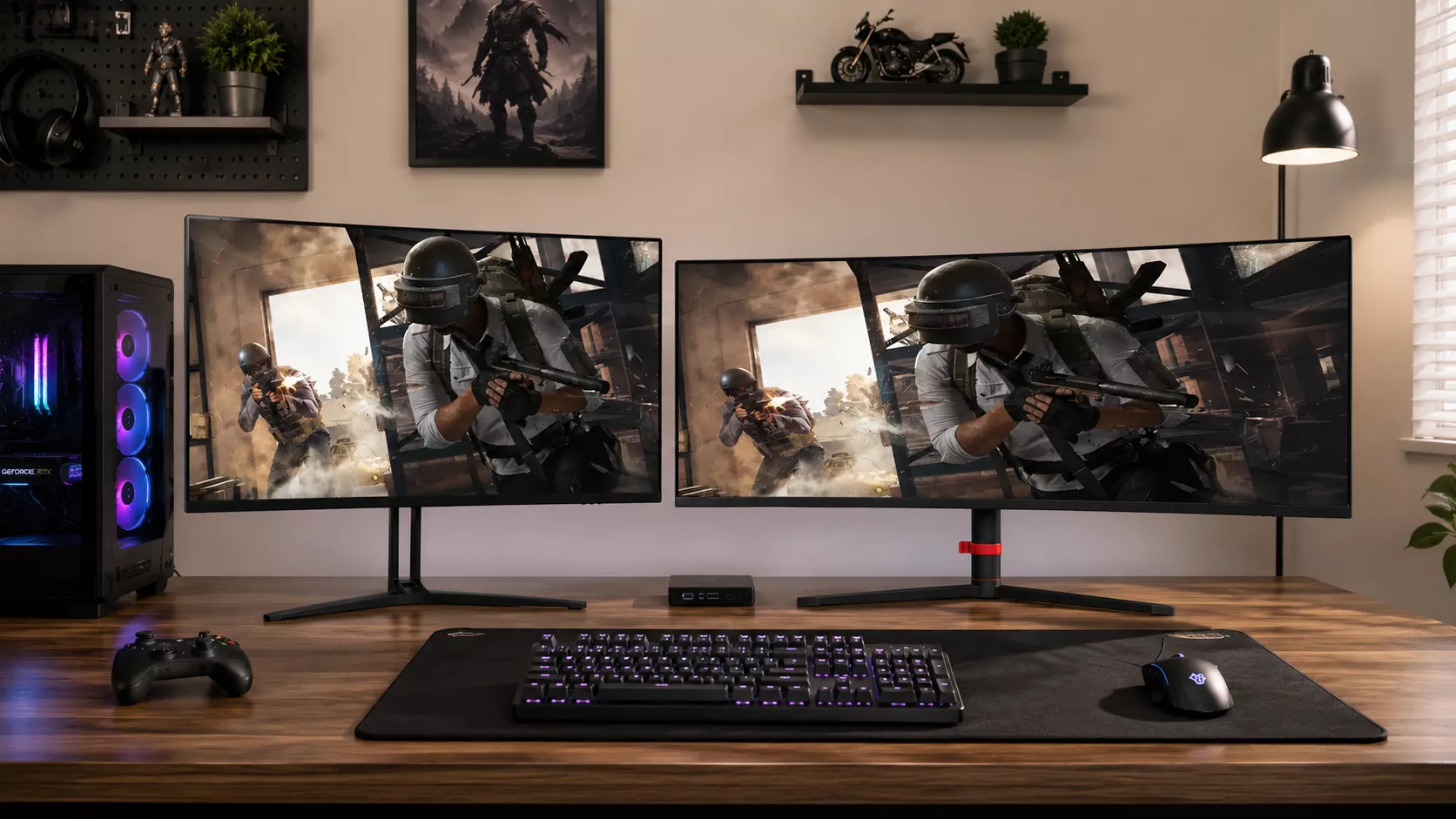
This gives 32-inch QHD curved a useful position between mainstream 27-inch gaming monitors and premium 32-inch 4K displays. Established monitor portfolios already use this product structure, with 32-inch QHD curved high-refresh models positioned alongside higher-end 4K OLED products.
For an OEM lineup, that makes the 32-inch configuration valuable when the target customer wants more screen presence and immersion without making 4K the entry requirement.
Within the current CnHopestar product selection, HP-Y3201FQ represents this larger-screen gaming direction.
Why 34-inch UWQHD Is Better for Differentiation
The move from 32-inch to 34-inch is different again because the defining feature is no longer simply screen size. It is the 21:9 ultrawide format.
A 34-inch UWQHD curved monitor around 165Hz gives users substantially more horizontal workspace and a wider field of view. That makes it particularly attractive for games where peripheral vision and a broad visual environment matter, including racing, flight simulation, strategy and open-world titles.
The format also has value outside gaming. The wider desktop can accommodate multiple application windows side by side, making an ultrawide monitor relevant to users who combine gaming with content creation, productivity or other desktop workloads.
This gives 34-inch UWQHD a different reason to exist in an OEM lineup. It does not have to compete directly with a 27-inch or 32-inch 16:9 monitor on conventional gaming specifications. Its differentiation comes from the format itself.
That positioning is already visible in commercial gaming-monitor portfolios, where 34-inch UWQHD curved models sit alongside both conventional 16:9 displays and higher-end ultrawide OLED products.
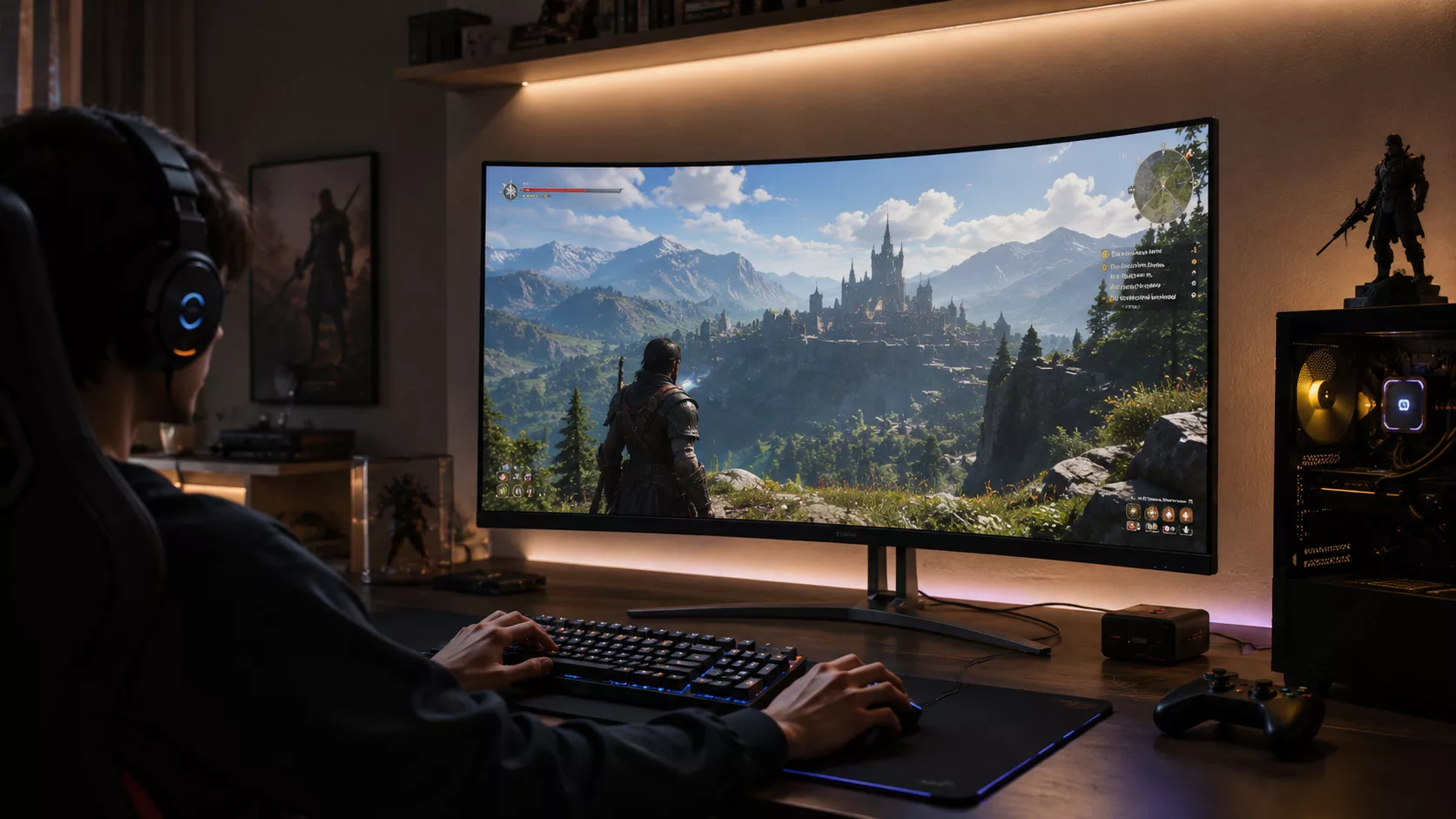
For a private-label brand, this makes 34-inch particularly useful when the goal is to expand beyond standard gaming-monitor formats and offer a product with a visibly different user experience.
The current CnHopestar selection includes HP-MX3401F6 and HP-DQ3401F6 as representative products for this ultrawide direction.
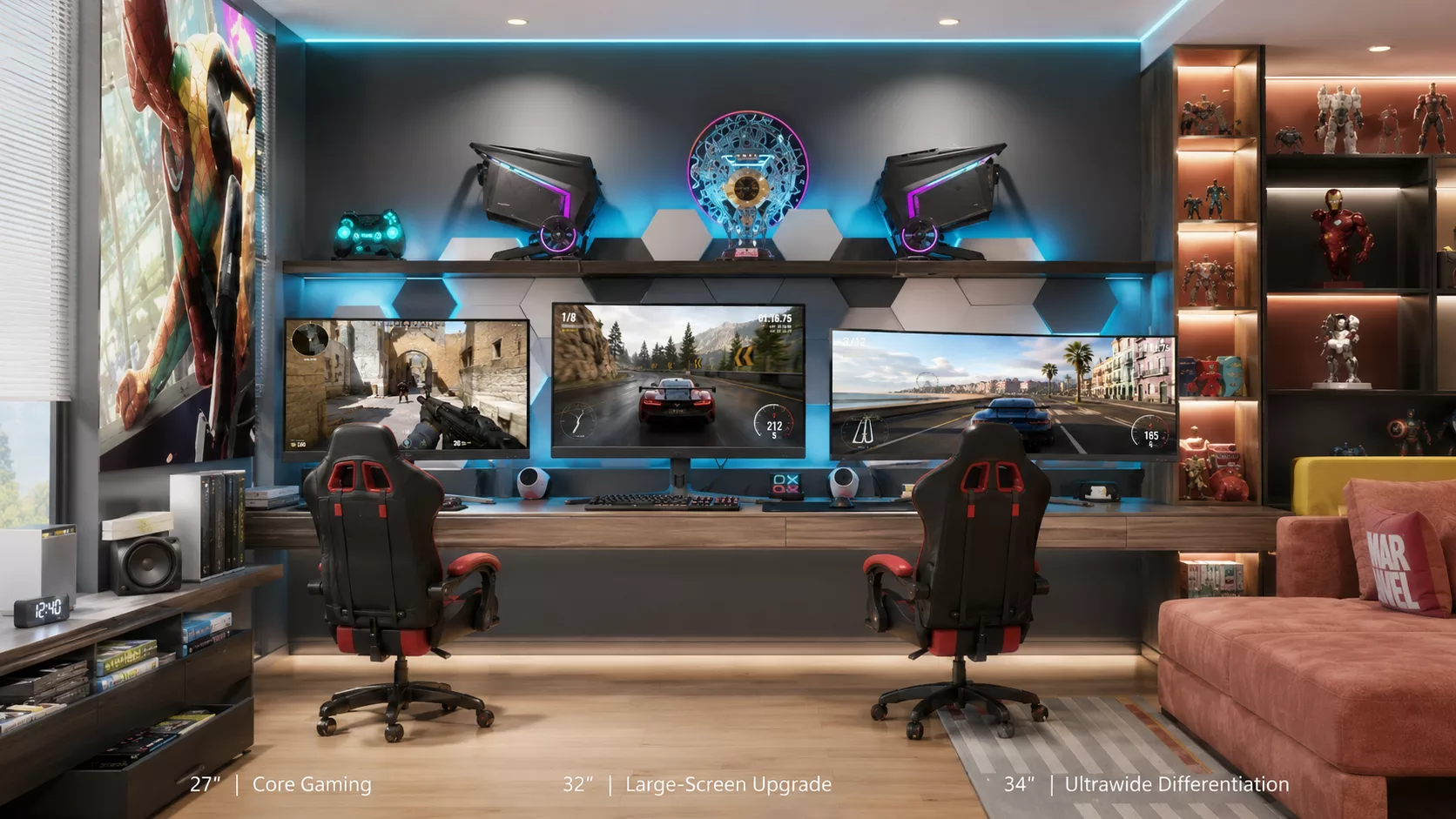
The Three Sizes Represent Different Product Positions
The value of these three sizes becomes clearer when they are viewed as different user experiences rather than three versions of the same monitor.
| Size | Reference configuration | Primary value | Typical positioning |
|---|---|---|---|
| 27" | QHD + IPS + ~165–180Hz | Balance of image quality, responsiveness and desk compatibility | Core gaming SKU |
| 32" | QHD + VA + Curved + ~165–180Hz | Larger image and stronger immersion | Large-screen upgrade |
| 34" | UWQHD + Curved + ~165Hz | Wider field of view and 21:9 experience | Ultrawide differentiation |
This also explains why a three-size lineup can be more useful than simply offering more models.
The Three Sizes Work Better as a Portfolio
Looking at the configurations together gives each size a more defined commercial role.
| Product role | Reference configuration | Portfolio purpose |
|---|---|---|
| Core | 27" QHD + IPS + ~165–180Hz | Mainstream gaming platform |
| Second core | 32" QHD + VA + Curved + ~165–180Hz | Large-screen upgrade |
| Differentiation | 34" UWQHD + Curved + ~165Hz | Ultrawide proposition |
| Premium extension | 27" QHD + OLED + 240Hz+ | High-end gaming |
| Premium extension | 32" 4K + high refresh | Large-screen premium |
This structure is more useful than simply listing every available monitor model.
The objective is to give each configuration a reason to exist.
The 27-inch model provides the broadest foundation. The 32-inch model changes the physical experience while maintaining a relatively accessible QHD position. The 34-inch model introduces a different aspect ratio and therefore a different user proposition.
Premium products then extend the range upward.
Where OLED, 240Hz+ and 4K Fit
The growth of premium display technology is one of the clearest changes in the gaming monitor market.
TrendForce estimates OLED monitor shipments reached approximately 2.735 million units in 2025, representing 92% year-over-year growth. Its research also highlights the growing price-performance appeal of 27-inch QHD 240Hz OLED monitors.
This suggests that OLED and very high refresh rates deserve a place in an expanding gaming-monitor portfolio.
Their role, however, is different from a mainstream LCD platform.
OLED, 240Hz+ and 4K high-refresh configurations raise the performance ceiling of a product range. They are particularly relevant when a brand is targeting higher retail prices, enthusiast gamers or a premium visual identity.
For a broader OEM portfolio, that makes them better suited to premium extensions than as the only foundation of the lineup.
This is also why 27-inch QHD remains strategically interesting. The same basic size and resolution can support a mainstream IPS product at one price level and a QHD OLED 240Hz+ product at a much higher one.
Why OEM MOQ Depends on the Configuration
Screen size alone is not enough to determine OEM MOQ.
A 27-inch standard model and a customized 27-inch model may require very different production arrangements. The same applies to 32-inch and 34-inch products.
The difference comes from how much of the requested product already exists as a standard configuration.
A buyer selecting an existing model is working within an established product structure. Changing the panel, resolution, refresh rate or interface can move the requirement into a different configuration. Adding a private-label logo, customized packaging, housing color, new tooling or other special requirements introduces another layer of production complexity.
Quantity matters at the same time.
A small initial order using an existing configuration is fundamentally different from a small order that requires new tooling and several customized components.
The customer's target price also changes the equation. If the target price is fixed, the practical configuration may need to be adjusted to achieve it. If the configuration is fixed, quantity or customization requirements may become the variables that need to move.
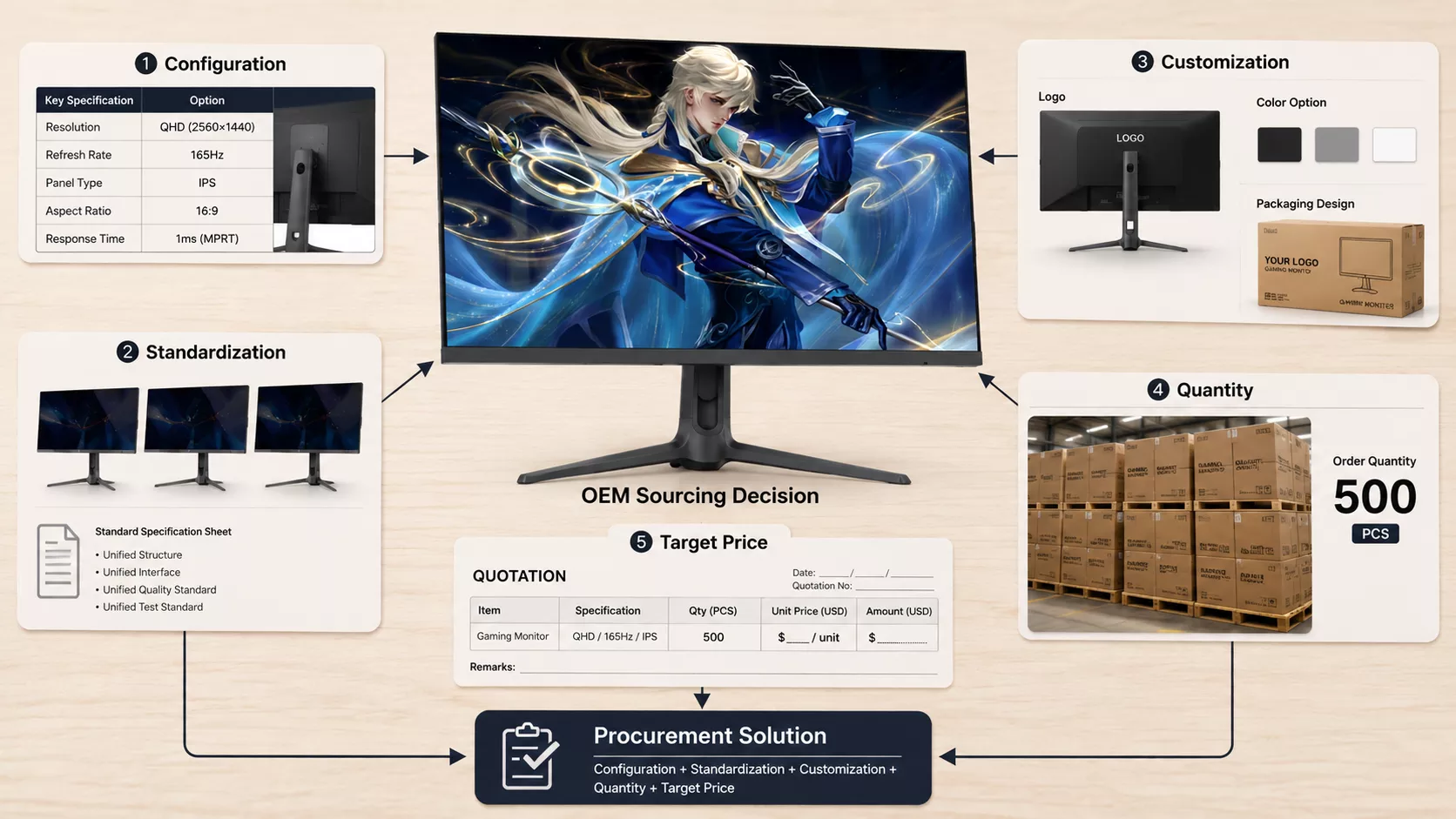
That is why OEM monitor sourcing is better understood as:
Configuration + Standardization + Customization + Quantity + Target Price
rather than:
Screen Size + MOQ
The result is a more flexible procurement process. Instead of treating MOQ as a fixed property of a 27-inch or 32-inch category, buyers can evaluate the specific product architecture they actually need.
What This Means for Product-Line Planning
The strongest OEM monitor lineup is not necessarily the one with the most specifications.
It is the one in which every major configuration has a clear market role.
For a broadly positioned gaming monitor portfolio, 27-inch QHD IPS around 165–180Hz provides the strongest starting platform because it combines an important screen-size range with QHD resolution and an established high-refresh LCD category.
32-inch QHD curved around 165–180Hz adds a larger-screen proposition and creates a natural step up from the core product.
34-inch UWQHD curved around 165Hz introduces an ultrawide format that gives the portfolio a different reason to buy.
OLED, 240Hz+ and 4K high-refresh products can then extend the range into premium gaming.
The more important lesson for OEM buyers is that these configurations should not be evaluated independently. Their value comes from how they fit together as a product portfolio.
A well-structured lineup does not simply offer more models. It creates clear differences in screen size, performance, user experience and market positioning—while allowing the buyer to choose how much of that range is appropriate for the market being served.
If you are evaluating different gaming monitor configurations for a new private-label lineup, CnHopestar can help you compare suitable screen sizes, panel technologies, resolutions and refresh rates based on your target market and product positioning.
Contact us to discuss your requirements and explore which configurations may fit your product strategy.
 From Channel Inquiry to Product Requirement: What B2B Tablet Requests Reveal